Life Without Water: Warm Salty Worlds ✛
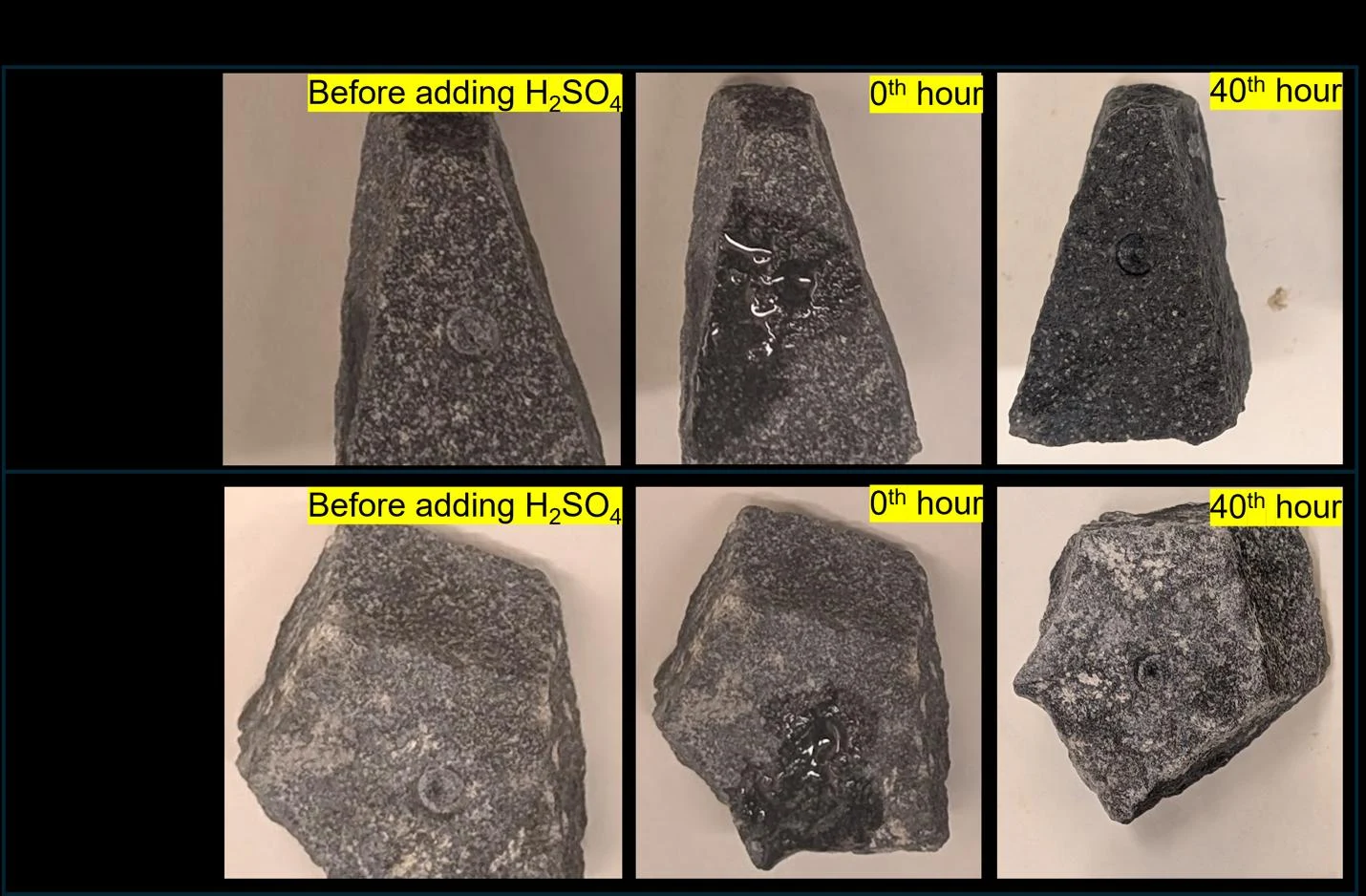
On a hot frying pan, water sizzles and vanishes in an instant, while a thick salty paste remains pooled. That same stubborn liquid, molten salt, could be the basis of life on hot planets where water boiled away long ago. These ionic liquids don’t dry out in heat up to 200°C and can persist for centuries.
In the lab, this ‘liquid salt’ was made from sulfuric acid (volcanic emissions) and organic gunk based on carbon. The mixture was heated, the acid dissolved the organics, and after evaporation a thick, stable liquid remained. The process works even at 27°C — a hot day’s temperature.
This medium dissolves enzymes and speeds up biochemical reactions. So life might lurk not only in watery worlds, but also on dry, scorching planets where the chemistry of ionic liquids simmers in craters.
You can make liquid salt for biochemistry in just a few days from volcanic acid and carbon-rich gunk — common ingredients on many planets.