The Secret to Flawless Neon Ice for Quantum Computers express
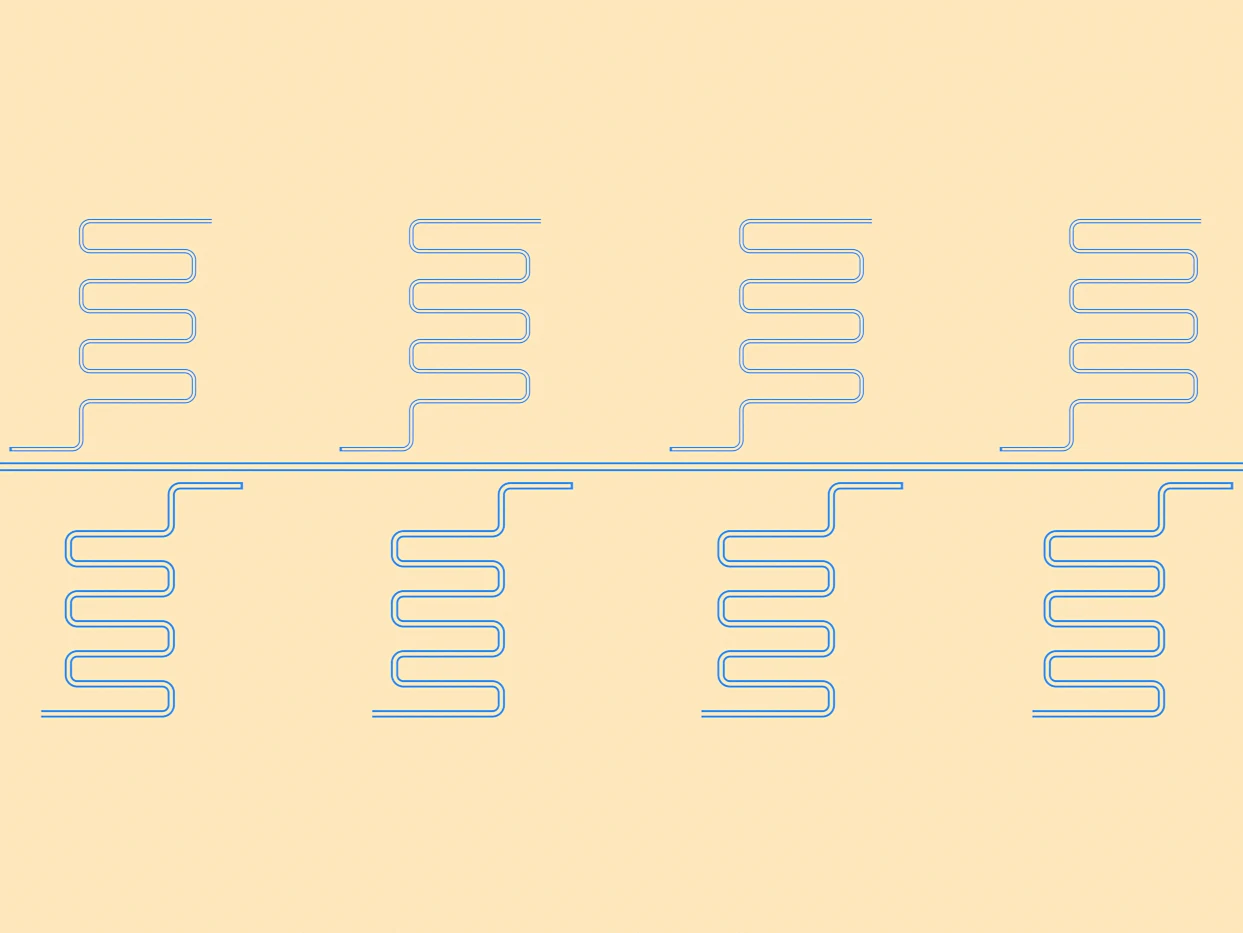
For electron-based quantum bits to work flawlessly, they need a substrate with perfect smoothness — like a mirror that doesn't distort the reflection. Solid neon for this role is grown at temperatures near absolute zero, and its quality is checked with microwave resonators: they scan the film, picking up the slightest imperfections via frequency shift — a method akin to spectroscopy.
A surprising trick is not cooling, but a brief warm-up to -261°C immediately after deposition. At that moment, the neon atoms rearrange themselves like melted snowflakes, then freeze into an almost perfect crystal structure with low disorder. The process is monitored on the fly and needs no extra steps, enabling chips where electrons levitate over 'mirror ice' without disturbance.
Neon freezes at -248°C, just 25 degrees above absolute zero — the point where thermal motion ceases. It's in this icy silence that the foundation for quantum computing is laid.
In science fiction, noble gases are the backdrop for exotic technologies; here, neon becomes an ultra-pure stage for quantum bits.