Tiny Seesaw Cooled Almost to Absolute Zero express
A tiny seesaw weighing 1.5 nanograms oscillates not from the wind, but from the heat of its surroundings. Physicists nearly stopped it by cooling it to 0.006 degrees above absolute zero. First, the seesaw was magnetized, then the field was smoothly removed: this technique, nuclear demagnetization, drew out its energy like a sponge soaks up water. Unlike conventional cooling with liquid helium, no active intervention was needed.
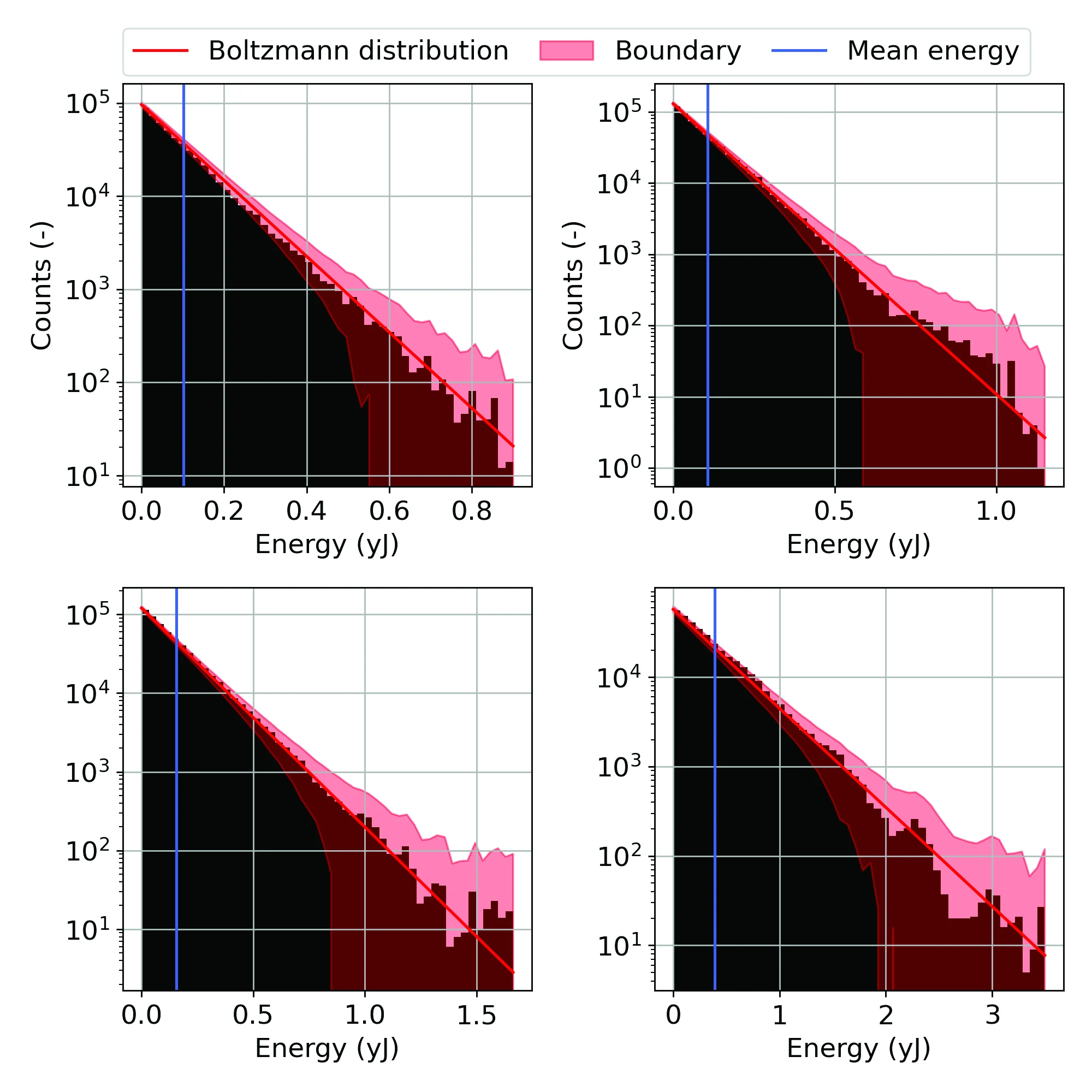
Laser spectroscopy tracked displacements down to thousandths of an atom. Analysis showed the motion followed a thermal distribution: entropy (a measure of disorder) decreased, but didn't zero out.
This experiment is a stepping stone to even colder seesaws. In the future, they could become sensors for gravitational waves or probes for dark matter. And they'll help test quantum mechanics on objects that are almost visible to the naked eye.
This seesaw is colder than the cosmic microwave background left over from the Big Bang (which is 2.7 K). In fact, it's one of the coldest artificial macroscopic bodies ever created.
Cooling an almost visible object to the edge of the quantum world is like trying to lock Schrödinger's cat in metal and silicon, where vibrations slow to a single particle's shiver.