Quantum Chip Outperforms Supercomputers: Two Hours vs. Years express
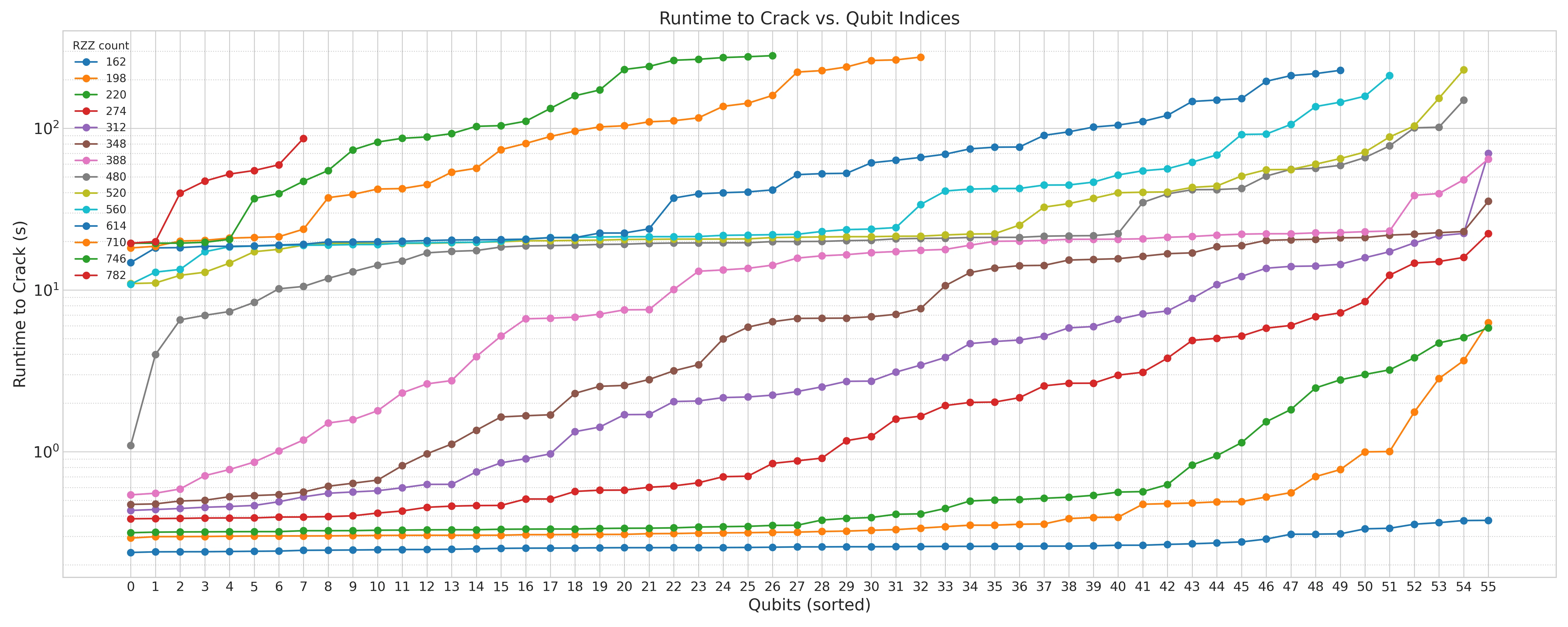
The task resembles a giant maze with a single exit among billions of dead ends. A conventional computer checks each corridor step by step — taking centuries. A quantum processor launches a wave that seeps through all paths at once. The correct route echoes back, amplifying, and the answer is found in hours. That’s exactly how the “peak” circuits worked in the new experiment.
With each additional fork, the quantum chip’s advantage grows not just quickly, but frighteningly so, like the expansion of the Universe accelerates galaxies. Surprisingly, the quantum device’s answer is probabilistic: it guesses the path with high accuracy but doesn’t guarantee it. Yet that accuracy is enough to make classical verification take years. In the experiment, the most complex circuit had 2,000 forks. H2 found the exit in two hours; supercomputers would need years.
The most complex circuit involved 2,000 operations, like an orchestra of 2,000 instruments playing in unison.