Chimeric Materials: Magnetic Expulsion Without Superconductivity express
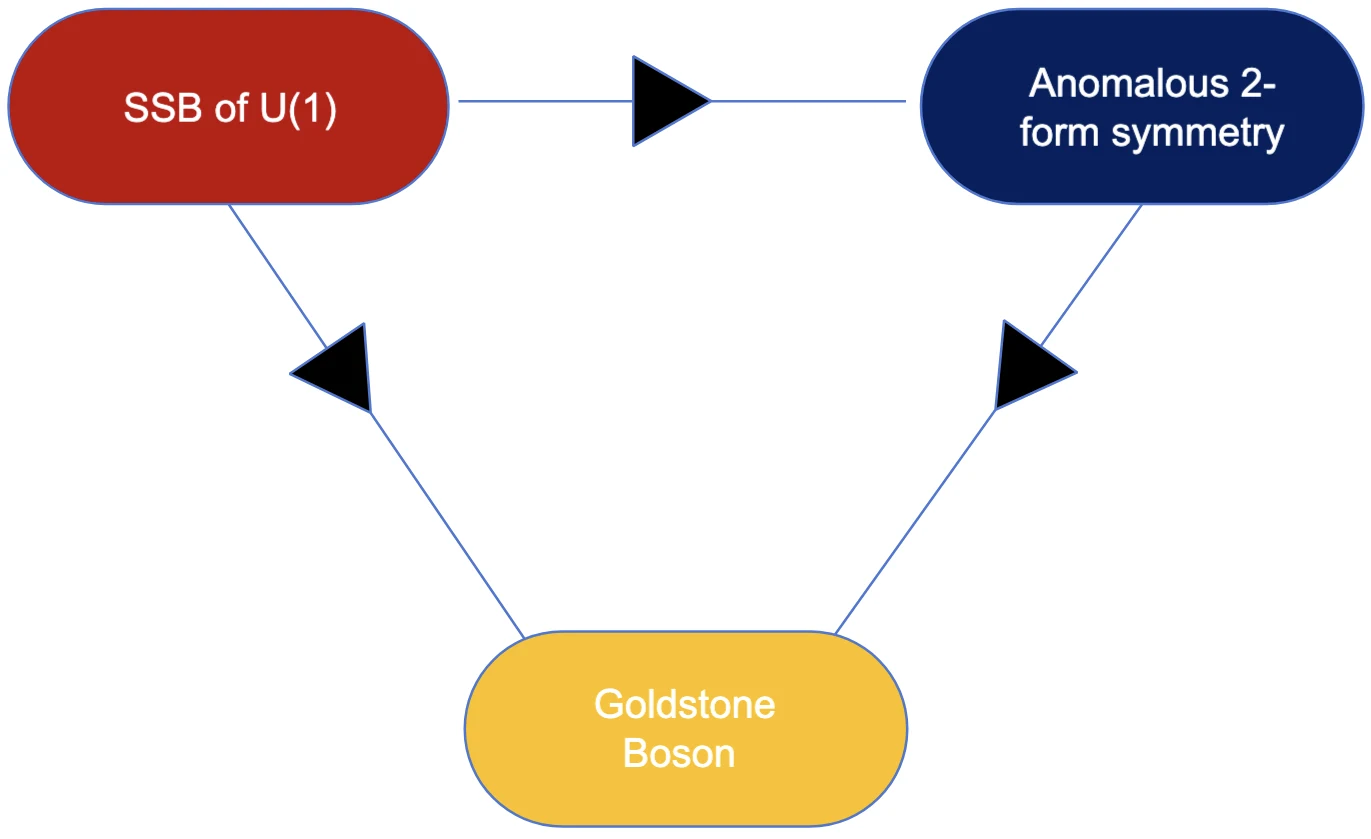
Matter is like a house. In some rooms, there is the strict order of a crystal, where every atom is in its place. In others, the chaos of superfluid helium, where atoms forget about their neighbors. A superconductor, according to Bardeen (John Bardeen), is an ideal living room with no doors: the magnetic field is not allowed in. But the new chimeric state breaks the usual layout. In one room, order and disorder now mix, and the lock on the door works selectively. It turns out that you can make an ordinary metal or even ceramics expel a magnetic field — no superconducting cold is needed for this.
Such materials are described by a theory that goes beyond the standard model, as if an architect canceled the building codes. Scientists propose creating them from a network of Josephson junctions — tiny keys to the doors that control the current. By changing the connection scheme, you can turn the magnetic shield on and off. But the most unexpected trick is that the same network can be both a conductor and an insulator: it all depends on whether you bring a magnet or simply pass a current. This challenges entropy — the measure of disorder, which here seems to be playing tricks.
The Meissner effect so impressed scientists when it was discovered in 1933 that they dubbed it 'magnetic flux expulsion', as if the field were an uninvited guest being kicked out.
In 'Star Trek', materials that change properties on command often appear. Chimeric states could be the beginning of such programmable matter.