A Nearby Supernova: Recipe for Rocky Planets express
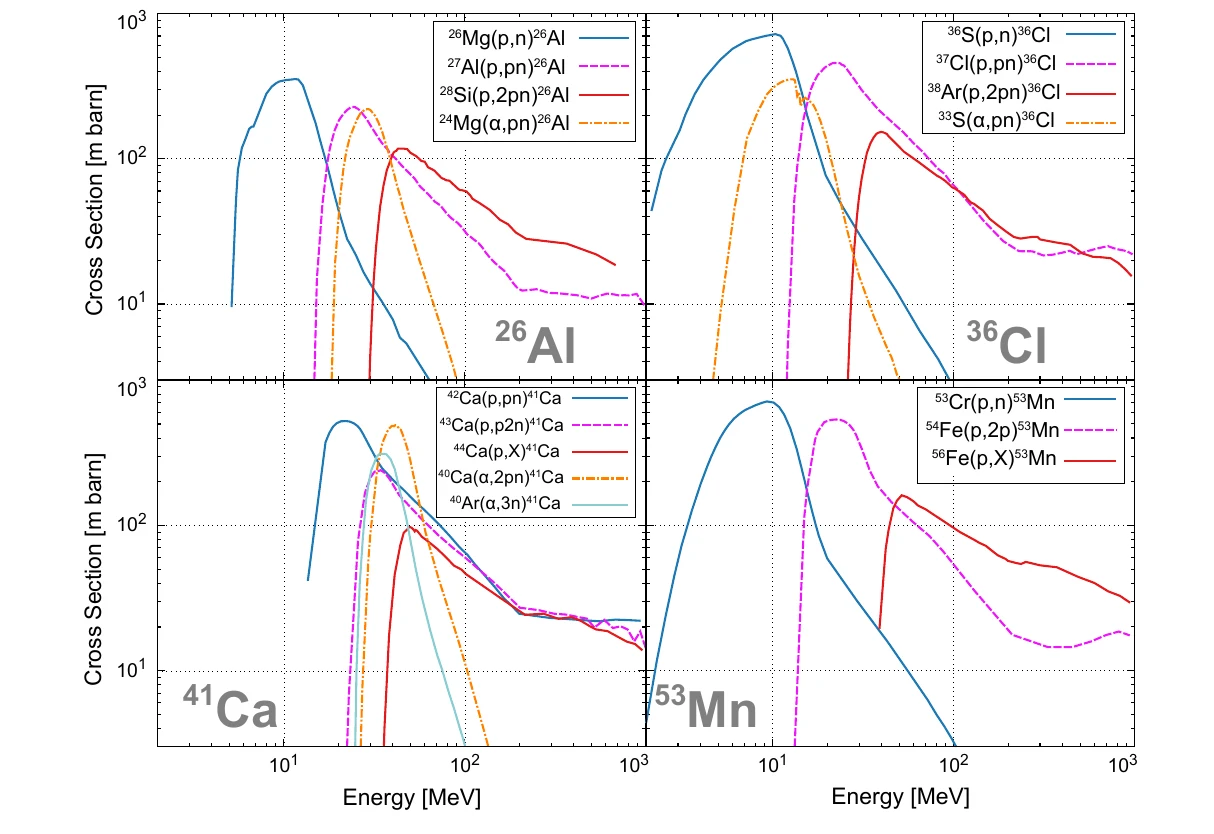
Just as yeast transforms flour into airy dough, a radioactive 'seasoning' from a supernova helps mold a rocky planet. But the dosage must be perfect: too much and the disk of cosmic dust gets blown away; too little and the planet remains loose and cold. Previously, it was thought that the explosion had to be so close that it would inevitably destroy the embryonic planetary system. However, new research has revealed an elegant trick: its invisible rays pierce the disk, collide with matter, and fabricate radioactive aluminum-26 right on the spot. At a distance of one parsec (about the distance to Proxima Centauri), the disk is not destroyed but instead receives exactly the amount of aluminum-26 found in meteorites. Calculations show that in typical stellar nurseries, at least one supernova is located at this distance. This means the recipe for forming exoplanets like Earth is not a cosmic fluke: it's the rule. The heat from aluminum-26, which has a half-life of just 717,000 years, melts the interior and separates the planet into core and crust. Perhaps this is exactly how our Earth came to be.
The heat from aluminum-26 melted the first asteroids, giving them a core and crust, like miniature Earths long before planets were born.