Rogue Planet Gave Itself Away with Warped Light express
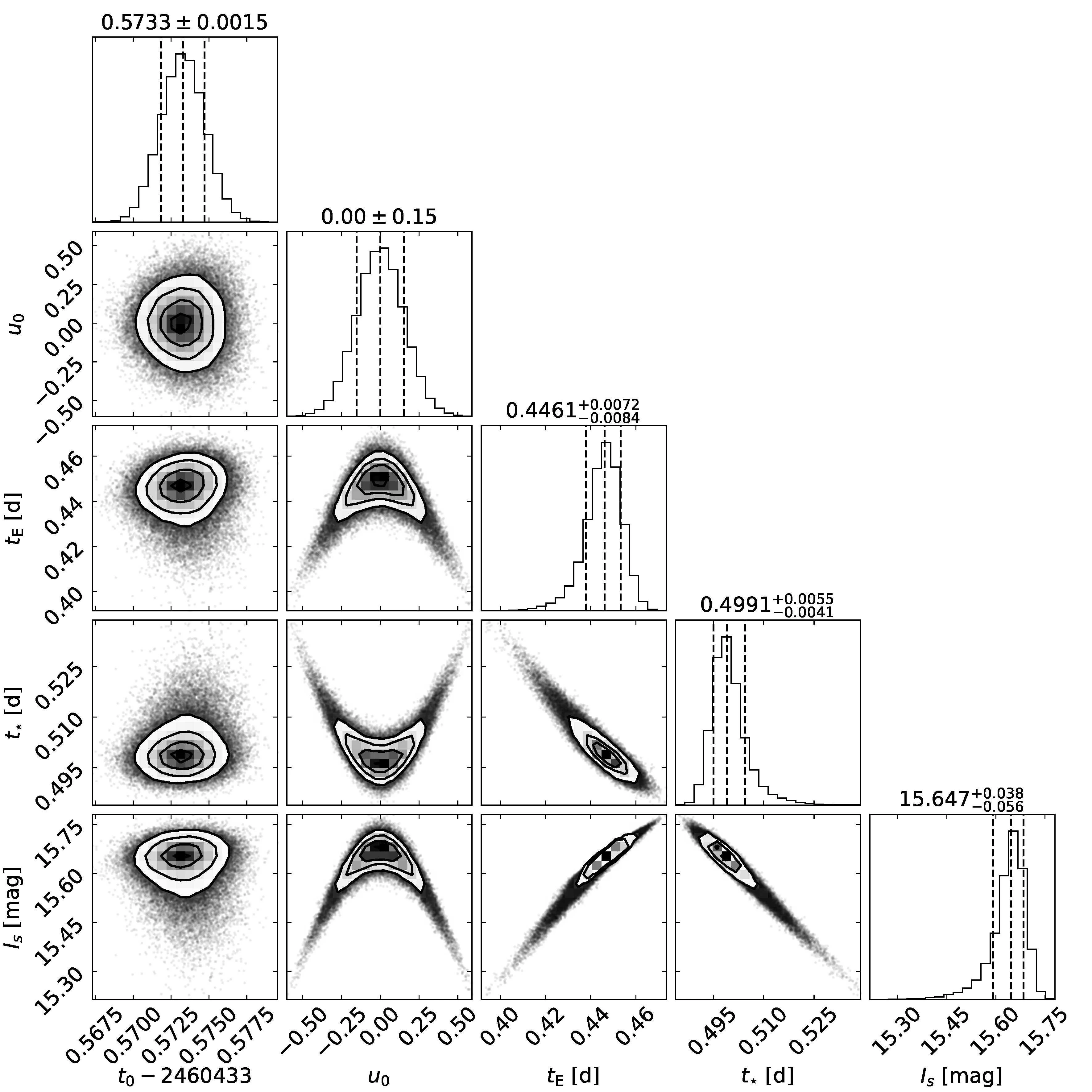
The lone planet KMT-2024-BLG-0816, one of many free-floating planets, was discovered when its gravity acted like a magnifying glass for a few hours. Passing in front of a distant star, the invisible body warped space like a glass marble, and boosted the background light. Thanks to a rare coincidence, the planet passed so close to the line of sight that telescopes could observe how the brightness of different parts of the stellar disk changed — the lens slid across its surface.
A faint stray light added to the mystery: it doesn't look like starlight, but could be the ghost of its former host. If confirmed, for the first time a lone planet will be seen together with its parent star — albeit separated by trillions of kilometers. Subsequent brightness measurements in different colors will test this hypothesis.
Gravitational lensing was predicted by Einstein back in 1936, but he thought it impossible to detect.
In science fiction, rogue planets are icy worlds holding secrets of ancient civilizations, like in Asimov's novel 'Nemesis'.