Black Holes as Ghost Particle Accelerators express
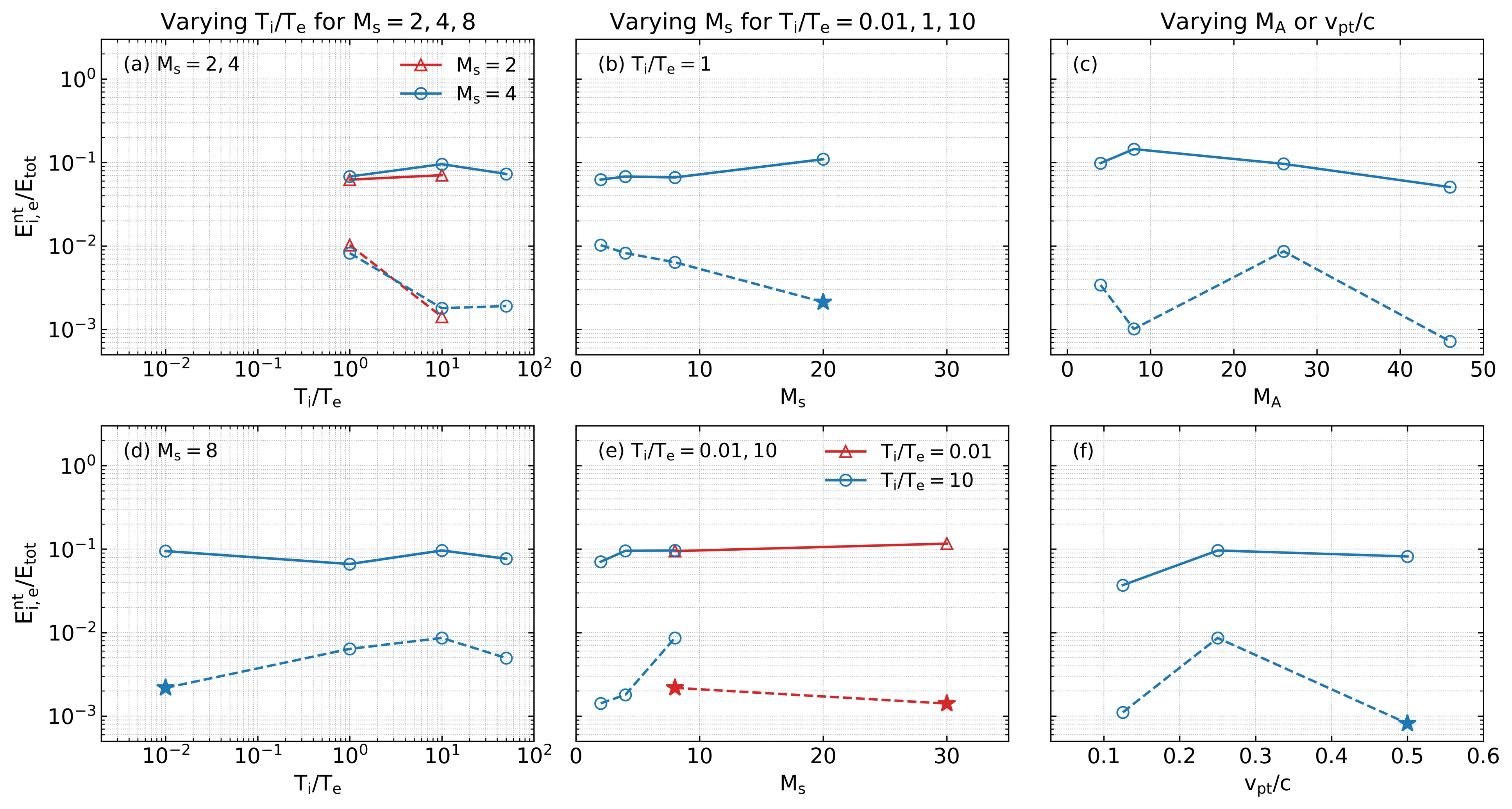
A new study confirms: shock waves in plasma around supermassive black holes at the cores of galaxies act like ocean swells, shoving protons to near-light speeds. Even a weak wave passes on a tenth of its energy, like a gentle surf launching a surfer into space. Bouncing off magnetic fields, protons gain a million times the energy of the Large Hadron Collider, and then spawn neutrinos — particles that ghost through planets like they’re nothing.
But why do we spot neutrinos from galaxy NGC 1068, yet no gamma rays? The gamma radiation born in the wave drowns in plasma depths, like sunlight in murky water. The black hole’s corona blocks light, but to neutrinos it’s barely a ripple. The accelerator plays favorites: electrons hardly get a kick, while protons rip loose as the lead racers.
Cosmic shock waves can accelerate particles to energies a million times beyond the reach of the Large Hadron Collider, the most powerful accelerator on Earth.
In Stanisław Lem’s novel “His Master’s Voice,” neutrinos are the perfect medium for interstellar communication because they can pass through anything.