Time Crystal Matryoshkas: A New Layer of Order express
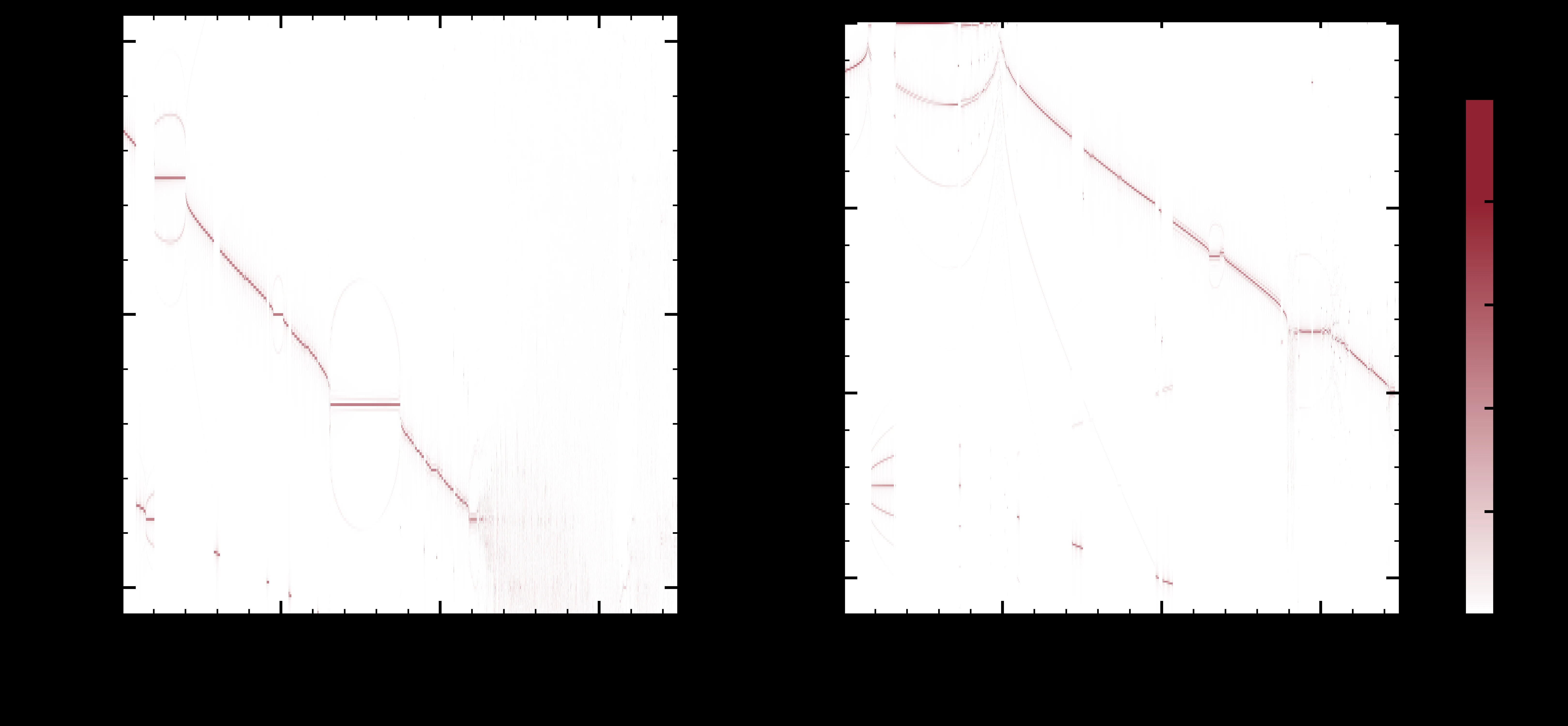
Time crystals are matter that 'ticks' even at rest, like eternal clocks predicted by Frank Wilczek. In a new experiment, physicists coupled two types: discrete (rigid rhythm, like a metronome) and continuous (tempo changes, like a spinning top). The result was a hierarchy resembling a matryoshka doll: the continuous crystal adopted the rhythm of the discrete one, and an additional temporal layer emerged that wasn't built-in originally. Usually, disorder grows in systems (entropy), but here a pattern emerged on its own — a principle familiar from the Standard Model of physics and the 'ticking' of pulsars. Remarkably, only five ytterbium ions at ultracold temperatures were enough for this. Such 'matryoshka' rhythms promise ultra-precise clocks and quantum memory based on perpetually oscillating atoms.
The first time crystal (2017) consisted of just five ytterbium ions cooled nearly to absolute zero — a tiny ensemble that gave rise to eternal motion.
In Hamilton's novel 'Stolen Fire,' time crystals serve as an energy source for interstellar ships, and in Hannu Rajaniemi's 'The Quantum Thief,' they are used as currency and memory storage.