Printing with Light: a Million Voxels per Second express
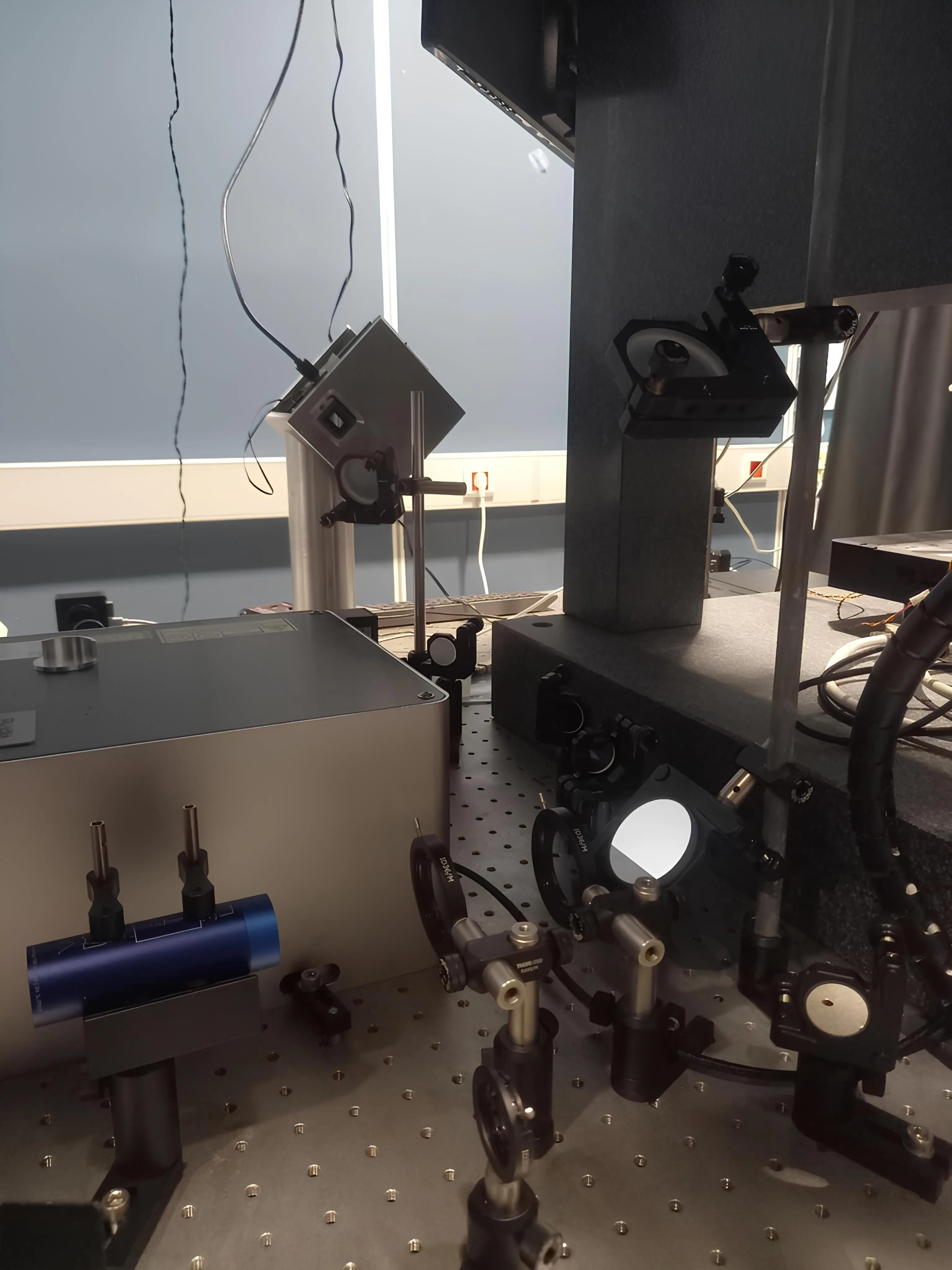
A typical 3D printer squeezes out plastic like a pastry chef piping cream from a bag. Here, instead of plastic, it's light. A laser beam draws in liquid resin, making it solidify at precise points. This creates parts too small to see without a microscope.
Until now, such printers were slow: the beam crawled across the surface like a pen on paper. The new machine changes the game. It projects an entire image at once, like a movie projector. The light is split into millions of tiny mirrors, and every spot solidifies simultaneously. Speed soars to a million voxels per second — imagine filling an entire room with Rubik's Cubes in one evening.
To make the resin solidify instantly, they chose a special catalyst. It prevents neighboring spots from fusing due to heat, just as oil in a pan keeps pancakes from sticking together. So the pattern comes out sharp and the details are even.
The printer has already printed a honeycomb-like lattice and a forest of microscopic pillars. Such structures are needed in optics: they control light better than conventional lenses. Now they can be made quickly and cheaply, like printing photos on an inkjet printer.
The printing precision is 400 nanometers—200 times thinner than a human hair.