A Hydrogen Trap for Dark Matter express
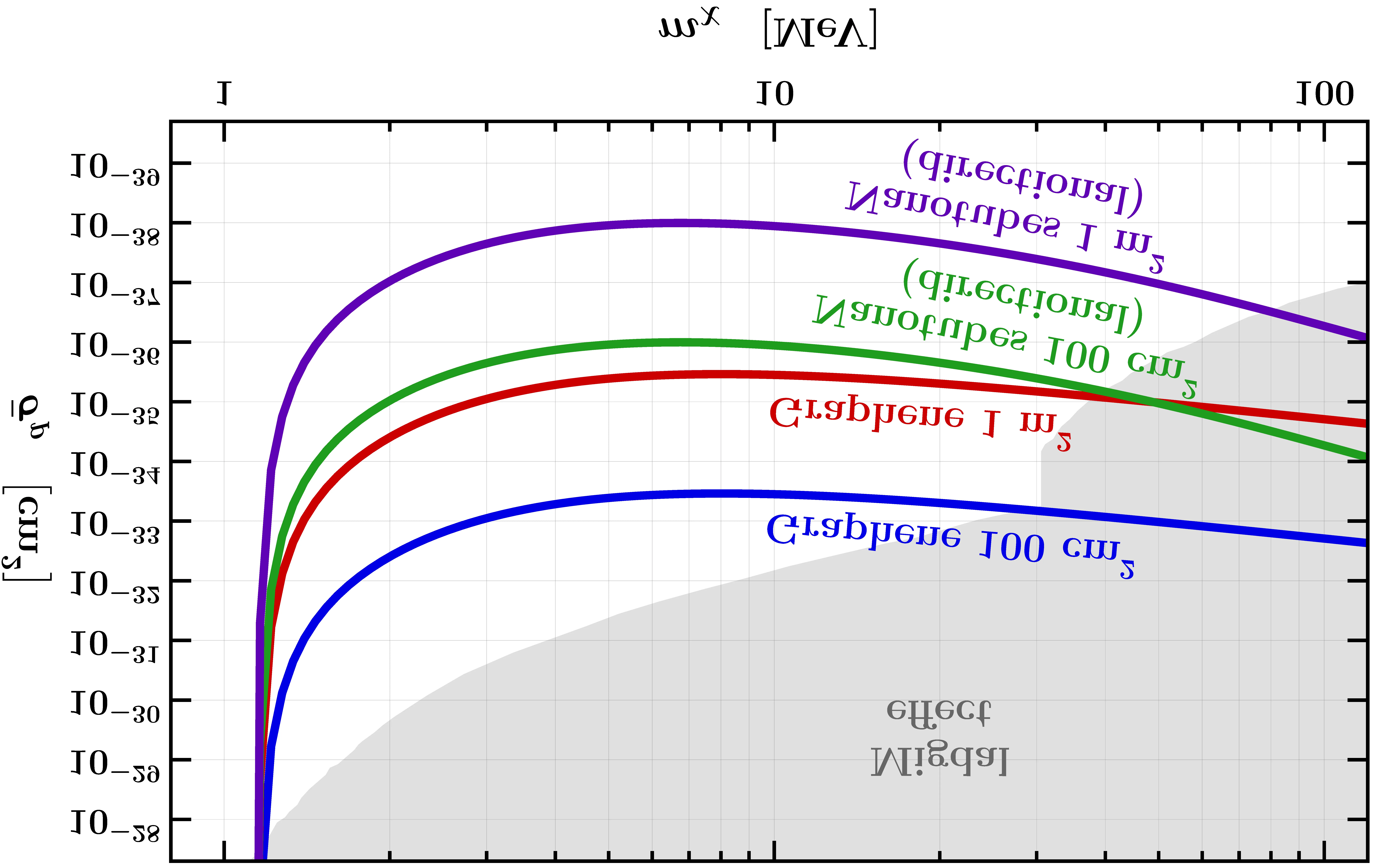
Dark matter is invisible, but you can catch it on the rebound. Hydrogen embedded in a carbon film acts like a billiard ball: when a dark matter particle hits it, the proton flies out. That ejection is the signal you're looking for.
The authors of the idea suggest coating a detector with hydrogenated carbon — a material that can already be made in thin layers. A dark matter particle with a mass between 1 and 100 MeV (about the mass of a few electrons) strikes a hydrogen nucleus and knocks out a proton with almost no energy loss. This process is called quasi-elastic: as if a billiard ball barely slowed down after the hit, while the second ball shot forward.
A detector based on such a film is simple and cheap. It doesn't require cryogenic temperatures or complex electronics. Moreover, the ejected proton preserves the direction of the impact: this allows distinguishing a dark matter signal from random noise, just as an echo in the mountains helps locate the source of a sound.
Hydrogen is the most abundant element in the universe, and it's perfect for catching dark matter because its nucleus, a single proton, is easy to knock out even with a weak hit.