The Pulse of Binary Stars express
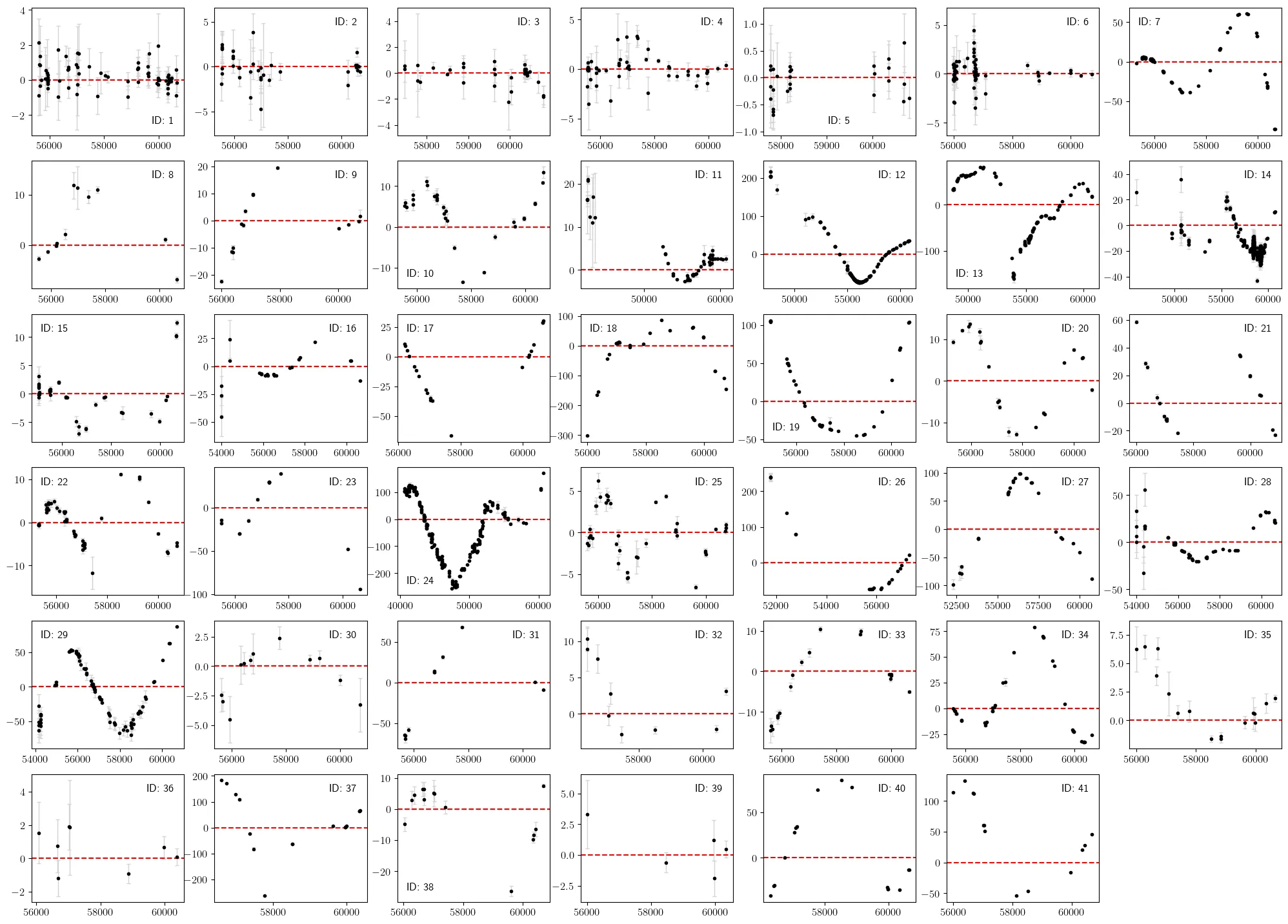
Eclipses in binary stars are like clockwork: a white dwarf (the dense remnant of a star) regularly passes in front of its companion, and the light briefly dims. But for most such pairs, the clock runs fast or slow by seconds over years. Astronomers measured these glitches in 43 systems and found a pattern.
If the companion star is fully mixed inside, like a boiling pot, the glitches are weak. If it has a solid core and an outer layer, the glitches are strong. This points to a magnetic mechanism: the star's magnetic fields, like a spring, alternately compress and stretch the orbit. Planets may also exist, but they are not the main cause.
A mystery remains: magnetic forces cannot explain the fastest and largest glitches. The star lacks the energy to change its orbit so abruptly. Perhaps something else is at work, but one thing is clear: the celestial clock is not as steady as we thought.
A white dwarf is about the size of Earth but has the mass of the Sun. A teaspoon of its material would weigh as much as a truck.