An electric vehicle (EV) is a vehicle propelled by one or more electric motors, powered by rechargeable batteries or other energy storage devices. Unlike internal combustion engine vehicles, EVs produce no tailpipe emissions and are generally more energy-efficient. The concept is central to modern efforts to reduce greenhouse gas emissions and dependence on fossil fuels, and it encompasses cars, buses, bikes, and even aircraft.
History
The first practical electric vehicles appeared in the 1880s, but they were overtaken by gasoline cars in the early 20th century due to cheap oil and better range. The modern revival began in the 1990s with the introduction of the GM EV1 and gained momentum with Tesla's Roadster in 2008.
How it works
EVs store electrical energy in a battery pack, typically lithium-ion, which supplies power to an electric motor that drives the wheels. The motor converts electrical energy into mechanical energy with high efficiency—over 90%—compared to about 30% for gasoline engines. Regenerative braking captures kinetic energy during deceleration and feeds it back into the battery, extending range.
In practice
EVs are widely used in personal transportation, public transit, and logistics, and are increasingly integrated with renewable energy grids for charging.
Fun fact
The first electric vehicle to exceed 100 km/h was the 'La Jamais Contente' in 1899, setting a land speed record of 105.88 km/h.
A piston in a cylinder with gas usually moves when the gas pushes on it. But there is a piston that moves when the space in front of it is empty. Every five seconds, it checks the space near its wall, and if no one is there, it takes a step inward, compressing the gas without direct mechanical force.
The power grid is often compared to a water supply: current flows like water under pressure. Electric vehicles here are powerful pumps, capable not only of pumping water (charging) but also pushing back when needed, evening out the pressure. The trouble is, solar panels generate energy in surges, like a pump that gulps and then blasts with double force.
The railway's electrical network is like an orchestra: trains are musicians whose systems respond differently to current. When their 'electric voices' fall out of tune, disorder arises — a cacophony that can escalate into dangerous voltage rocking.
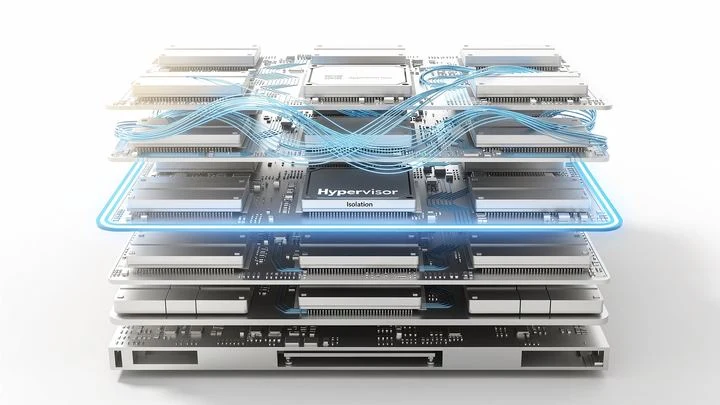
Stuttgart, 2025. A software engineer plugs a laptop into a test car, not for diagnostics, but to replace the car's 'personality'—like flashing a smartphone's firmware. But instead of a quick update, he faces a cascade of incompatibilities. Each electronic control unit (ECU) speaks its own dialect, tied to a specific supplier's chip.
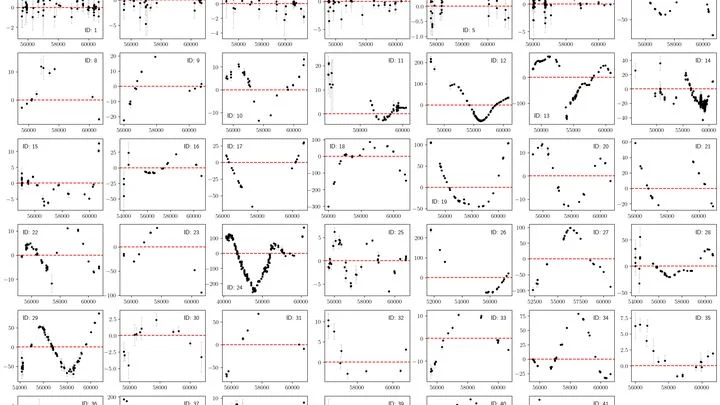
Eclipses in binary stars are like clockwork: a white dwarf (the dense remnant of a star) regularly passes in front of its companion, and the light briefly dims. But for most such pairs, the clock runs fast or slow by seconds over years. Astronomers measured these glitches in 43 systems and found a pattern.
Today's blockchain is like a music box: the melody (the rules of the game) is embedded in the mechanism, and to change it you have to take the whole thing apart. Every time developers want to change an application's logic, they have to perform a fork, splitting the network into two branches that then compete with each other.