Where Stars Are Born: The Threads of the Universe express
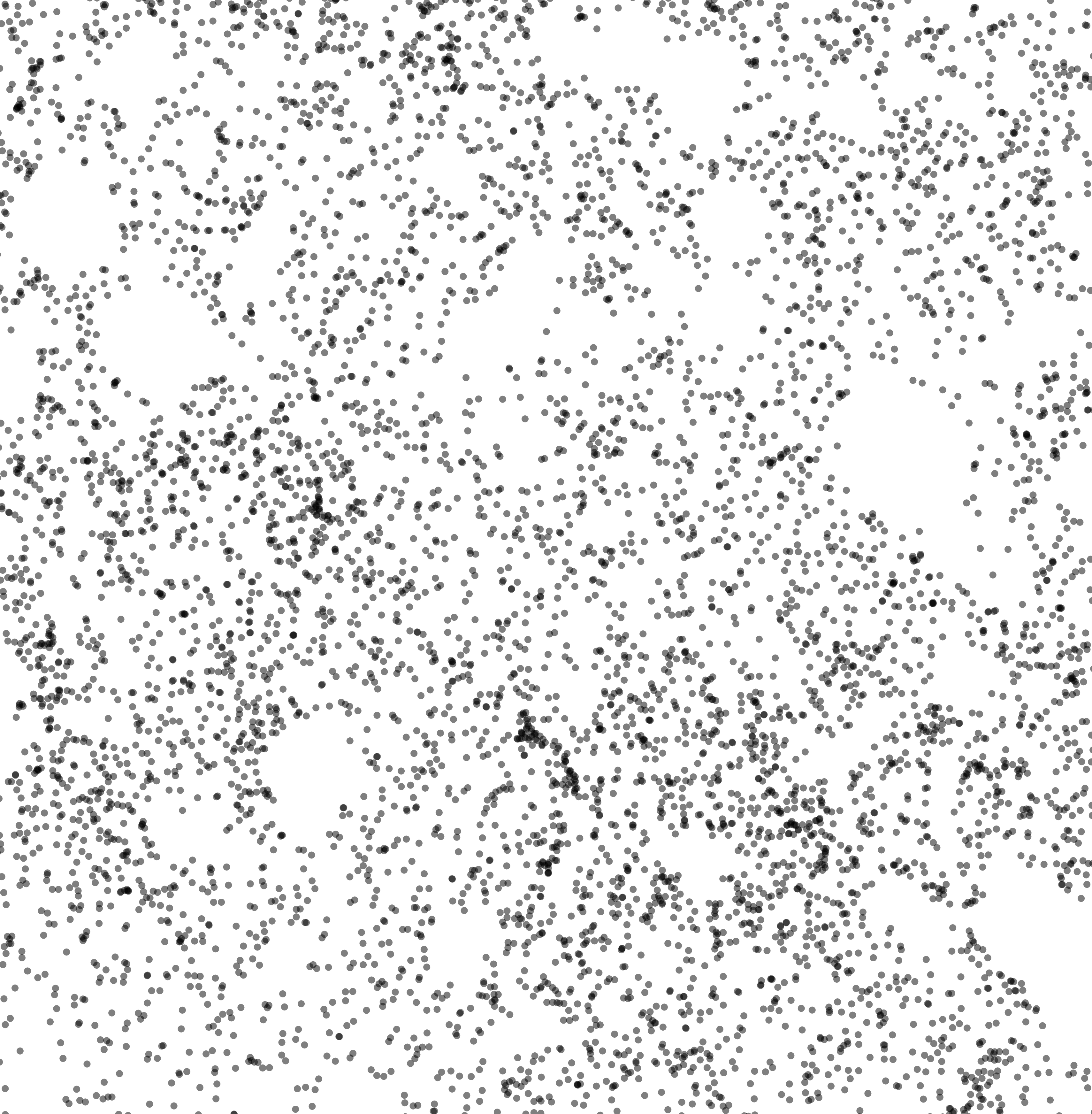
The Universe looks like a giant spiderweb: galaxies aren't scattered randomly but are gathered into knots and along filaments. Inside the filaments, there's plenty of gas, and that's where new stars most often flare up. But how has this changed over time? Scientists compared data from a computer model with real observations of thousands of galaxies.
It turns out that in the young Universe, galaxies with vigorous star formation did hug the filaments. But in later times, they moved away. Quiet galaxies, where stars are barely born, crept ever closer to the filaments over time. Galaxies with a normal star formation rate stayed in between.
This isn't just a curious fact. It means the large-scale structure of the Universe, the filaments and voids, directly governs the lives of galaxies. And this is visible even from billions of light-years away.
The brightest starbursts in the young Universe occurred closer to cosmic filaments, but after billions of years the picture reversed.