Diamonds from the Sky express
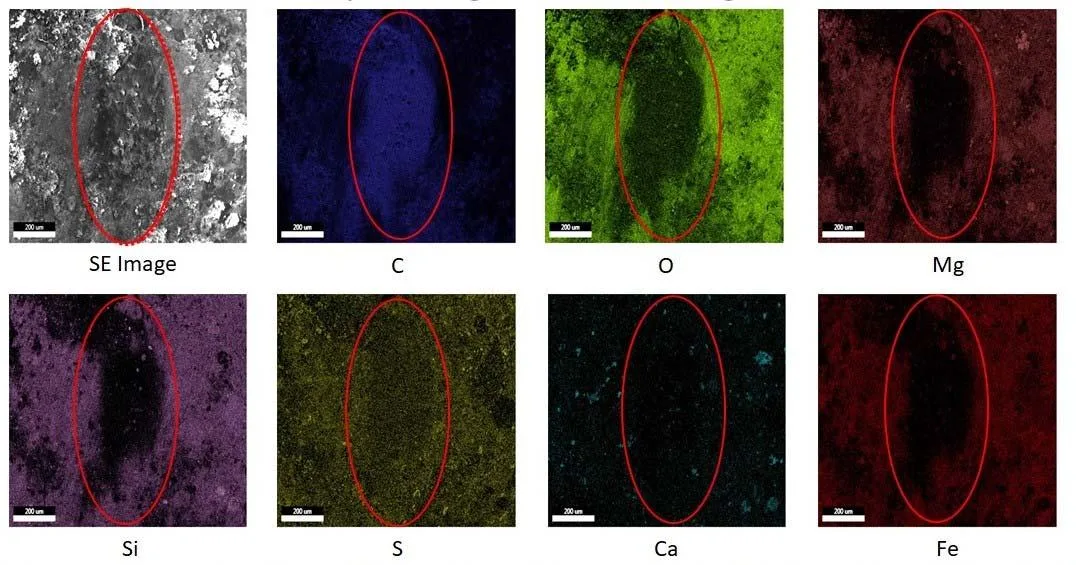
In 2017, a stone fell from the sky in the Indian village of Mukhundpura. It was a rare carbonaceous meteorite — a chunk of ancient cosmic material that preserves traces of the birth of the solar system. Locals quickly gathered the fragments, and they ended up in a laboratory.
Under a powerful electron microscope, the meteorite revealed minuscule diamond crystals, just 3–5 nanometers across. That's tens of thousands of times thinner than a human hair. Nearby lay grains of graphite, like the stuff in a pencil. This combination suggests that the material once experienced intense compression and heating — possibly during an asteroid impact on Earth.
Another find was an abundance of iridium. This metal is rare on Earth's surface but common in asteroids. Scientists have long noticed that rock layers formed 66 million years ago, when the dinosaurs died out, contain anomalously high iridium. Perhaps a giant asteroid impact triggered that catastrophe. The Mukhundpura meteorite is a tiny piece of the same cosmic story.
Such a stone is like a letter from the distant past. It traveled to us carrying carbon — the basis of all life. By studying it, we better understand where the building blocks for the first living cells came from and how cosmic impacts have shaped our planet's fate.
Nanodiamonds are found not only in meteorites but also in some terrestrial rocks, where they form from lightning strikes.
In the movie Armageddon, heroes drill into an asteroid to save Earth, but in reality, asteroids may have brought water and organics to Earth, without which life would not exist.