Dust Grains Dance a Waltz express
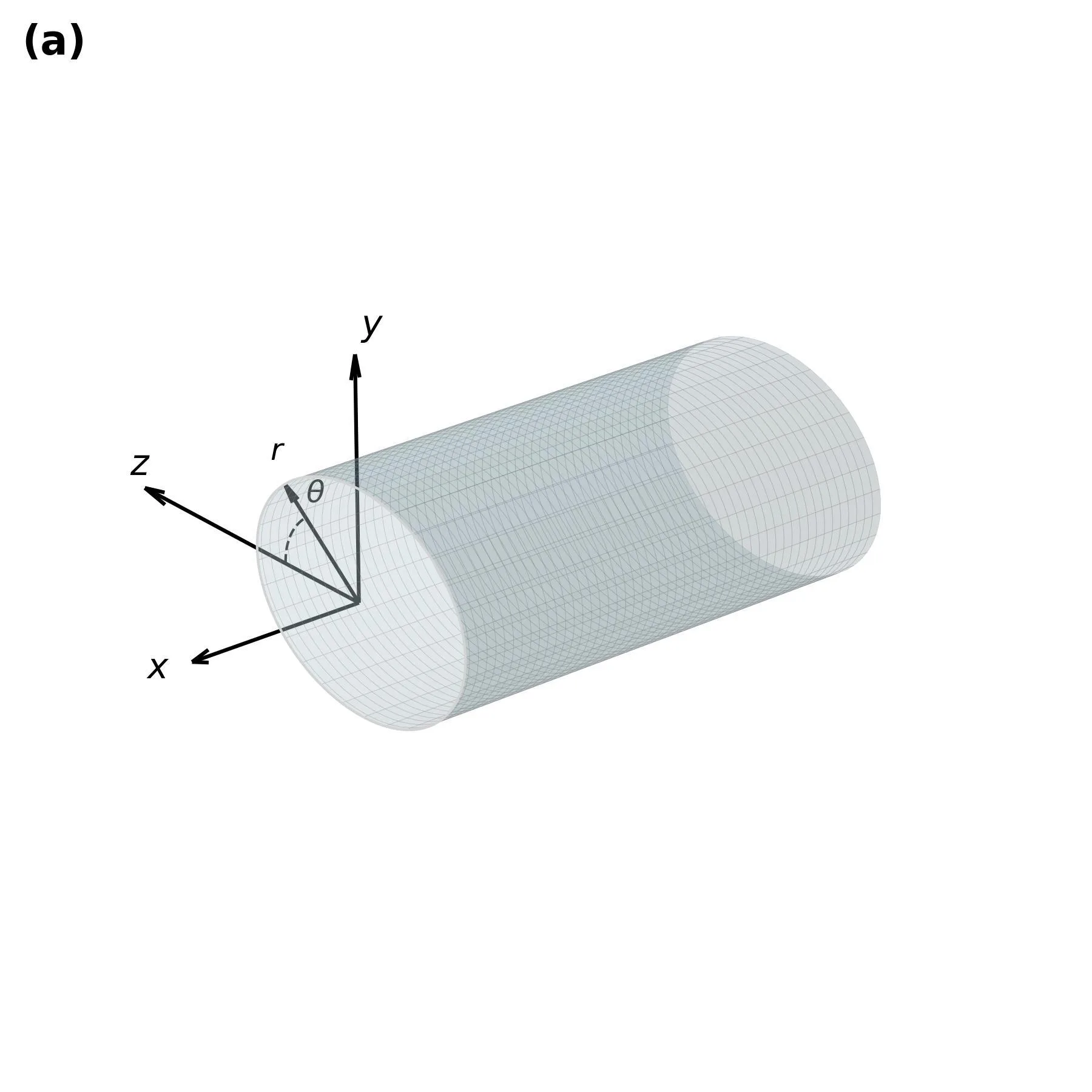
In a protoplanetary disk, a cloud of gas and dust around a young star, dust grains don't just fly in circles. They are carried by the gas flow, like sand by the wind, and in turn alter that flow. Layers emerge, sliding past each other, and at their boundaries an instability arises — waves and vortices. It is in such vortex zones that dust gathers into clumps, which later grow into planets.
To observe the pure dance, scientists sent a dust-gas mixture into weightlessness — aboard an aircraft flying a parabolic trajectory. There, in free fall, they recorded particle motion with a camera and measured velocities. They found that a periodic velocity field emerges in the flow — a repeating pattern akin to wind-driven waves on water. This pattern roughly matches the Kelvin–Helmholtz instability — the name for vortices that arise when two flows move at different speeds.
This experiment serves as a benchmark for theories describing how micron-sized dust grows into kilometer-sized planetesimals. After all, it is in vortices like those observed that dust sticks into clumps — the future cores of planets. Now astronomers have a terrestrial test for these cosmic processes.
A Knudsen number of 10 means a dust grain, on average, travels a distance ten times its own size before colliding with a gas molecule. For comparison, in room air, that distance is thousands of times smaller.
In Liu Cixin's novel "The Three-Body Problem," there is a game with virtual civilizations trying to survive the chaos of three suns. There too, vortices and unstable orbits decide the fate of worlds — only on a stellar scale, not a dust-grain one.