A Liquid That Catches Invisible Particles ✎ express
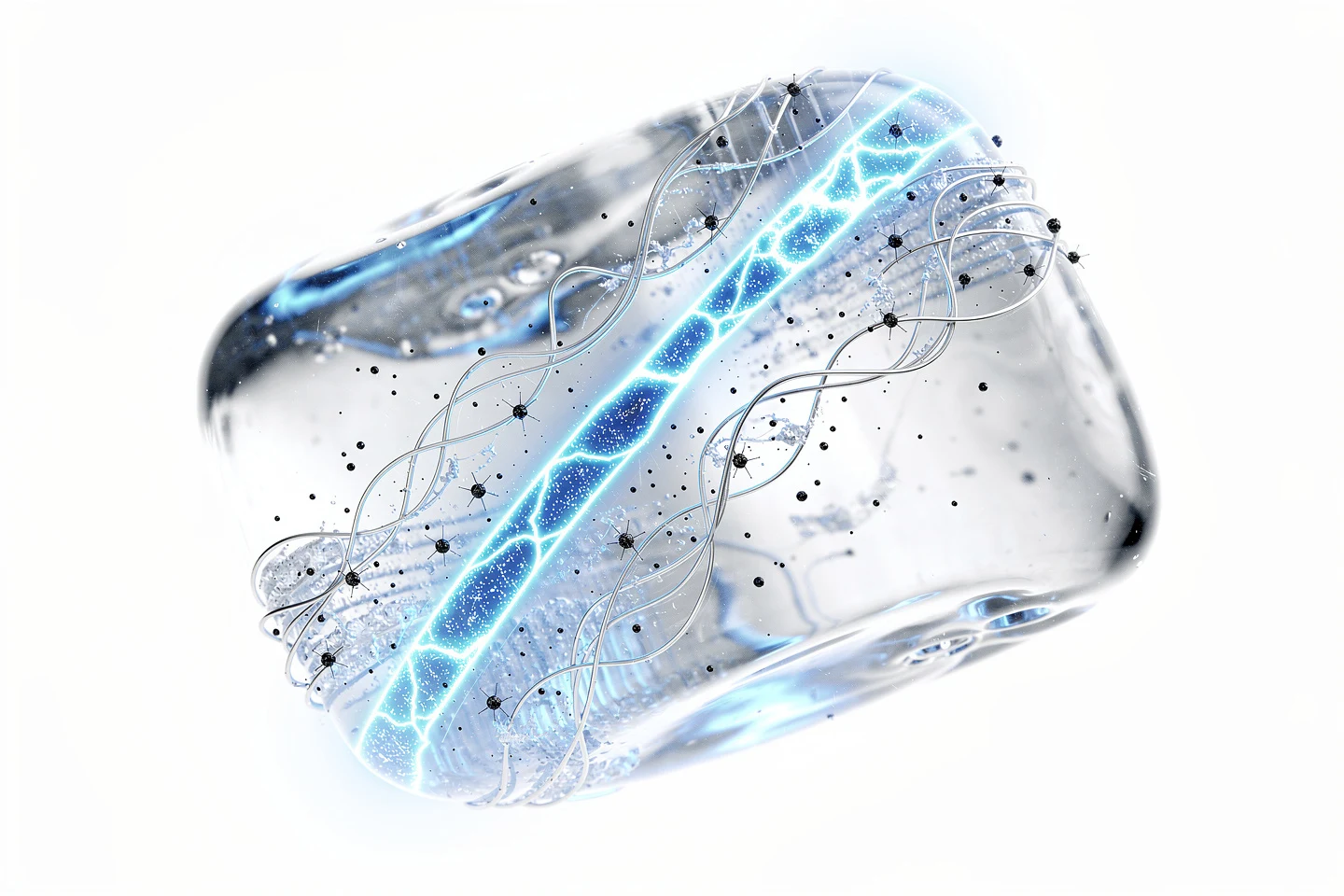
Plain water in a glass is clear and calm. But if you add tiny carbon dots made from sugar and citric acid in an ordinary microwave, the water starts to glow when a charged particle flies through it.
Such a mixture works as a liquid scintillator — a substance that converts particle energy into visible light. Previously, organic solvents were used, which are expensive, flammable, and harmful to the environment. The new water-based mixture yields up to 70 photons per megaelectronvolt of energy — enough to detect even weak signals.
The scientists tested the mixture on muons — heavy relatives of the electron that constantly rain down from space. A detector with this liquid caught them reliably. Now this cheap and safe water with carbon dots can be poured into huge tanks of neutrino observatories to catch both neutrinos and low-energy protons. It's like replacing an expensive alarm system with a homemade one that works just as well.
You can make carbon dots for this detector at home: mix citric acid and sugar, microwave for a few minutes, and you get a glowing powder.