Smell Is Not a Single Formula express
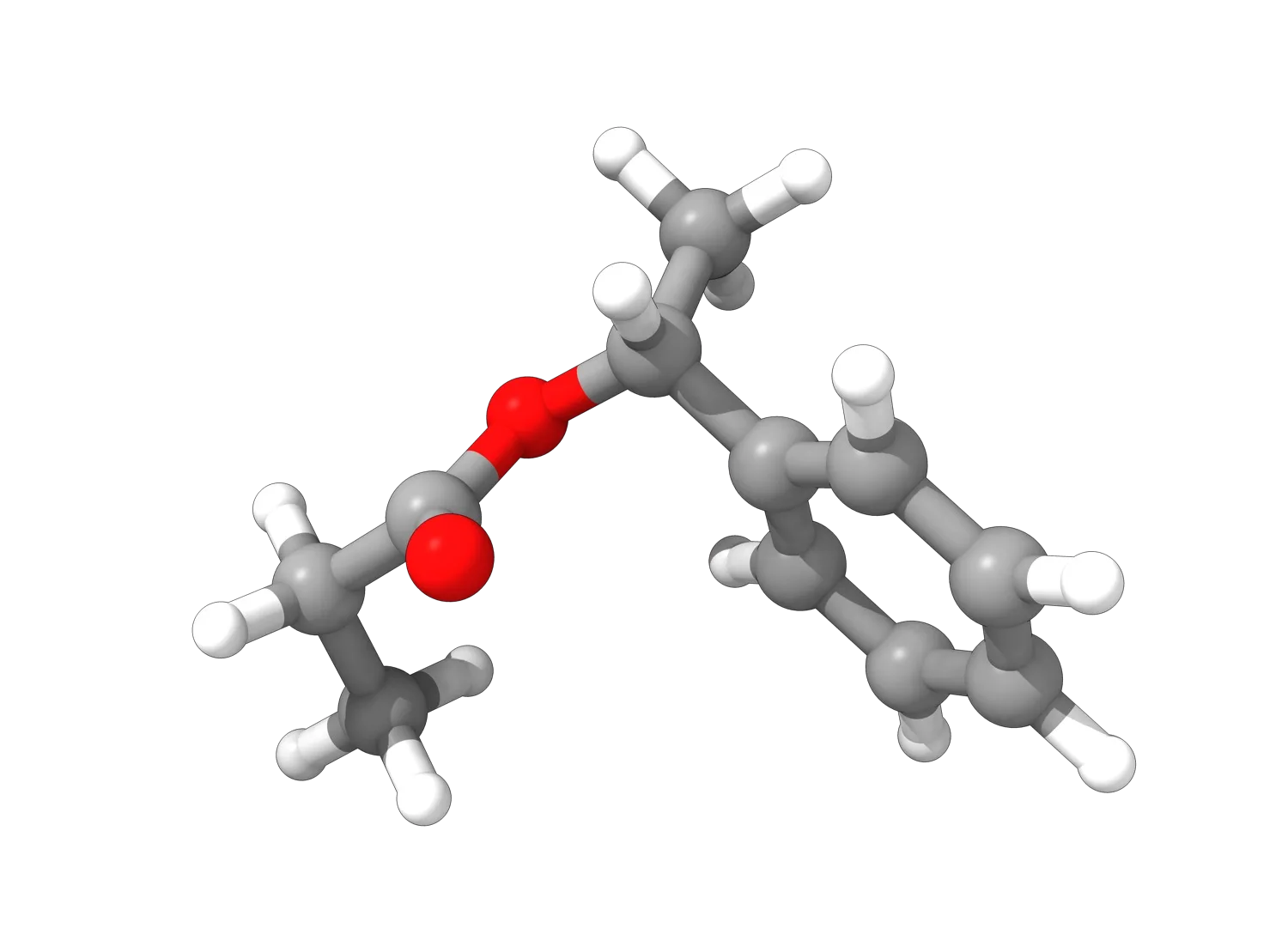
The nose is an amazing instrument. A single coffee molecule entering a nostril can awaken a memory of a morning kitchen. Another, nearly identical in shape, smells like rotten eggs. How does the brain tell these invisible keys apart?
Scientists have long debated: does odor depend on molecular shape, like a key in a lock, or on vibrations, like a plucked string? A new study tested this on a computer. They trained a program on thousands of molecules, calculating for each one its shape, vibrations, and electrical properties. Then they asked: which properties matter for the smell of flowers, and which for the smell of burning?
The answer surprised them: there is no single rule. For some odors, shape is key; for others, vibrations; for still others, electric charge. Each odor uses its own set of keys. It's as if some locks open with the key's shape, others with its vibration, and still others with a magnetic field — depending on the lock.
This finding helps explain why the same molecules can smell different to different people. And why perfumers still can't predict the scent of a new substance without testing it. The nose is not a simple lock but a whole orchestra, where each instrument plays its own part.
More than 10,000 odorants are known worldwide, yet humans can distinguish only about 10,000 smells, and nearly all of them are combinations of just a few hundred types of molecules.