A Moon-Sized Shadow in the Milky Way's Halo express
A spotlight shines through a dark hall. Between the lamp and the wall, an invisible lens drifts by, and the spot of light briefly brightens and shifts. That is exactly what the DECam telescope, aimed at the Large Magellanic Cloud, a satellite galaxy of our Milky Way, was watching for five consecutive nights.
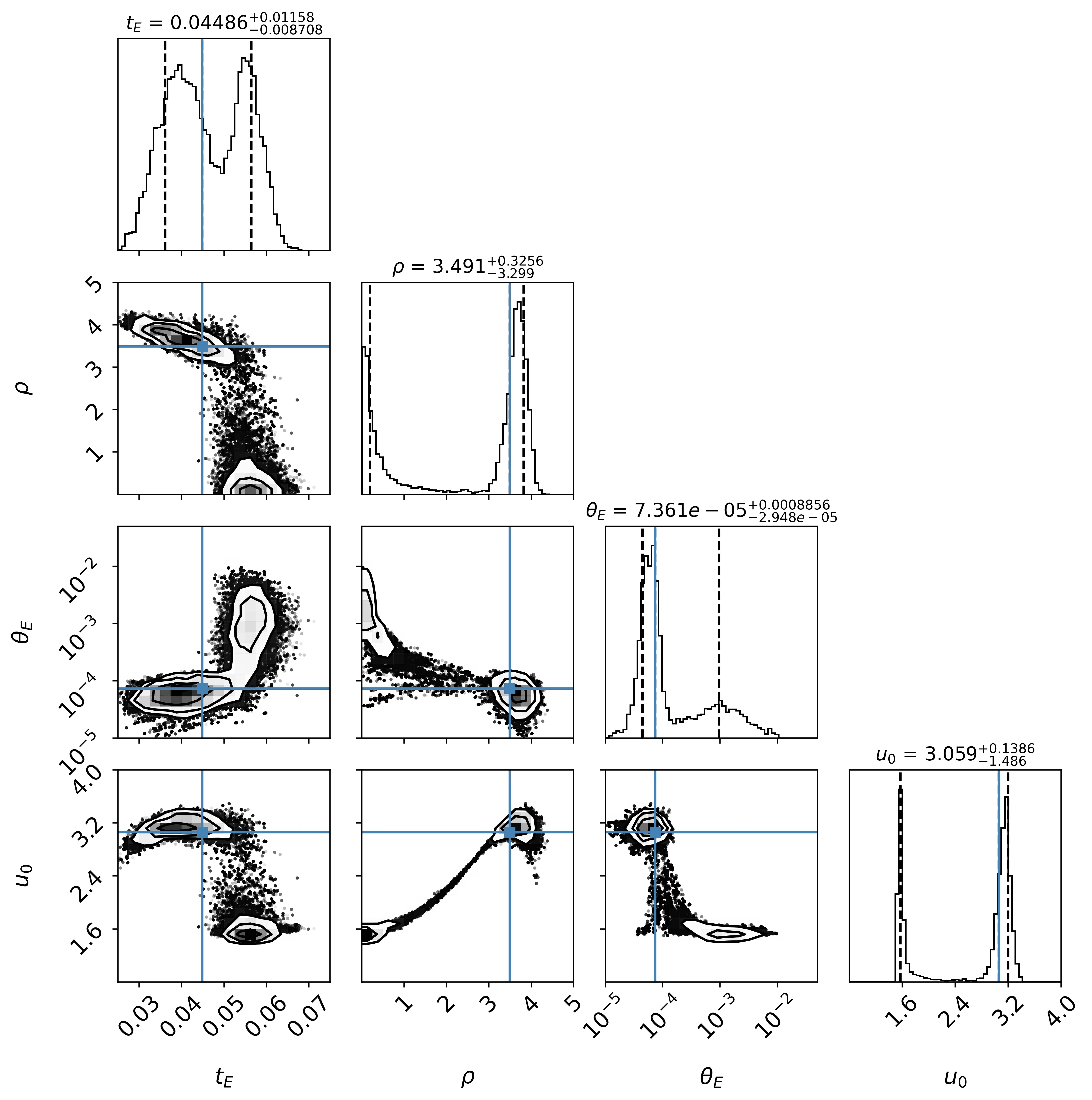
It caught a flash lasting just one hour. Such a short event is rare: most microlensing events (when gravity from a massive body bends light like a lens) last weeks or months. The object, named Phoebe, bent the light of a background star like a tiny but massive lens. Analysis shows that the probability Phoebe is an ordinary star in our Galaxy or its satellite is minuscule. It is a hundred thousand times more likely to belong to the invisible dark matter halo.
This gave rise to the hypothesis: Phoebe is a primordial black hole, born not from a dead star but from a clump of superdense matter in the first instants after the Big Bang. If so, space around us could be strewn with myriad such objects — invisible but detectable through their gravity. They could explain what dark matter is made of.
The DECam telescope snapped images every few tens of seconds to catch such a brief dance of light. And if Phoebe is indeed part of the Galaxy's invisible population, astronomers have just opened a door into a world where the physics of inflation, the ultra-fast expansion of the early universe, left behind not only stars and planets, but also ghostly lunar shadows.
If such a black hole were placed where the Moon is, its event horizon would be the size of a grain of sand — about 0.2 millimeters.
In Peter Watts's novel Blindsight, invisible objects in the Oort cloud turn out to be not comets but ancient probes — somewhat like hypothetical primordial black holes hiding in the halo.