Superconductivity in the simplest cuprate finally works express
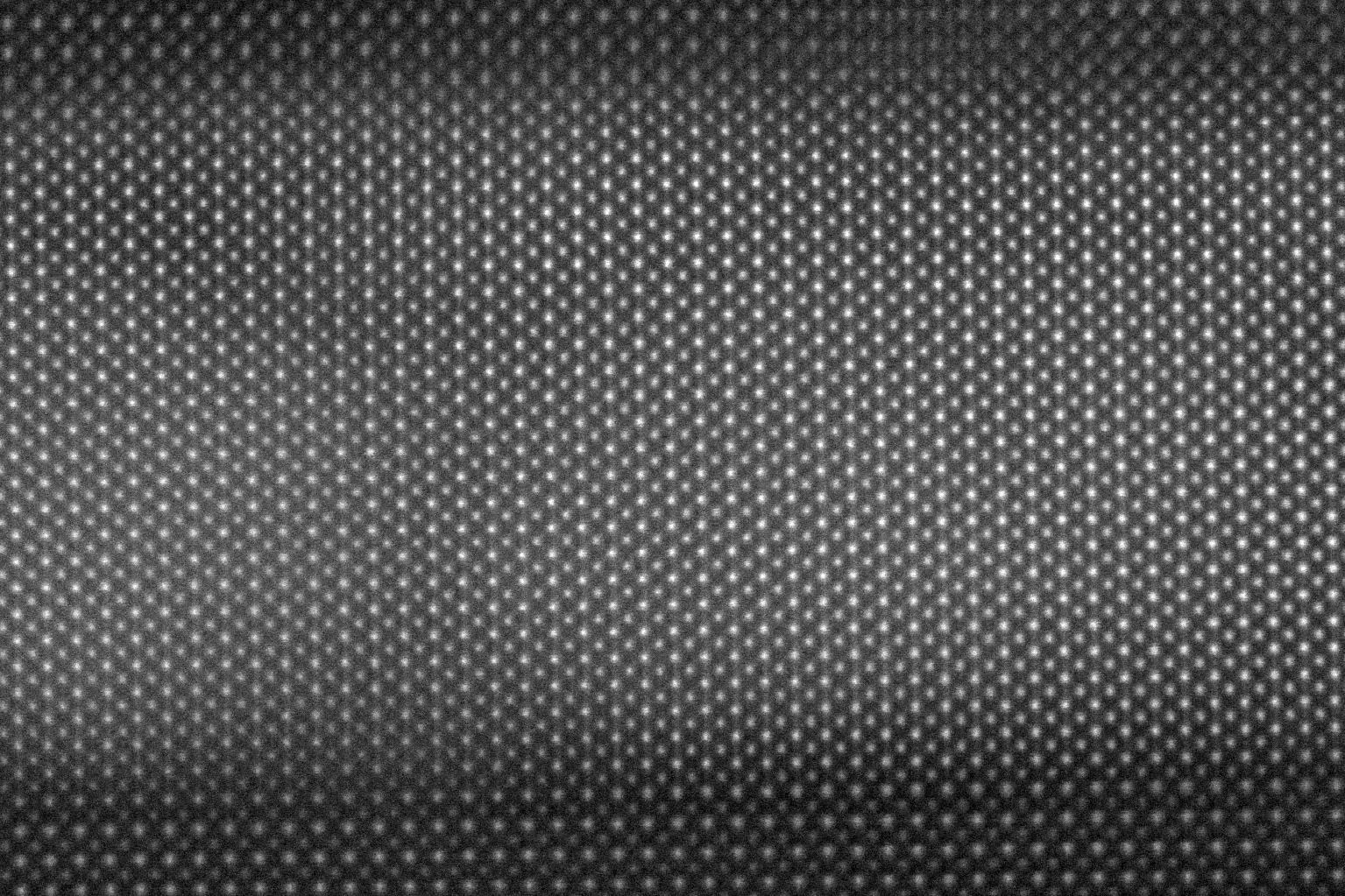
Imagine a sandwich where the bread is made of copper oxide layers and the filling is a thin layer of strontium ions. That's the infinite-layer cuprate, the simplest version of superconducting ceramics, conceived nearly 40 years ago. It has everything needed for superconductivity: perfectly square grids of copper and oxygen, separated by spacer atoms. But getting it to conduct electricity without resistance by adding free holes (mobile positive charges) proved elusive, like a sandwich missing some sauce.
Now, that sauce has been found. In a thin crystalline film of Sr1-xRbxCuO2, some strontium was replaced with rubidium, and extra oxygen atoms were carefully placed atop the copper squares. Together, they generated the required number of holes — without them, superconductivity doesn't kick in. Resistance measurements showed that at 100 Kelvin, or about minus 173 degrees Celsius, the film loses its resistance. That's 27 degrees warmer than liquid nitrogen, which is often used to cool superconductors for demonstrations.
The film responds to a magnetic field exactly as a superconductor should: the field is expelled from it, and strengthening the field destroys the superconducting state. This is the first solid confirmation that hole-doped superconductivity is possible in the infinite-layer cuprate. Now physicists have a clean playground: on this simple structure, they can re-examine long-standing hypotheses — from the strange metal behavior to the symmetry between electrons and holes. And even look into related nickelates, where superconductivity was recently found as well.
Rubidium, which helped trigger superconductivity, is a soft metal that melts from the warmth of your palm. In the film, it sits inside the crystal lattice and behaves quite differently, like a stationary brick that has given up an electron.
In Peter Watts' novel Blindsight, superconductors are needed for an alien spacecraft to function, but there they work at room temperature, a dream that remains out of reach.