Starquakes of Newborn Stars express
After a supernova explosion, a dense ball the size of a city remains at the center — a newborn neutron star. It is hot, compressed, and rings like a bell after being struck. These tremors, the star's oscillations, emit gravitational ripples that sensitive detectors on Earth can catch.
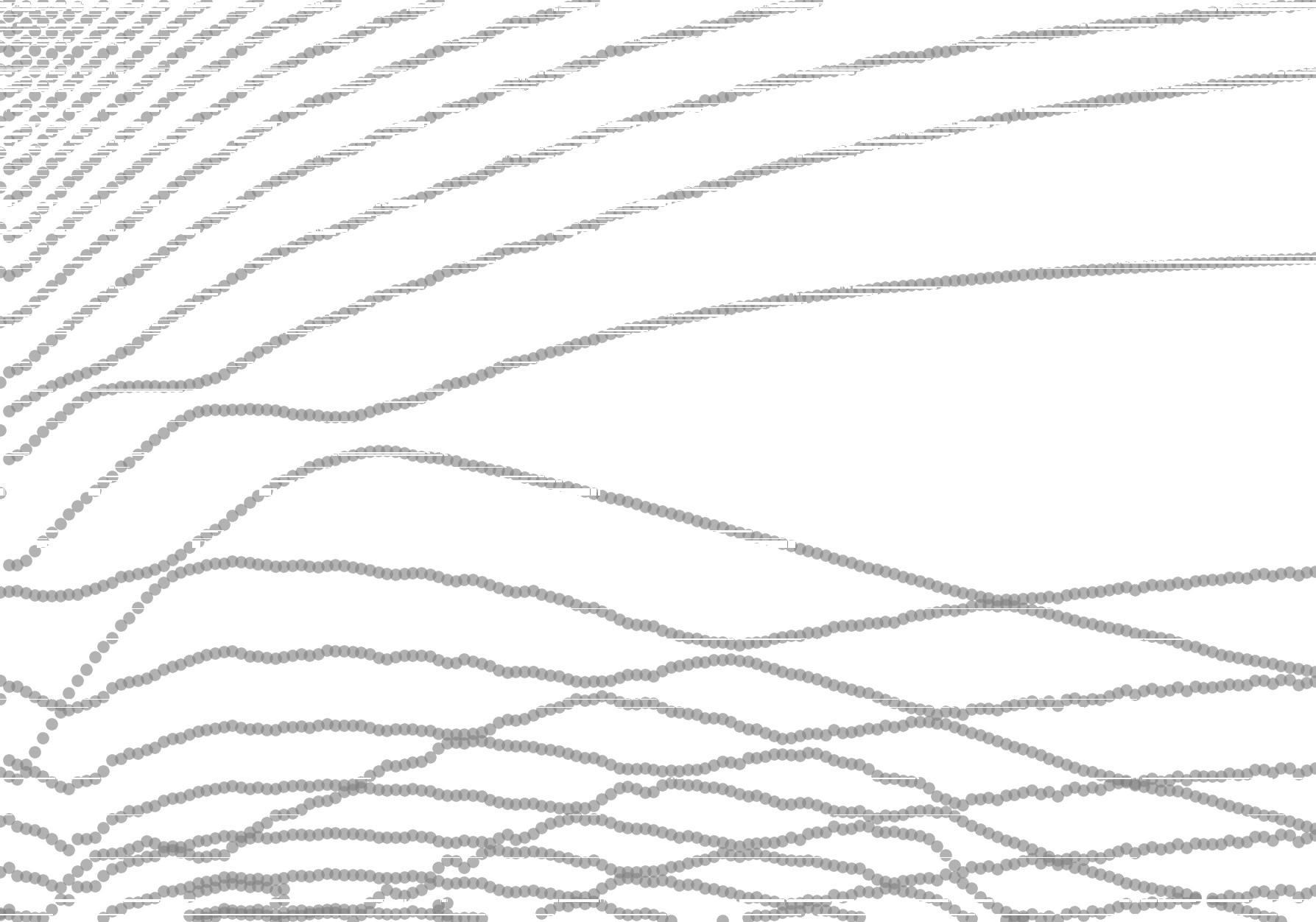
But how do we know what exactly is trembling inside the star? The authors broke the oscillations down into families, like a musician breaking a chord into notes. It turned out that some oscillations live in the star's core, others near its surface, and still others in the shock wave around it. The dominant high pitch is the surface oscillation, where the density drops sharply.
This breakdown will help future gravitational wave detectors: from the heard pitch, one can determine the mass and size of the newborn star, even without seeing it through a telescope.
A newborn neutron star vibrates at frequencies of thousands of hertz — higher than the highest note on a piano.
In the movie "Interstellar," gravitational waves helped the heroes, but there they were created by black holes, whereas here they come from trembling newborn stars.