A Diamond That Pulses with Light express
An ordinary lamp shines steadily, while a lighthouse flashes. Scientists in London have made a tiny diamond work like a lighthouse, but not for light — for radio waves. To do this, they added a bit of nitrogen to the crystal and then shone a green laser on it. The nitrogen in the diamond absorbs light and starts emitting radio waves: this is how a maser works, the older brother of the laser.
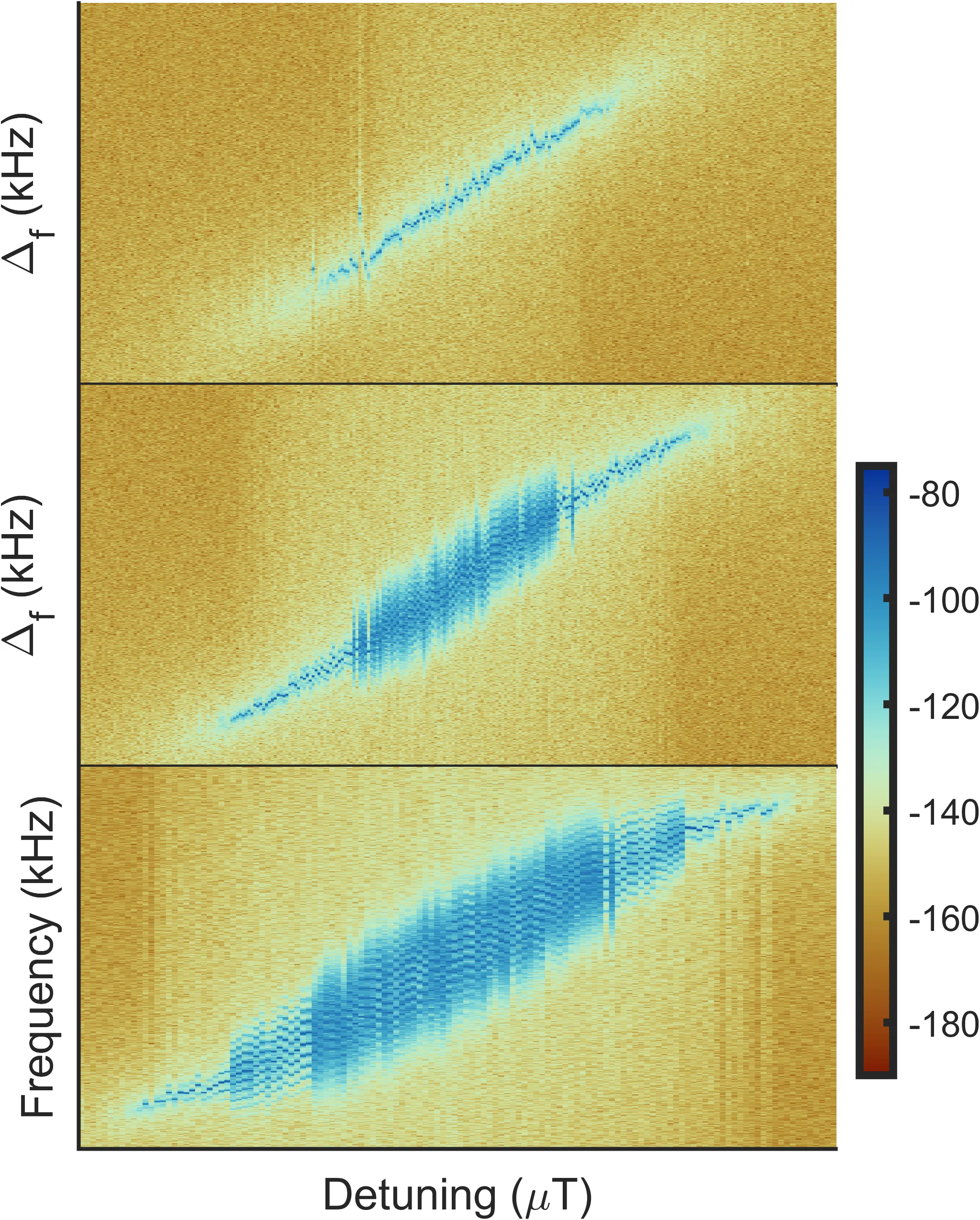
When the laser power was low, the diamond emitted a steady, continuous radio signal, like a lamp. But as they increased the power, the behavior changed: the crystal began producing short radio pulses at regular intervals. The frequency of these pulses, hundreds of thousands per second, was so stable that it could be used as an ultra-precise clock.
At even higher power, the pulses became not just short but had a 'tail' whose frequency changed within each pulse. This is like the sound of a violin when a musician quickly slides a finger along the string, and the pitch smoothly changes. Such behavior suggests that millions of nitrogen atoms in the diamond start acting in concert, like an orchestra without a conductor.
Why does this matter? Such pulsed masers could become the basis for ultra-precise clocks and communication systems that are immune to interference. And crucially, the diamond works at room temperature, without bulky cooling systems. This means that precise radio generators could be embedded in satellites, phones, and medical devices.
A lighthouse that first shone steadily now blinks, and its flashes carry information. A diamond that first simply emitted radio waves has become the heart of future precise instruments.
The pulse frequency of the diamond maser is so stable that if such a clock had been running since the Big Bang, it would have lost less than a second.