Invisible Light Paints a Portrait express
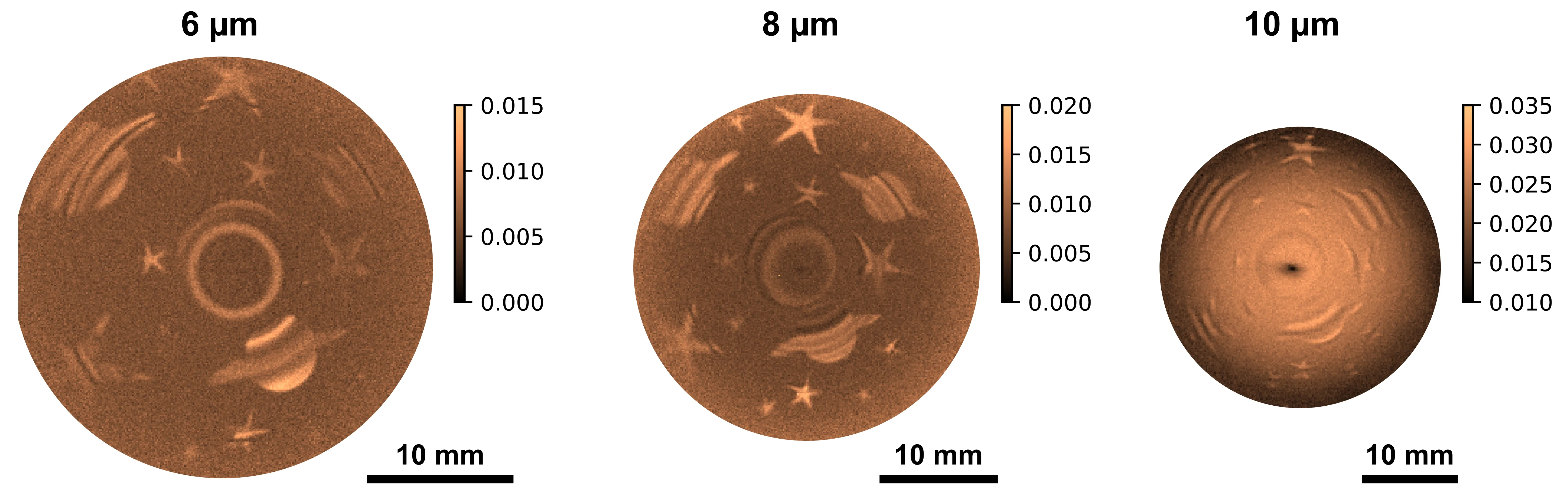
Light that never reaches the camera still leaves its mark on it. That's how the new imaging method works: you illuminate the object with one color, and the picture is assembled from another. Inside the crystal, light waves mix, and information about the invisible transfers to a visible beam.
In the experiment, they used a silver thiogallate crystal. It's arranged so that two beams of different colors pass through it at an angle. One beam, the one illuminating the sample, and the other — the one hitting the camera. When the first beam passes through the sample, its properties change. These changes are transferred to the second beam, and the camera sees the image.
Imaging was done at a wavelength of 8 micrometers — about ten times thinner than a human hair. Over ten seconds, the camera captured an image with a resolution of 297 micrometers, roughly the size of a dot from a sharply sharpened pencil. The frame held more than eight thousand distinguishable elements.
The bottom line: images come out a hundred times better than those from standard infrared detectors. And all of this happens at room temperature, without bulky cooling. This approach could be used for rapid material inspection, spotting impurities, or watching chemical reactions unfold.
In this experiment, the silver thiogallate crystal acts like a translator: it takes an invisible infrared signal and translates it into the language of visible light, which an ordinary camera can understand.