How to Hear the Echo of Disease in the Brain ✛
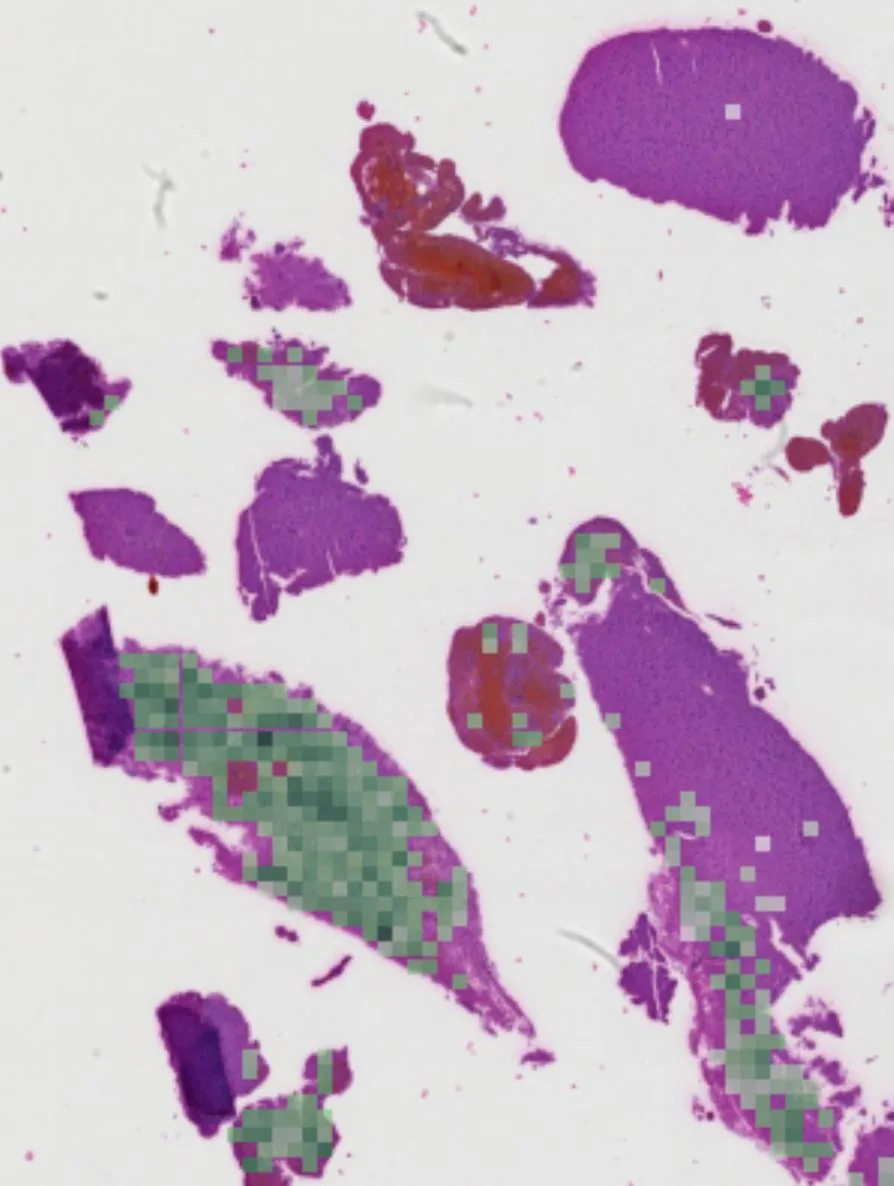
When a gunshot rings out in a room, its echo lingers off the walls for a while. Even if no one saw the shot itself, that echo tells you something happened. The same goes for disease in the brain: a tumor may not be present in the tissue sample taken for analysis, but the healthy tissue around it has already changed. These changes are called reactive tissue, and they are like the echo of the disease.
Scientists took 245 brain tissue samples from 186 patients. From each sample, they manually removed tumor regions, leaving only reactive tissue. Then they cut the samples into small squares and showed them to a computer. The computer learned to distinguish three cases: tumor, inflammation, and healthy tissue. At first, it seemed that it had simply learned to tell large samples from small ones, rather than disease from health. But when the task became harder, for instance, determining the tumor type or where it came from, size no longer helped, and the computer still performed better than chance.
This means that even in an 'empty' sample, where there is no tumor, a signal of disease remains. Previously, such samples were considered useless, and doctors could not make a diagnosis. Now there is a way to extract information from them. However, caution is needed: the computer sometimes focuses on blood that got into the sample during collection, rather than on the disease itself. So the scientists suggest always checking whether the model is being fooled by a technical artifact. You can hear the echo of the disease, but first you need to make sure it is not just noise in the room.
Models with identical accuracy can focus on completely different regions of a slide: one fixates on hemorrhages from tissue collection, another on subtle glial changes. In other words, a "correct" answer does not guarantee that the model found a biologically meaningful feature.
The idea of reading disease from the body's reaction rather than the pathogen itself echoes stories of diagnosis by indirect clues, like in the TV series "House M.D.", where the team diagnoses based on subtle symptoms rather than an obvious cause.