Medical diagnostics is the broad field of identifying diseases or conditions in patients through a combination of clinical evaluation, laboratory tests, and imaging techniques. It is the foundation of effective treatment, as a correct diagnosis is necessary to choose the right therapy. Modern diagnostics range from simple blood tests to advanced imaging modalities like MRI, CT, and PET scans, as well as genetic and molecular assays that can detect specific biomarkers.
History
The field has evolved from ancient observational methods to modern technology. The discovery of X-rays by Wilhelm Röntgen in 1895 marked the beginning of medical imaging, while the development of the stethoscope in the 19th century and the first blood tests in the early 20th century laid the groundwork for laboratory diagnostics.
How it works
Diagnostic methods work by detecting physical, chemical, or biological signs of disease. Imaging techniques use various forms of energy — X-rays, magnetic fields, or radioactive tracers — to create pictures of the body's internal structures. Laboratory tests analyze samples of blood, urine, or tissue for abnormal levels of substances or the presence of pathogens. The choice of diagnostic method depends on the suspected condition, the patient's symptoms, and the availability of technology.
In practice
Medical diagnostics is used daily in hospitals and clinics to detect conditions such as cancer, infections, cardiovascular disease, and neurological disorders, guiding treatment decisions and monitoring disease progression.
Fun fact
The first CT scanner, developed by Godfrey Hounsfield in 1971, took about 4 minutes to acquire a single slice of the brain and required a computer to reconstruct the image — a process that now takes milliseconds.
An old mattress stops bouncing back: the filling clumps up, and the springs lose their resilience. The ovary changes with age in much the same way, except that instead of filling, stiff connective tissue grows inside it, and the role of springs is played by the cells that support the eggs.
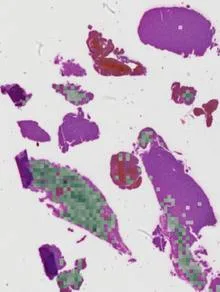
A stain is found at a crime scene. The expert takes a swab, and a few hours later the instrument outputs a list of proteins that made up the fluid. Previously, a rapid test could be wrong if multiple fluids were present: blood mixed with saliva, and the strip gave a false result.
Imagine trying to figure out what happened in a room from the sound that lingers after a gunshot. The shot is gone, but the echo still bounces off the walls. That's roughly how a neuropathologist views a brain tissue section where the tumor itself is absent: the biopsy only captured healthy tissue that reacted to the disease.
When a pipe bursts in the basement, a plumber acts step by step: locates the leak, measures the pressure, determines the cause, patches it up, and checks if it's dry. The same recipe — the standard model DMAIC — is being proposed against epidemics.
First, they determine the scope — how many hospital beds are occupied, which industries are sagging.
The eye is inflamed, the cornea clouding. The doctor needs to quickly determine the culprit — bacteria or fungus. The treatment depends on it. A mistake can cost sight. But the classic lab answer takes days, and in remote areas it may never arrive.
Researchers from the US and India propose a different approach: three images from a slit lamp — a device found in nearly every eye clinic.
Diabetes is a constant reminder of needles. To check glycated hemoglobin (HbA1c — a blood protein that reflects average sugar over three months), you need regular blood draws from a vein. It's unpleasant, requires a lab, and takes time. And if you live far from a city, every test becomes a major expedition.
The new iGLU 5.0 device changes the game.
Your arm lifts a cup from the shelf — a familiar motion you don't notice until muscles tire. Then the trajectory changes: the elbow shifts slightly, the hand trembles. A doctor usually catches these changes by hand, feeling the patient's muscles.
In a car, the steering, brakes, and accelerator gradually fail. At first, you can still swerve around a pothole, but each year the maneuver takes more effort. At some point, even a perfect road becomes impassable — the car no longer obeys the driver.
That's exactly how the authors describe aging: not as the accumulation of rust or wear and tear, but as the loss of "controllability" of the body.
Two specialists look at the same breast image. One is an experienced doctor, the other is an artificial intelligence program. Sometimes their opinions match, sometimes they diverge. How often they agree determines how accurately they can together distinguish healthy tissue from a tumor.
A typical medical neural network sees a patient as a point on a map: there's height, blood pressure, a blood test, and the model places a single label: "healthy" or "sick." But in a real hospital, the map is always torn. One test is done on Monday, another a month later, and the CT scanner is a different brand altogether. A point on such a map is self-deception.
In a hospital, blood from a finger prick usually goes to the lab, and the result comes back the next day. The new method promises to cut that wait to a few minutes. Instead of catching light reflected off a sample, it reads the electrical voltage that arises at the boundary between two media, like the faint tingle you feel when you touch a battery with wet fingers.
In a particle accelerator, nuclei shatter into fragments like a porcelain cup dropped on the floor. Each fragment flies through silicon wafers, which register the impact and its strength. But to distinguish a real signal from random noise, you need a threshold: below it, readings are considered interference.
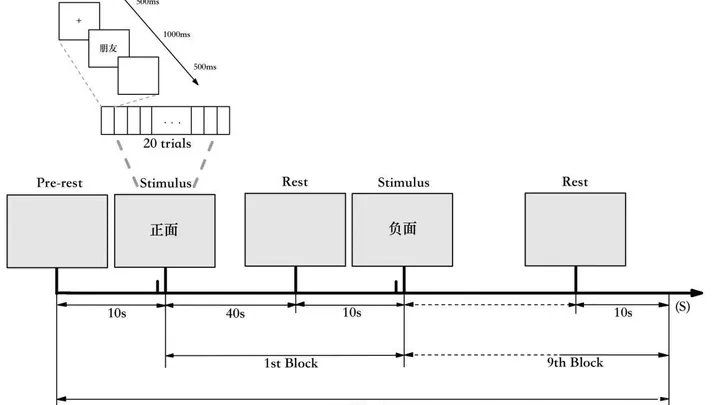
Depression is sometimes sought in the brain's electrical waves. The logic is simple: if a disease has stages (acute, maintenance, recovery) then the signals should change gradually, like volume when you turn a knob. Researchers took EEG recordings from 74 people: 24 in the acute phase, 23 in the maintenance phase, and 27 healthy.
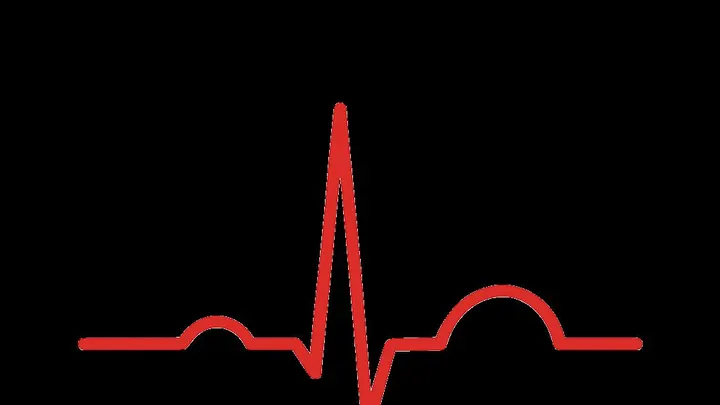
An electrocardiogram is like a recording of an engine's hum: an experienced mechanic can hear when something's off. A heart ultrasound shows the engine itself from the inside, but the machine is pricey and specialists are scarce.
An ECG is not just a wavy line on paper. Like a diary, it records the state of the entire heart: rhythm, wall thickness, and hints of future problems. But currently, programs that learn to read this diary are trained on very narrow tasks — mostly detecting arrhythmias. That's like teaching someone to understand a book by showing them only a list of typos.
A doctor prescribes a pill for the heart and a pill for blood pressure. Individually, each helps, but together they can scramble signals in the blood and cause harm. These unwanted encounters between drugs are called interactions, and testing every pair in the lab is impossible: there are millions of them.
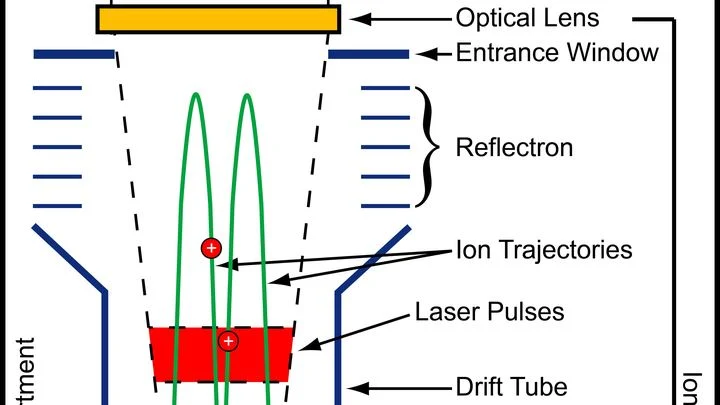
A mass spectrometer works like a molecular shredder: it breaks a substance into charged fragments and weighs each one. From this 'fingerprint,' chemists can tell what was in the sample. But if the molecule is new and its fragments don't match anything known, the instrument just shows a set of peaks, and what lies behind them is a mystery.
The authors of the paper proposed a workaround.
A tiny defect in diamond is like a microscopic ear, able to pick up the magnetic 'breath' of the heart. Such sensors work at room temperature and are no bigger than a grain of sand.
Cells breathe. They need oxygen, and they take it from the blood flowing through the tiniest vessels. If blood flow is weak or oxygen is scarce, cells start to suffocate. Doctors need to see this as early as possible. But how do you look inside living tissue without cutting it open?
The new device does it in two ways at once.
A drop of blood is a bustling city in miniature. Thousands of different molecules scurry through it, each leaving its own trace. But peering directly into this city is hard: the streets are tangled, and there are so many inhabitants that counting them all individually is out of the question.
Scientists have found a way to listen to the whole city at once, without singling out its residents.