Lunar Heating: How Tides Prolonged Earth's Magma Ocean express
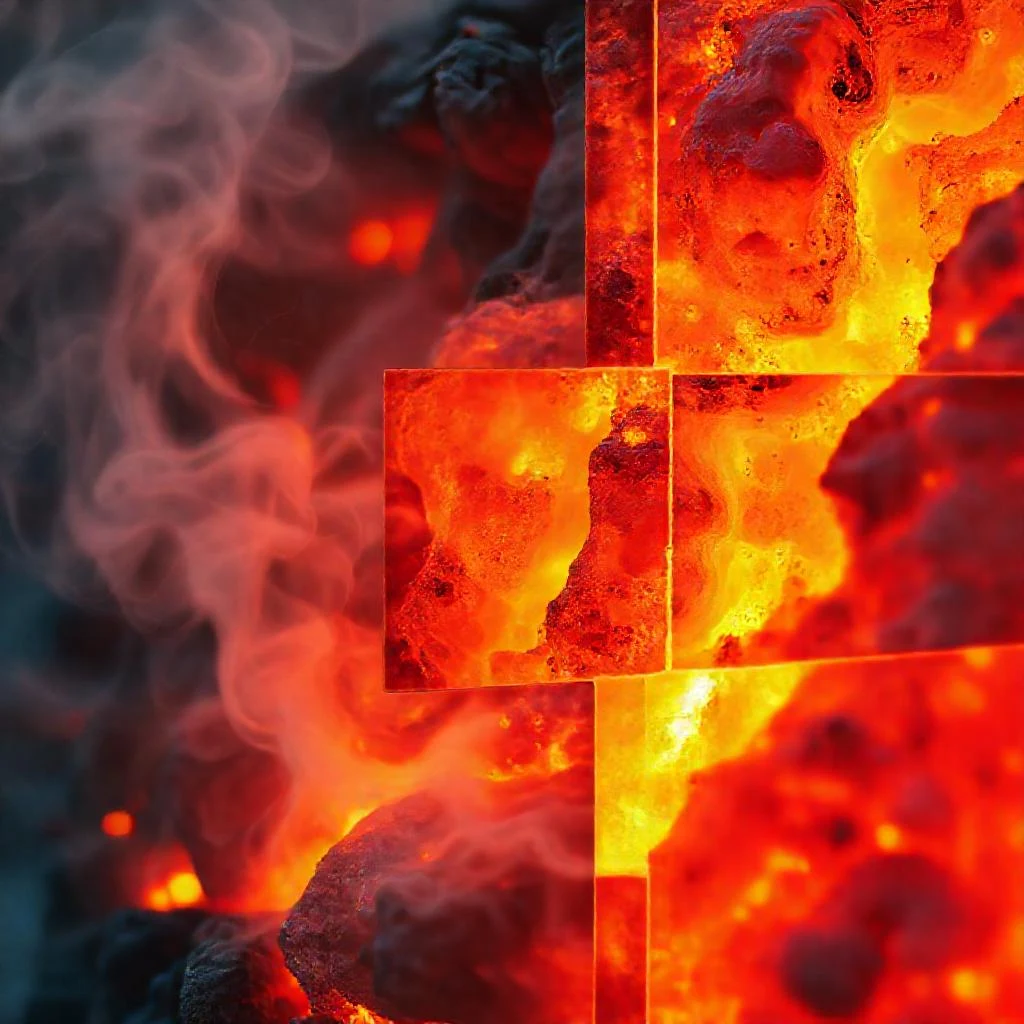
After the Moon's birth, Earth resembled a sizzling lump of dough: a continuous liquid magma and a dense shroud of gases. The Moon acted like a giant spoon, constantly kneading this lump with its gravity. Friction generated heat, delaying cooling. Scientists calculated: depending on tidal strength and oxygen content inside, the ocean of molten rock lasted from 30 to 500 million years. When oxygen was scarce, carbon turned into carbon monoxide. With an excess, water vapor enveloped the planet like a kitchen towel, holding in the heat. Weak tides added gases rich in hydrogen — ammonia and hydrogen sulfide. Eventually, Earth, like dough on a table, reached equilibrium: as much energy came in as went out. Such periods lasted up to 320 million years. If tidal friction had been weaker, the ocean would have solidified in 30 million years, and solid crust would have appeared half a billion years earlier: this could have changed the planet's entire history.
Earth's magma ocean existed longer than the time from the first dinosaurs to today — nearly half a billion years.