Disorder as an Ally: Quantum Memory express
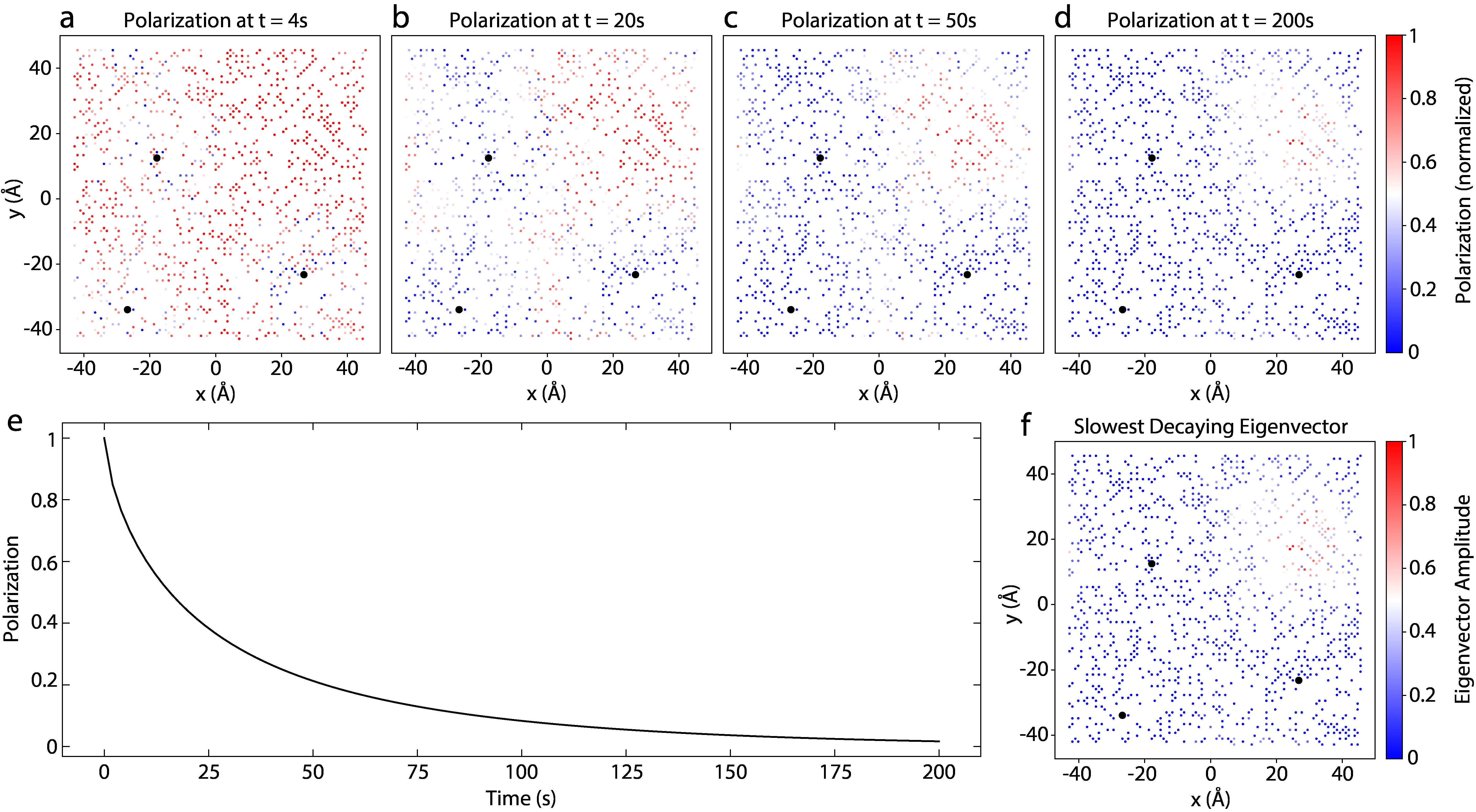
In everyday life, order saves, disorder destroys. With quantum information, it's the opposite. In diamond, electrons and carbon nuclei act like tiny magnets storing a whisper. Gossipy electrons spread it instantly; nuclei pass it along the chain slowly. But crystal imperfections create quiet dead ends where leakage can't enter: there the whisper lives hundreds of times longer.
With light pulses (optical spectroscopy), we can hush the gossip or slow the chain. The growth of entropy, the measure of chaos, usually destroys order. Yet local disorder blocks global decay. This was already pondered by Schrödinger and von Neumann. Conclusion: long-lived quantum memory requires not sterile purity but a dose of chaos.
At room temperature, such quantum states decay in milliseconds, but in the described experiment, the lifetime grew hundreds of times longer thanks to isolated 'pockets' in the crystal.