Disorder as an Ally: Quantum Memory in Diamond express
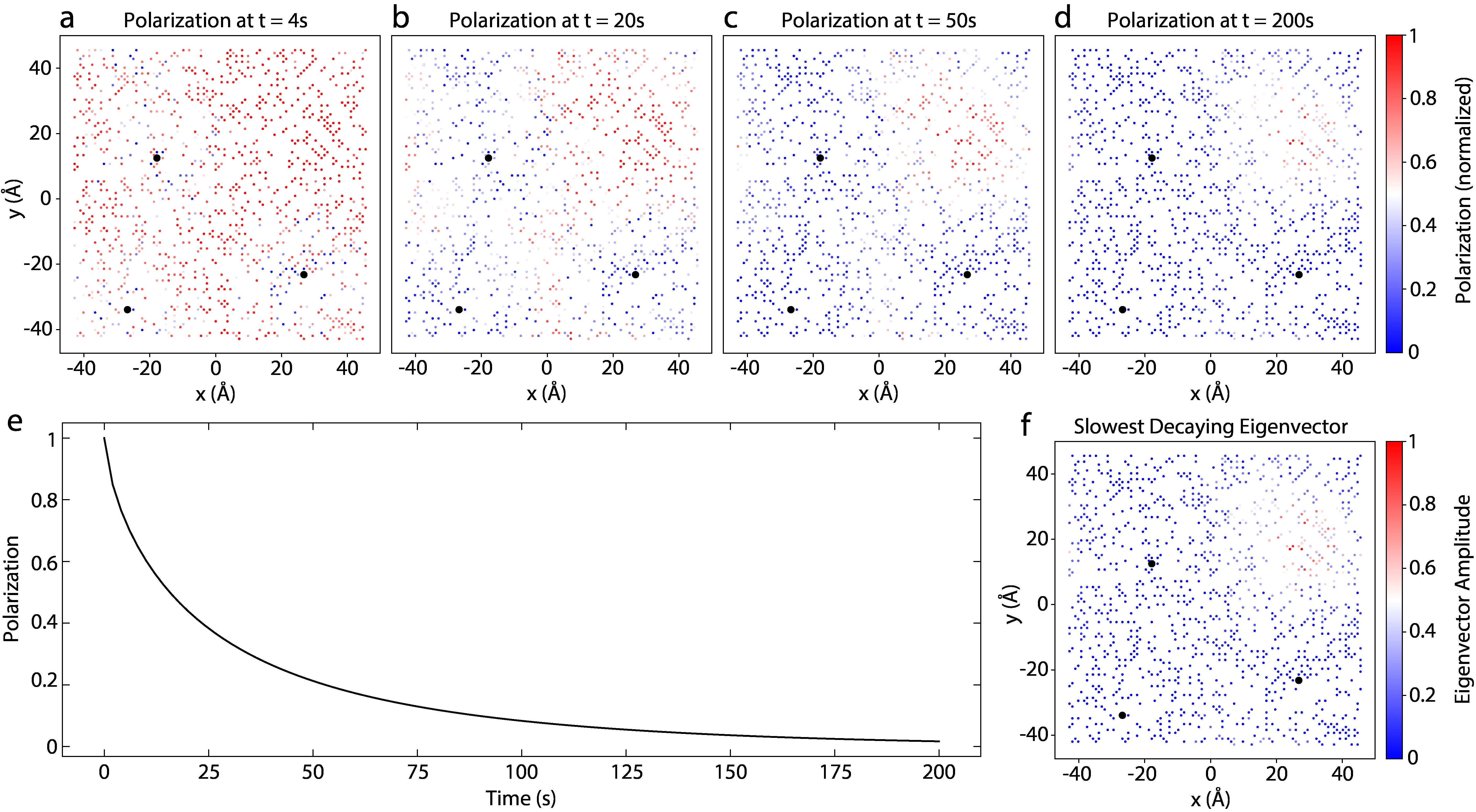
In the everyday world, order preserves and disorder destroys. But in quantum computing, this logic is turned on its head. Consider a diamond: carbon atoms with their nuclei and electrons behave like tiny magnets capable of storing a quantum "whisper"—information encoded in the orientation of their spins. Electrons, like gossips, spread this whisper almost instantly across the crystal; nuclei, communicating through magnetic interactions, pass it along leisurely, link by link. However, real crystals always have imperfections — impurities, lattice defects. These defects create quiet dead ends where information leakage does not penetrate: in such corners, the quantum whisper lives hundreds of times longer than in a perfectly ordered environment.
Using light pulses, methods of optical spectroscopy, scientists have learned to control these processes: they can dampen the electrons' "gossip" or slow down transmission along the nuclear chain. This is where entropy comes into play — a measure of chaos in the system. Usually, an increase in entropy destroys order, but here local disorder (those very defects) sets a barrier against the global collapse of the quantum state. This idea is not new: Schrödinger and von Neumann already pondered the connection between order, disorder, and information. The conclusion is paradoxical: long-lived quantum memory requires not sterile purity but a controlled dose of chaos. The analogy with household order simplifies the picture, for in the quantum world "disorder" is not dirt but structural features that, like breakwaters, dampen the destructive waves of decoherence.
At room temperature, such quantum states decay within milliseconds, but in the described experiment, the lifetime increased hundreds of times thanks to isolated "pockets" in the crystal.