Four Teenage Planets Around a Young Star express
Original: "A young progenitor for the most common planetary systems in the Galaxy"
Astronomers weighed four planets around V1298 Tau and looked into their past.
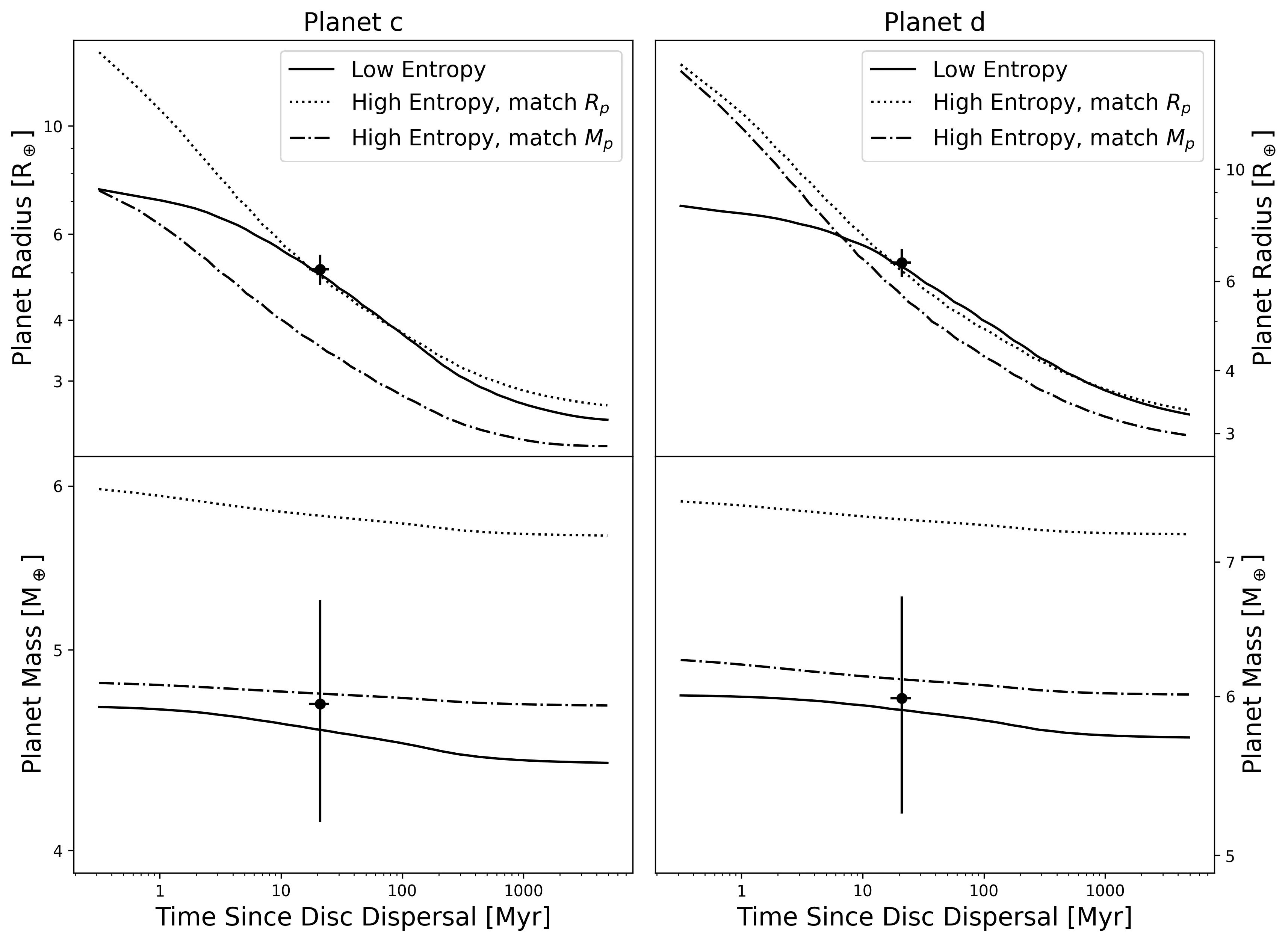
350 light-years away, four planets orbit the star V1298 Tau. They are 5–10 times larger than Earth but lighter than they appear. For nine years, astronomers tracked their motion to understand what they are made of and how they lived in the past.
The planets are lined up in a chain: their orbital periods are nearly in 3:2, 2:1, and 3:1 ratios. Because of this, they give each other slight tugs, and the timing of their transits across the star's disk shifts by a few hours.
It turns out their orbits are almost circular — meaning there were no violent collisions or encounters with other bodies in the past. The planets grew calmly, like trees in a quiet forest. After the gas disk from which they were born dispersed, they cooled quickly. Now they are fluffy, like snowballs, but over time they will shrink to the size of super-Earths, the most common planets in the galaxy.
If you placed these planets in water, they would float: their density is less than that of water.
Scientists
Christian DopplerD. B. McLaughlinDidier QuelozMichel MayorR. A. RossiterDavid Charbonneausub neptune formation
sub neptune
planetary system
red dwarf planets
mercury
super earth
solar system
mars
jupiter
multi planet systems
planet
exoplanets around red dwarfs
saturn
jupiter mass
planetary embryo
gas giant
earth radius
protoplanetary disk
young star
trappist 1