Quantum Particle Defies the Law of Friction express
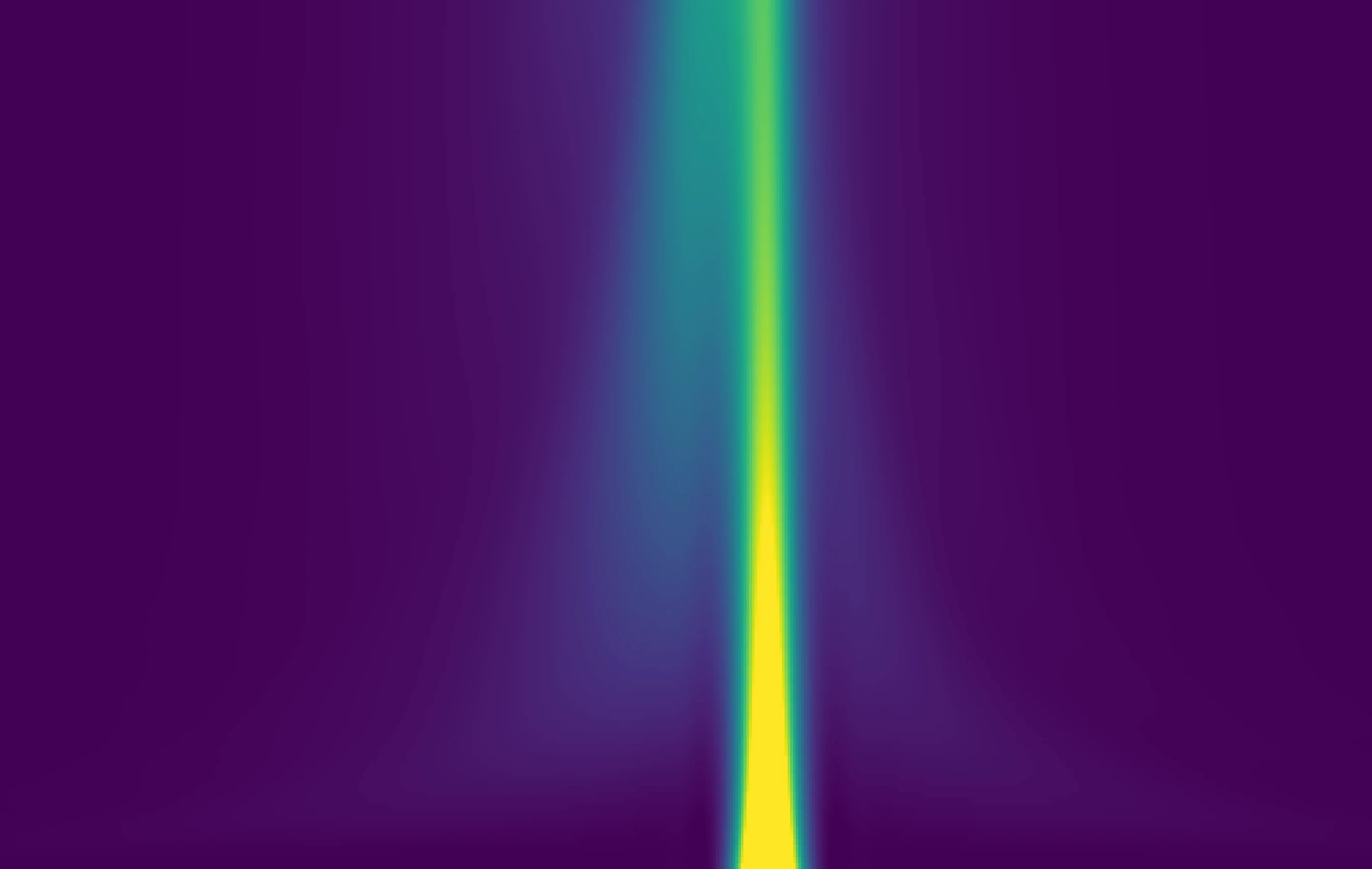
In ordinary environments, a body slows down due to friction. But in the quantum world, there is superfluidity: liquids flow without loss, like the famous helium at ultra-low temperatures. Previously, it was considered unthinkable for this to happen in a chain of particles — a one-dimensional system. However, physicists launched a foreign atom into a row of ultracold atoms. Like a bead passing through others strung on a thread: a free gap instantly appears ahead of it, and the chain closes up behind — without the slightest resistance. Even at supersonic speeds. An unexpected twist: the slower the initial push, the longer the braking lasted before uniform sliding. But ultimately, the motion always became perpetual and effortless. In the ordinary world, friction generates heat and disorder, but here — not a hint. This promises devices that transmit information without any loss.
If water could flow without friction, a thrown stone would create eternal ripples, and water in a river would never stop.