The Sun Pulls Electrons Back, Yet They Still Escape express
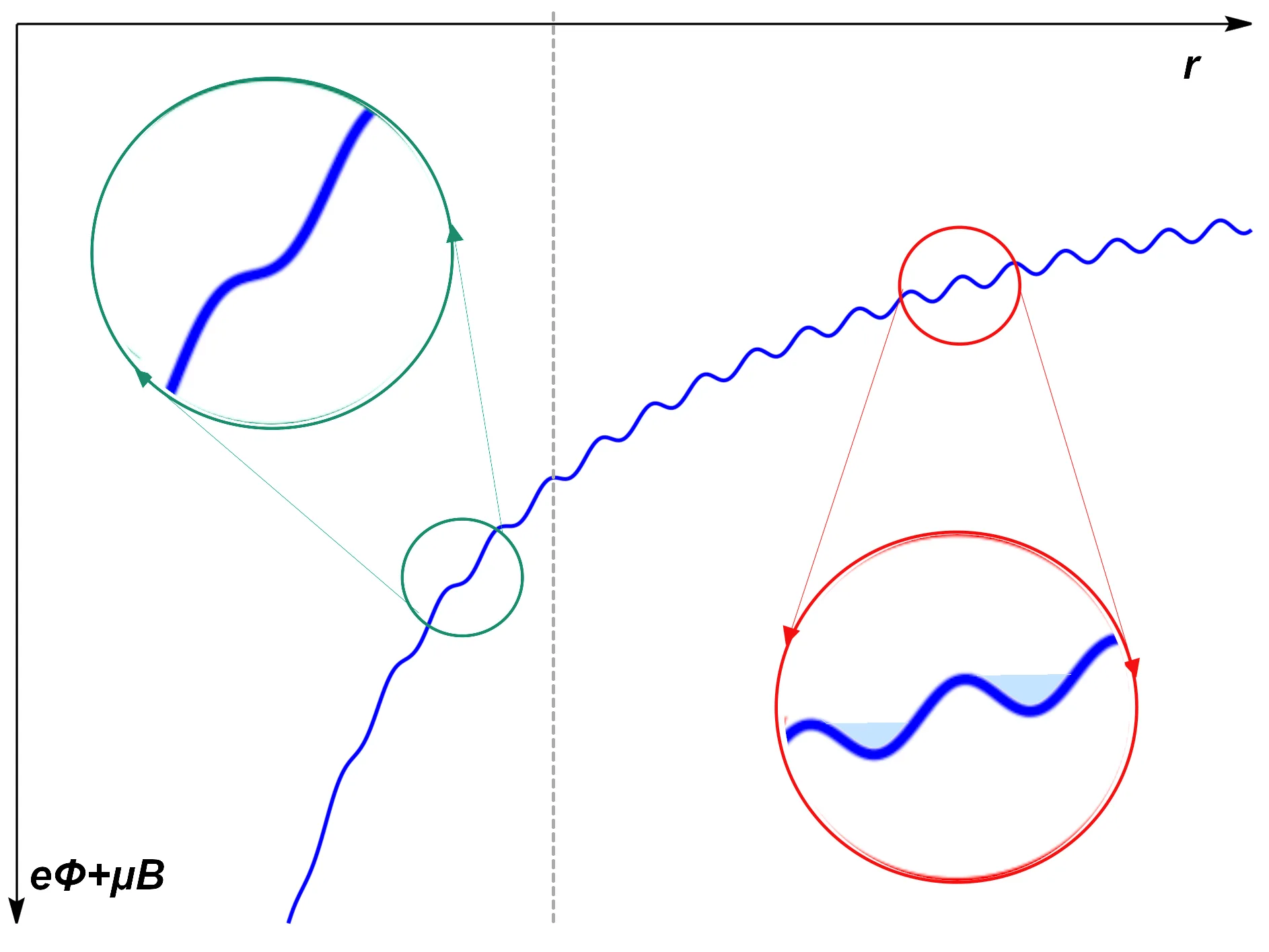
The Sun constantly emits a stream of charged particles — the solar wind. Among them are many electrons, some of which fly back toward the Sun. But observations show that fewer electrons return than expected. Previously, scientists thought the Sun's electric field, which slows particles down, was to blame.
New research offers a different explanation. In the solar wind, the magnetic field constantly fluctuates, creating small magnetic traps. These are like pockets that move along with the wind. An electron that falls into such a pocket cannot immediately return to the Sun. It escapes, but quickly falls into the next pocket. In this way, particles lose energy and remain in the wind's flow.
The scientists calculated that the measured energy boundary of electrons shows only the depth of one pocket, not the entire electric field of the Sun. In reality, the field could be several times stronger. This changes our understanding of how the solar wind accelerates. Trapped electrons form the bulk of the wind, and the electric field plays a larger role than previously thought.
So the Sun, like a shepherd with invisible pockets, holds some of its electrons in the wind's flow. And now we better understand why the solar wind is the way it is.
The solar wind blows at about 400 kilometers per second — a thousand times faster than the strongest hurricane on Earth.
In Arthur C. Clarke's novel "Solar Wind," a sailboat moves under the pressure of light, but in reality, the wind consists of particles that behave much more cunningly than science fiction writers imagined.