Astronomy Teaches Us to See the Invisible in the Brain express
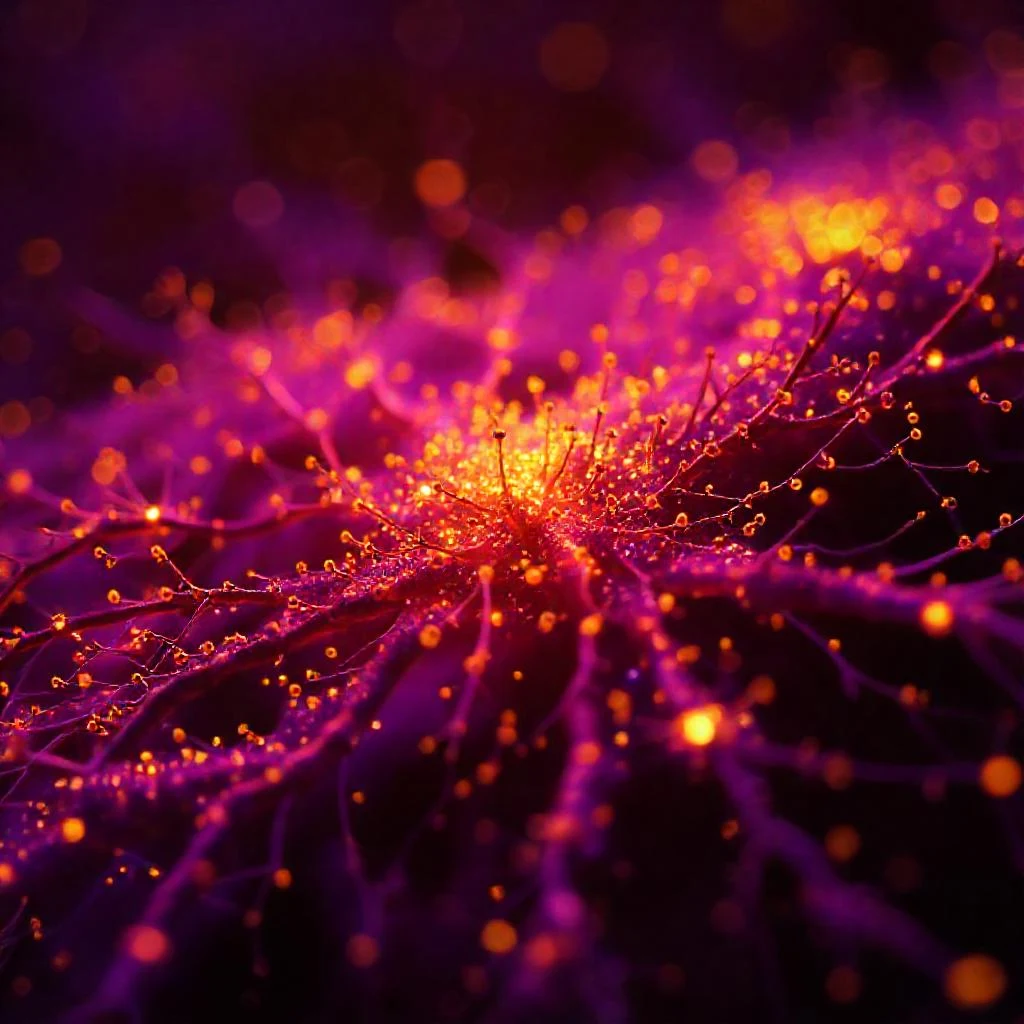
To spot a dim star above a brightly lit city, astronomers subtract one image from another — removing the glare of streetlights. They do the same with living neurons: their faint flashes drown in noise, but if you subtract everything unchanging, only they remain. Measuring brightness and frame subtraction have been honed for centuries to find supernovae in galaxies. Now the Astro-BEATS program does the same with cell recordings, catching the tiniest changes in glow.
This allows rapid processing of hours of video and training of artificial intelligence. It brings us closer to understanding the language of neurons and, perhaps, to building brain-computer interfaces.
Tiny flashes of neural activity happen all by themselves, without any external trigger. Scientists still debate what they're for.
Science fiction writers have long dreamed of telepathy and controlling machines with thought. The ability to catch the brain's hidden signals brings those dreams closer to reality.