Multilayer Bridges for Superconducting Electronics express
Superconducting circuits often rely on Josephson junctions — places where current flows without resistance through a thin barrier. Typically, this barrier is an oxide layer, but its properties are hard to control at the nanoscale. In this new work, the barrier is a thin layer of niobium or titanium nitride sandwiched between niobium layers.
The researchers fabricated three-dimensional nanobridges using electron-beam lithography and chlorine etching. The top niobium layer provides a high superconducting transition temperature, while the thin nitride layer (NbN or TiN) forms the weak link. This approach allows tuning the superconducting gap and proximity effect without using focused ion beams or oxide barriers.
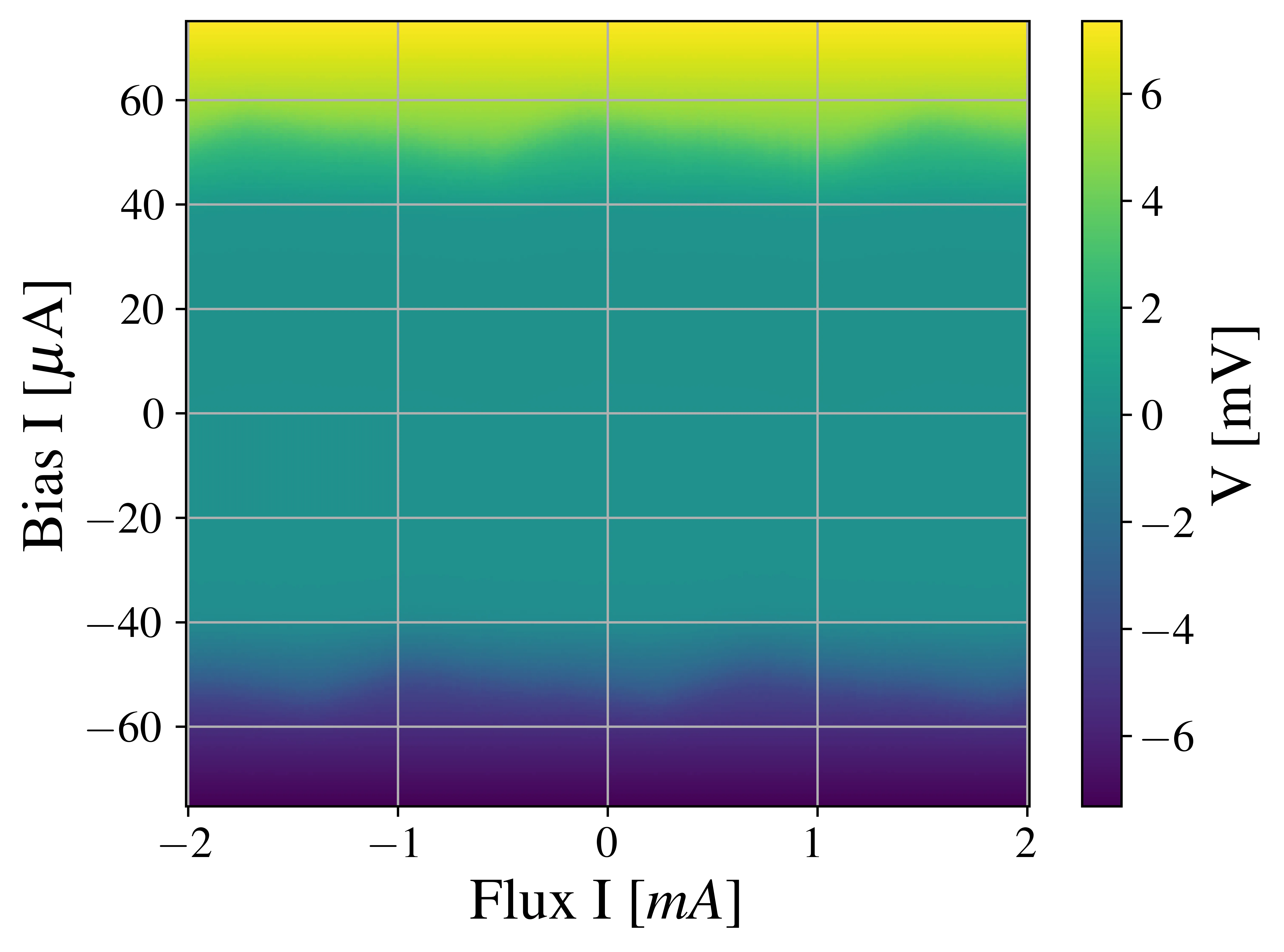
The devices were integrated into SQUIDs, ultrasensitive magnetic field sensors, and their operation was confirmed at the circuit level. This paves the way for scalable production of oxide-free Josephson junctions for superconducting electronics.
Niobium becomes superconducting at about 9.2 K — higher than liquid helium's temperature, so it can be cooled relatively cheaply.