Vacuum Turns an Ordinary Superconductor into an Extraordinary One express
A superconductor carries current without resistance, like water running through a pipe without friction. The secret lies in electron pairs: two electrons stick together as one, even though they normally repel. In an ordinary superconductor, the spins of the electrons in a pair point in opposite directions: this is the singlet state. You can compare it to two figure skaters spinning back to back.
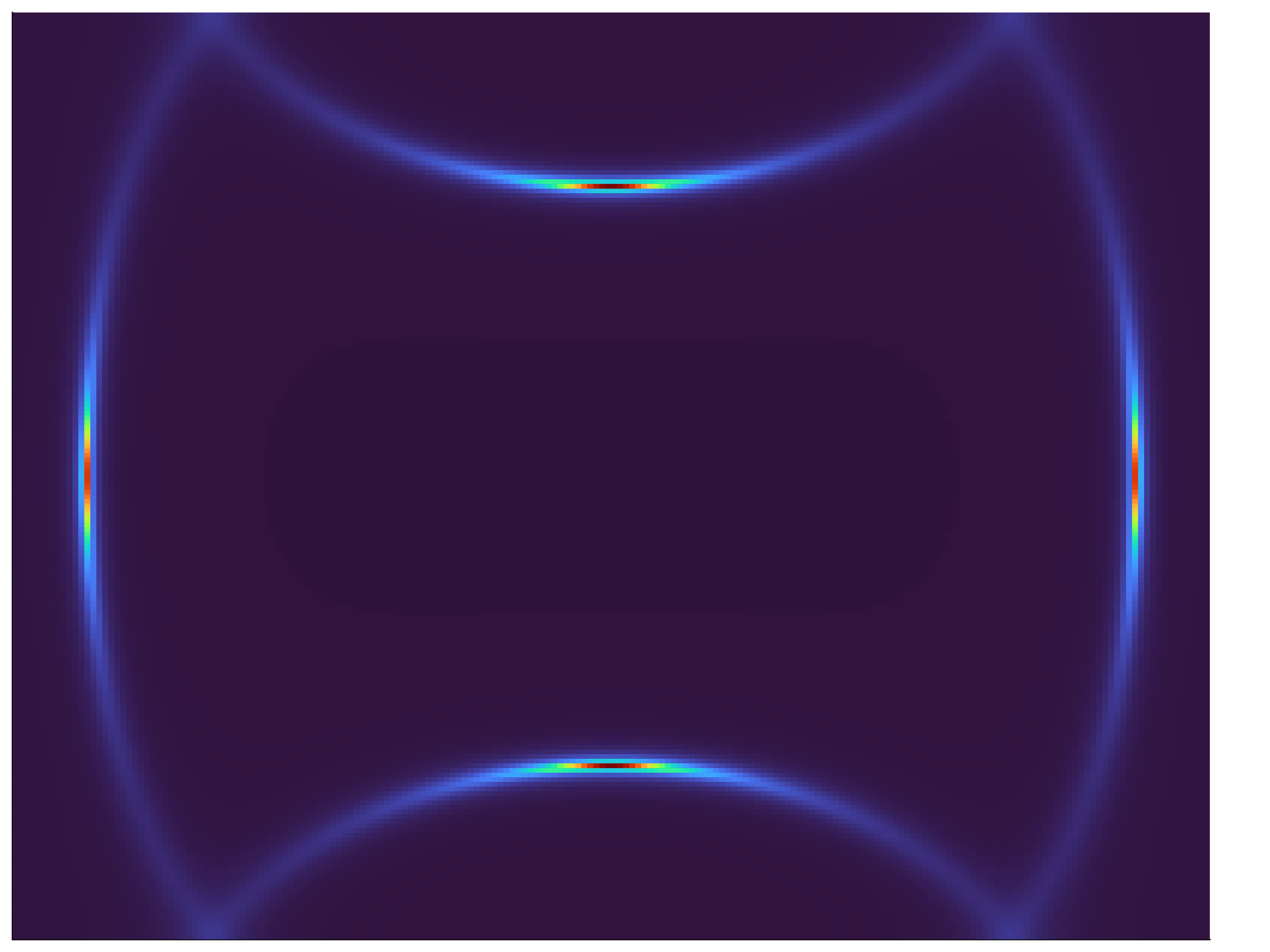
But there is another dance — the triplet, where the spins point in the same direction. It is far more finicky and almost never occurs in nature. The authors of the study showed that if you place a singlet superconductor in an optical cavity (simply put, between two mirrors at a very close distance), even in complete darkness, without a single photon, the vacuum fluctuations of the electromagnetic field retrain the electrons. The emptiness between the mirrors begins to reshape the Fermi surface: that boundary in momentum space where electrons can still participate in conduction. Depending on how the field's polarization is oriented, the vacuum either leaves the singlet dance intact or forces the pairs to rearrange into a triplet.
Such a trick is important for topological superconductivity — a state where special Majorana modes emerge at the edges of the material, promising for quantum computing. The study shows that the vacuum is not mere emptiness but an active participant in the quantum game, capable of switching phases of matter without a single touch.
Triplet superconductivity was first discovered in strontium ruthenate in 1994, and since then physicists have been looking for ways to stabilize it in other materials. It turns out that simply choosing the right mirrors might be enough.
In Peter Watts's novel Blindsight, alien beings use quantum effects for instantaneous communication — perhaps triplet superconductors would make an ideal medium for such communication.