Invisible Waves Make a Plate Ring express
Gravitational waves are not vibrations of matter, but tremors of spacetime itself, predicted by Albert Einstein. They travel at the speed of light and pass through objects, stretching and squeezing them. In the 1960s, Joseph Weber proposed catching these ripples with massive objects that would respond to them like a bell to the wind.
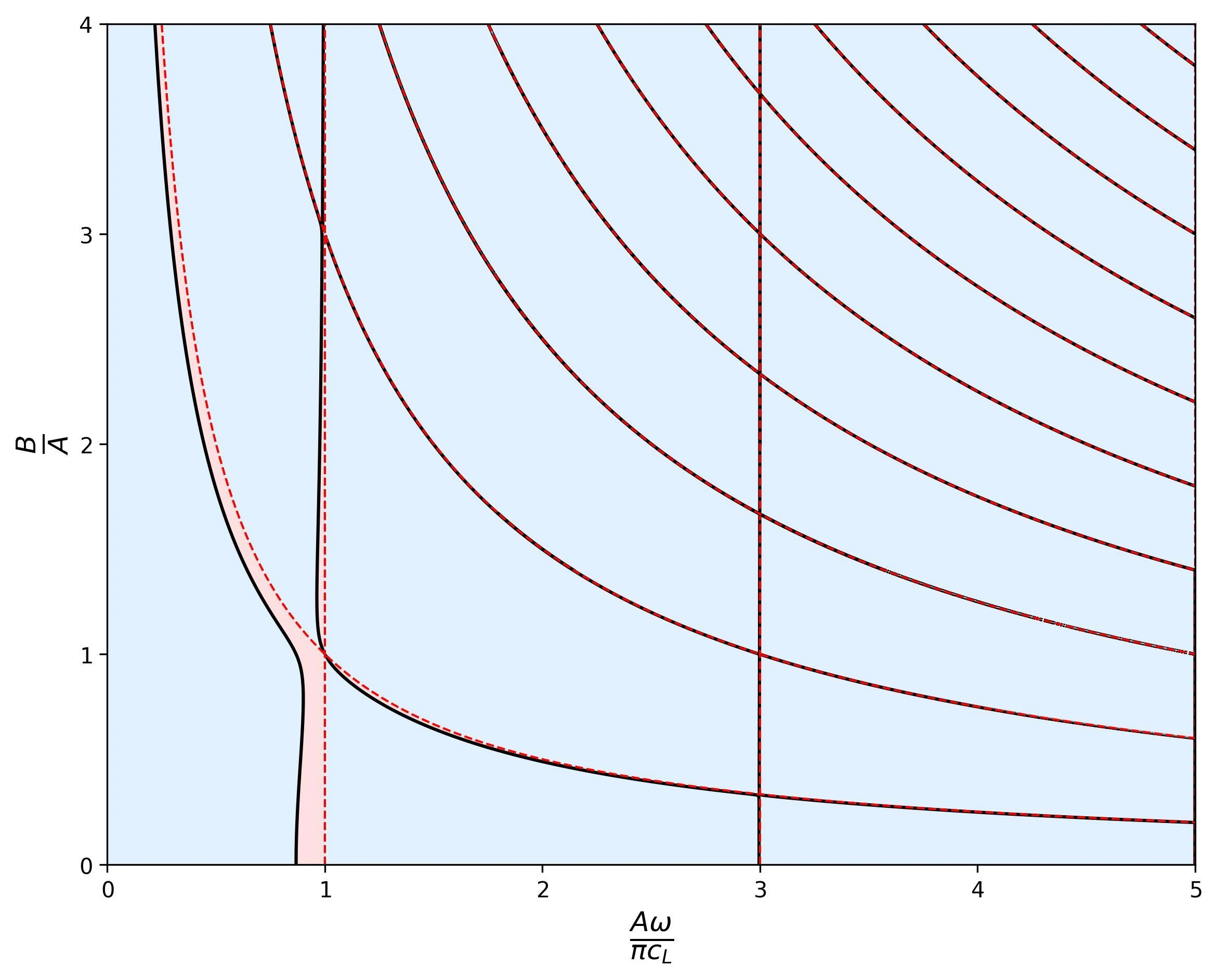
In a new study, physicists calculated how a thin plate made of a material with zero Poisson’s ratio (meaning it doesn’t expand sideways when compressed, like cork) vibrates under the influence of gravitational waves. For that case, the equations simplify dramatically, and exact formulas for displacements and absorbed energy were found.
But the most unexpected part is the reverse effect: the trembling plate itself emits secondary gravitational waves, however faint. So the bell doesn’t just hear the wind: it answers with its own ringing. This two-way energy exchange is crucial for the precision of detectors, even though modern instruments have long since evolved from simple aluminum cylinders to laser interferometers.
Cork is one of the few natural materials with a Poisson’s ratio close to zero. This is exactly what makes it ideal for sealing bottles: when compressed, it hardly expands sideways.