Nereid — Neptune's Native Moon ✛ ✎ ✦
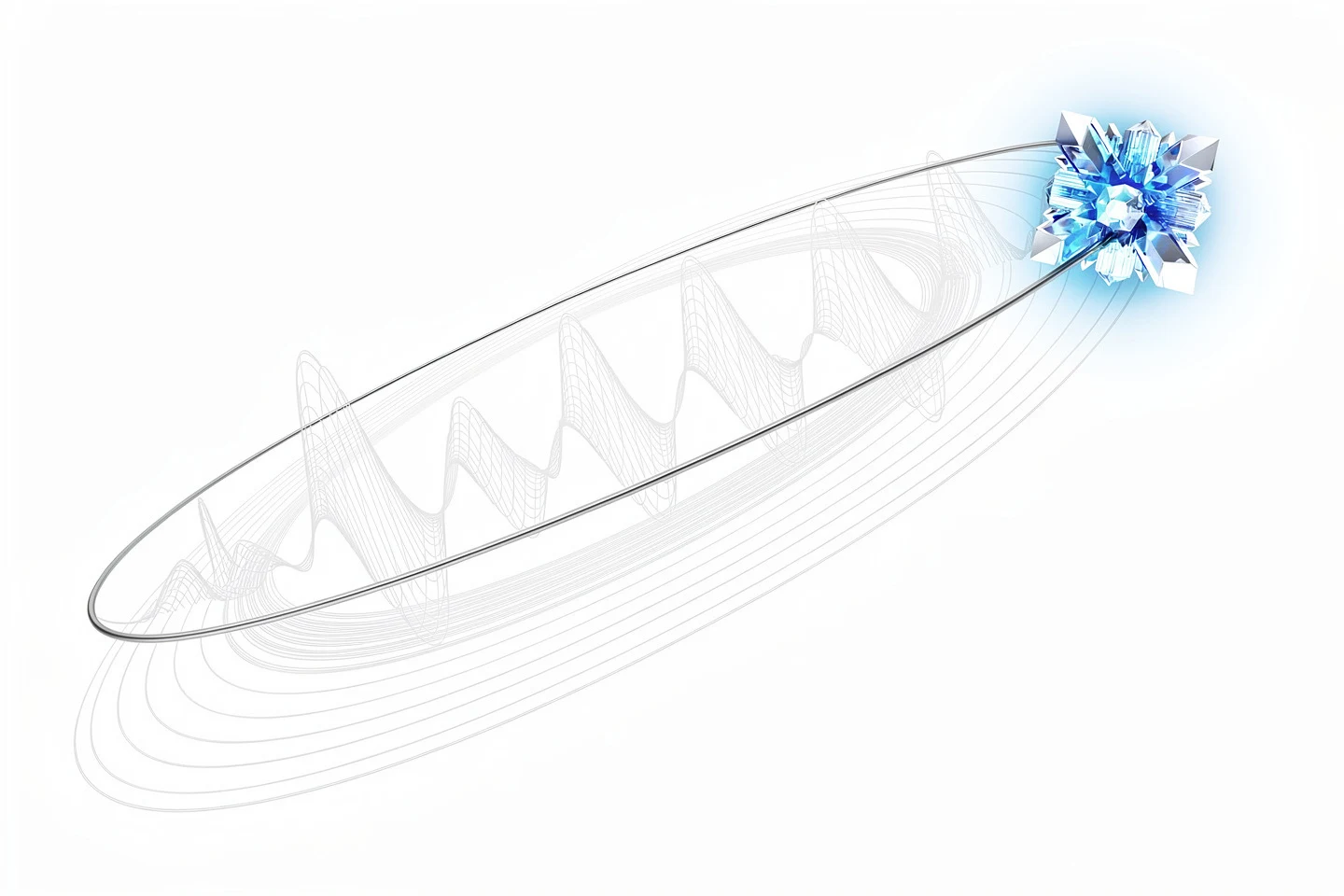
Astronomers long thought Nereid, Neptune's third-largest moon, was a captive from the asteroid belt: its stretched orbit looked like a sign of capture. But the James Webb Space Telescope prompted a rethink.
It seems Nereid took a hit. The giant moon Triton, like a bowling ball, smashed into Neptune's old moon system and scattered one of them to the outskirts. This 'pin'—a 345-kilometer icy world, roughly the distance from New York to Boston — became a moon with the most eccentric orbit: it swoops close to the planet, then swings far out, seven times farther away.
The JWST broke down its light to analyze its makeup. The surface has water ice and carbon dioxide, but the brightness and reddish tint don't match comets or icy asteroids. The culprit may be organic molecules — the same kind that form an oily film. So Nereid turned out to be Neptune's sole surviving native moon, and its story helps explain how exomoons survive cosmic collisions around distant stars.
Nereid was discovered in 1949 and named after the sea nymphs, daughters of Nereus. The name fits perfectly: the moon almost seems to dance on its eccentric orbit.