Quasi-Stars: The Mystery of the Red Dots Unveiled ✛ ✦
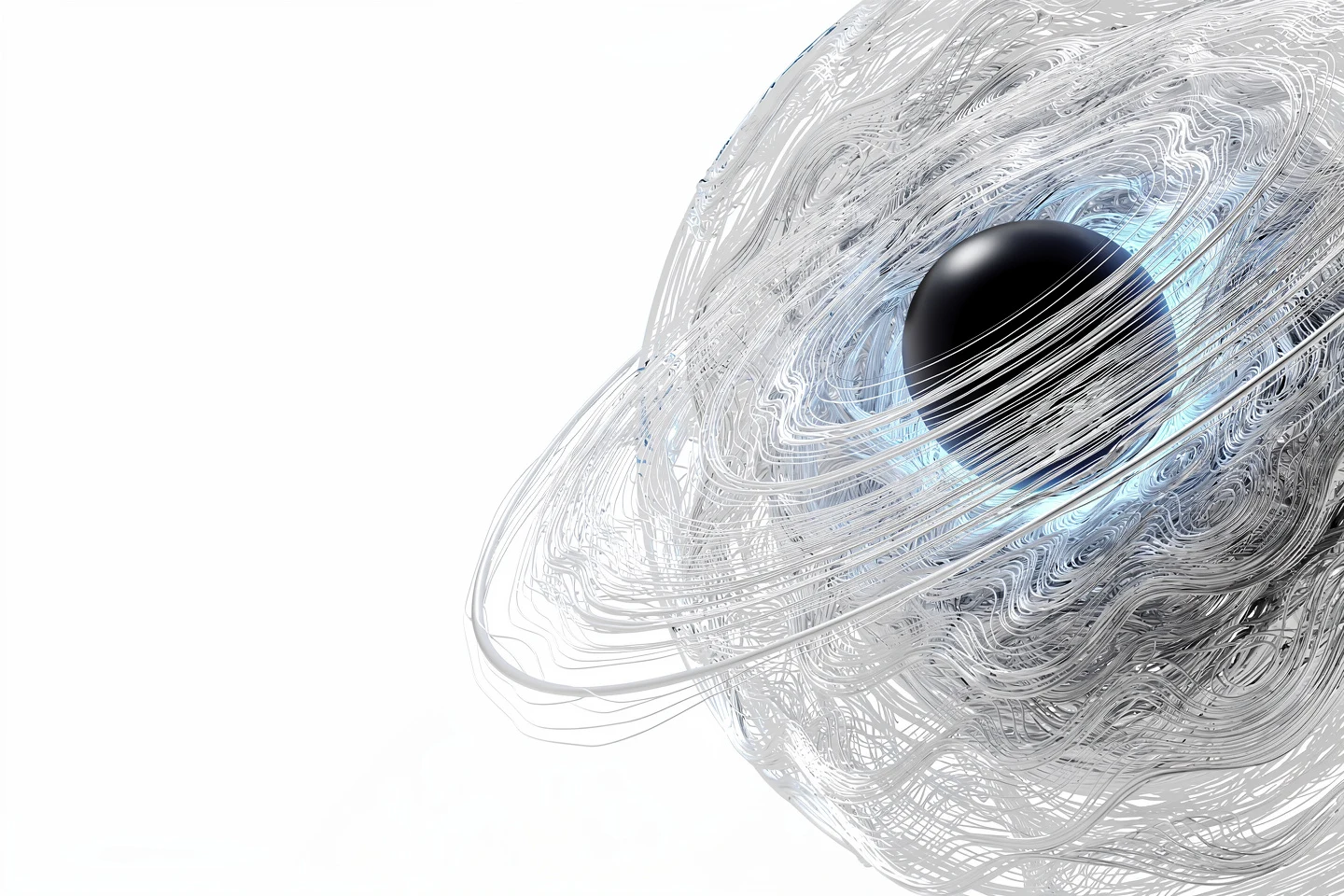
The James Webb Space Telescope peered into an era 500 million years after the Big Bang, when the expansion of the universe was happening at breakneck speed. Among the early galaxies it spotted anomalously compact objects — Little Red Dots. Analysis showed each dot is a black hole inside a dense gas cocoon. The cocoon acts like a lampshade: it absorbs blue light, letting only red and infrared through. Spectroscopy — splitting light into colors — confirmed the resemblance to a 'light bulb under a lampshade' model. A quasi-star shines a billion times brighter than the Sun, but because of the shell, it appears as just a faint dot, even though it's as big as the entire Solar System. Inside, a future quasar is growing — such objects were first described by Maarten Schmidt, and the mechanisms of their growth were studied by Stephen Hawking. This discovery explains how supermassive black holes gained mass so early. The model doesn't yet account for helium lines and an excess of cosmic dust, but the main point is clear: red dots are a brief but violent stage before turning into ordinary quasars, visible to the eye of Edwin Hubble a century ago.
A quasi-star emits a billion times more light than the Sun, but because of the gas lampshade, it appears from Earth as only a faint red dot.