Buffer for Light: A Step Toward the Quantum Internet express
Data on the internet travels at the speed of light through fiber optics. In classical networks, delays aren't critical, but for quantum communication, perfect synchronization is essential: particles of light with encoded information must converge at the detector in the same instant. The problem is that, after traveling different routes, they get out of sync — like ingredients of a dish that finish cooking at different times and have to wait for each other.
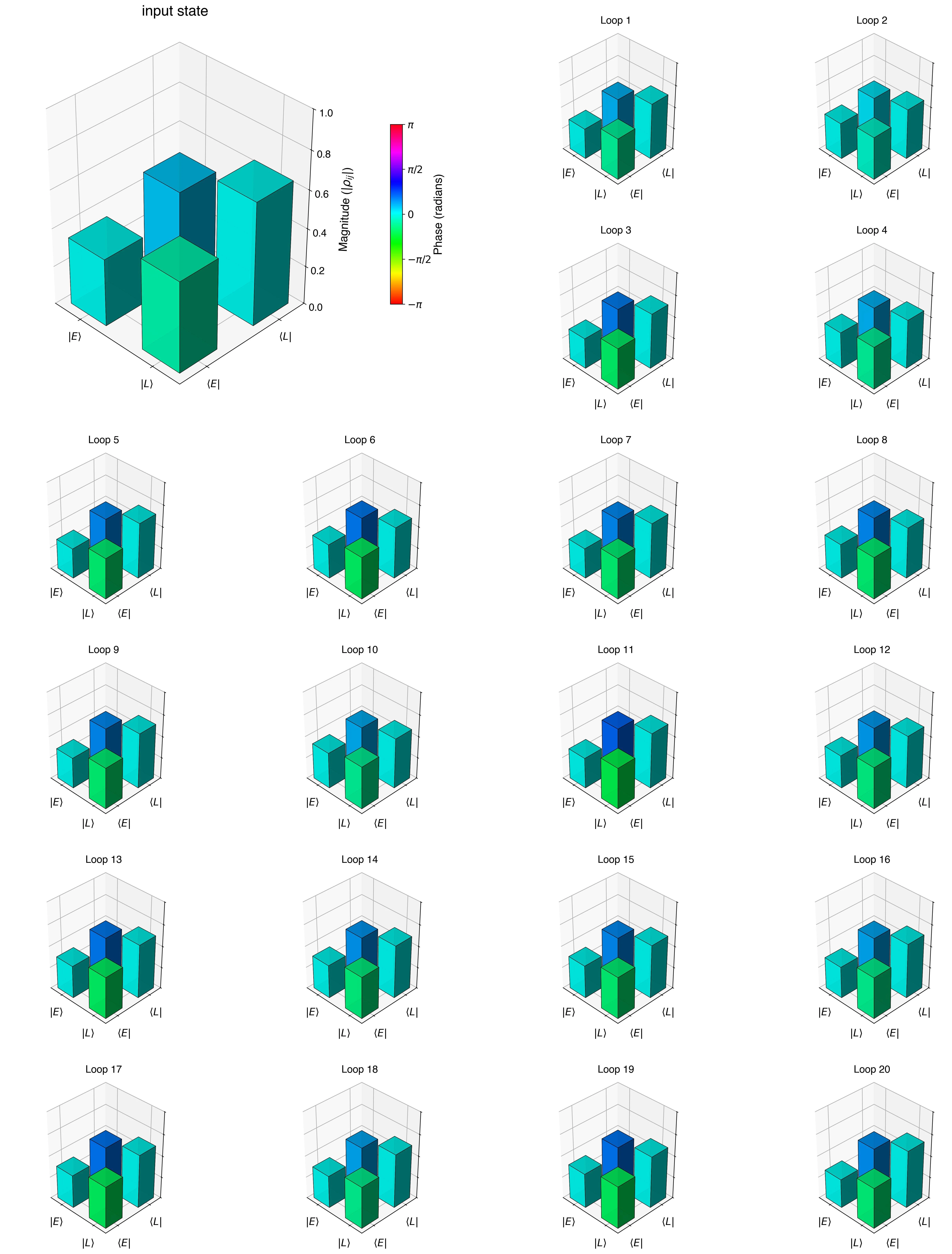
A new optical buffer solves this problem like a kitchen warmer: it holds light pulses until they're all ready to be 'served.' The device forces light into a fiber optic loop, where it runs nearly 4 kilometers in 18 microseconds — and all at room temperature, with losses under 0.5 decibels (practically unnoticeable). This buffer can hold over 200 pulses at once and works across the entire operational spectrum of long-distance communication.
What's more, the buffer even preserves quantum entanglement — that spooky connection between particles experimentally confirmed by Alain Aspect. And without lasers, whose foundations were laid by Charles Townes, such photonics would be impossible. So a simple fiber optic loop, resembling a kitchen gadget, brings us closer to a global quantum internet.
Almost all intercontinental communication operates in the 1530–1565 nm range — the only one where fiber optic glass is so transparent that a signal can travel hundreds of kilometers without amplification.
The dream of a quantum internet sometimes evokes the fictional 'ansible' — a device for instant communication across galaxies, though in reality even it doesn't violate the speed of light limit.