Cosmic Radio Bursts: A Mystery a New Telescope Will Unravel express
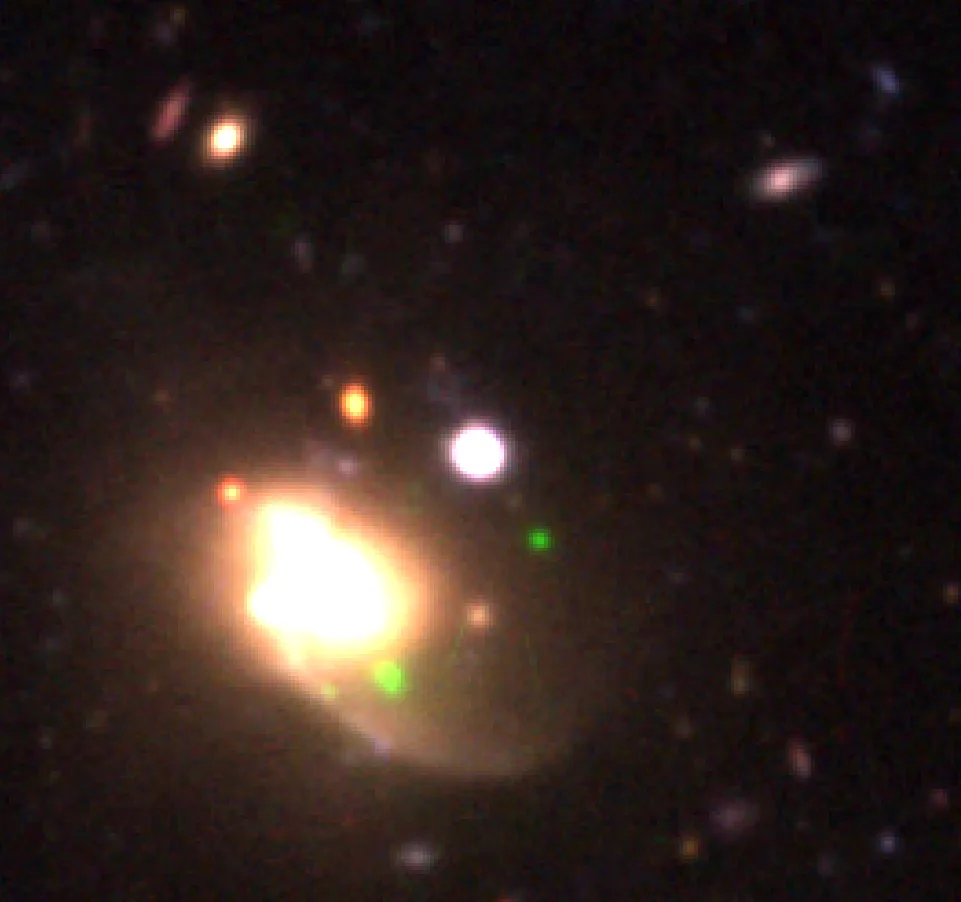
Somewhere deep in space, a radio beacon flashes for a fraction of a second, and then goes dark. Such signals are called fast radio bursts. They come from other galaxies and last from microseconds to milliseconds. In that instant, a burst releases as much energy as the most powerful explosions on neutron stars in our Milky Way. But what exactly serves as such a beacon remains a puzzle.
The prime suspect is a magnetar — a neutron star with a monstrous magnetic field. However, the evidence also points to other culprits: a pair of neutron stars interacting magnetically, or a black hole pulling in matter. The diversity of bursts and their birthplaces hints that there may be several mechanisms, like different orchestras playing the same melody, each in its own style.
The new instrument — the SKA radio telescope (Square Kilometre Array)—promises to be the ideal detector for these signals. Its antennas will spread across the Southern Hemisphere, covering the same patch of sky as the Vera Rubin Observatory. SKA will be more sensitive than current survey telescopes, will be able to search for bursts lasting up to tens of microseconds, and will cover frequencies from 50 megahertz to 15 gigahertz, like listening to the cosmos on all radio waves at once.
Unraveling the nature of fast radio bursts will not only help us understand how these cosmic beacons work, but also allow us to use them to measure distances in the Universe. The bursts will become a ruler calibrated by the very physics of extreme objects. And then a mysterious flash lasting less than a heartbeat will tell us about how the cosmos expands.
If you could hear radio waves, a fast radio burst would sound like a single click, so brief that the human ear couldn't discern a pitch in it.