Can life travel between stars on icy comets? express
Tiny seeds of life can cross the black void on icy wanderers like comet 3I/ATLAS. The James Webb Space Telescope found water and methane on it for the first time, and light analysis revealed an unusual gas composition.
Microbes deep in the ice can stay alive for millions of years — like bacteria in permafrost. If there are warm pockets inside the comet, even a handful of microorganisms would quickly produce the observed methane. But if the ice is completely frozen solid, the signal would require a biomass the size of an asteroid. The paradox is that the same methane signature can come from a mountain of frozen life or a tiny active oasis.
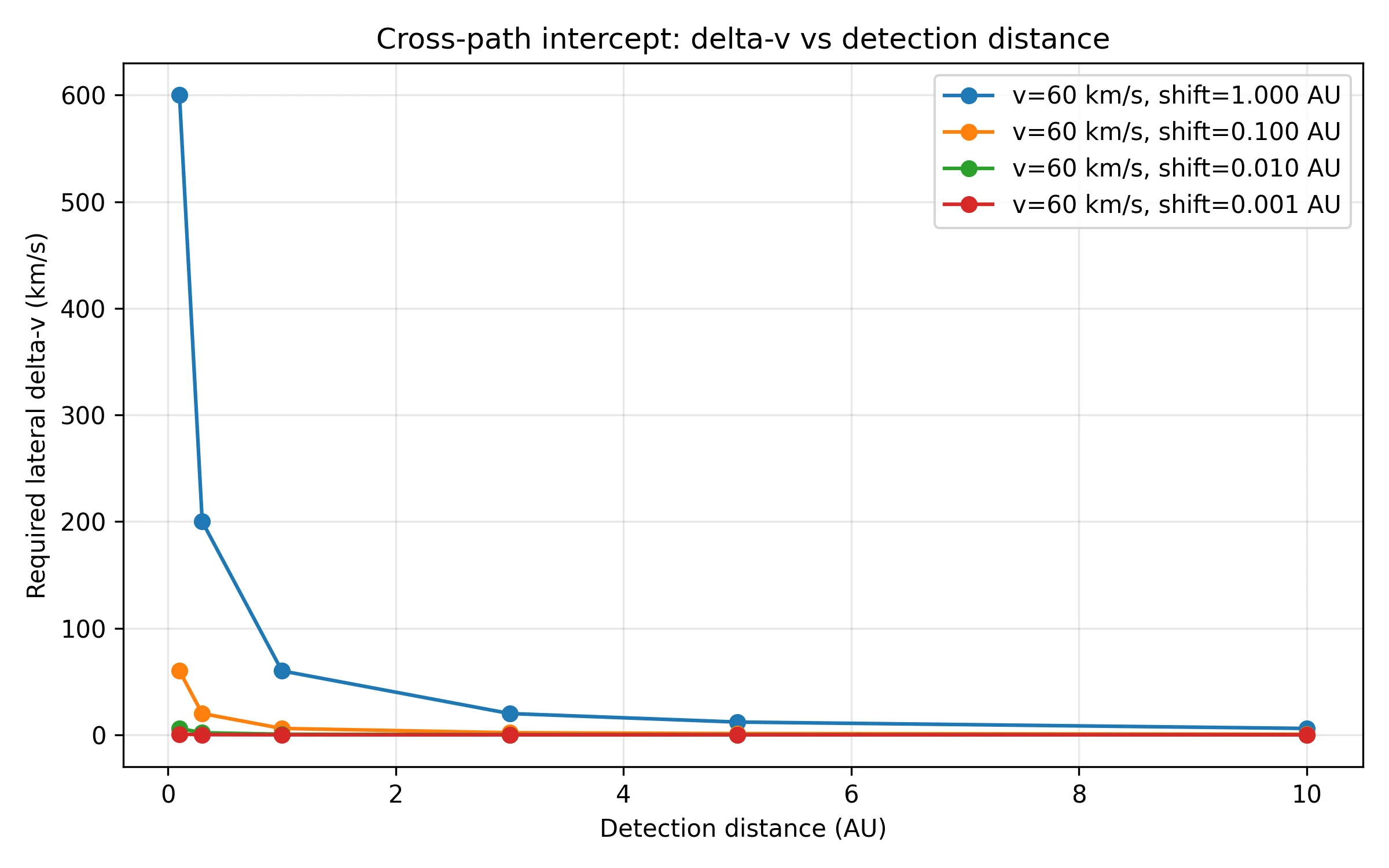
Intentional seeding by another civilization is doomed: at 60 kilometers per second, an impact with a planet releases energy equal to the explosion of 430 kilograms of TNT per kilogram of material. Any biological capsule would instantly vaporize. That's why interstellar visitors are not someone's ships, but natural laboratories that help search for life without confusing nature and engineering.
When landing on a planet, each kilogram of such a 'seed' would explode like 430 kg of TNT — no life could survive.
The plot of intentional planet seeding reminds of 'Prometheus': mysterious goo as seeds of life from ancient engineers.