The Universe Could Have Lingered in a Hot Start express
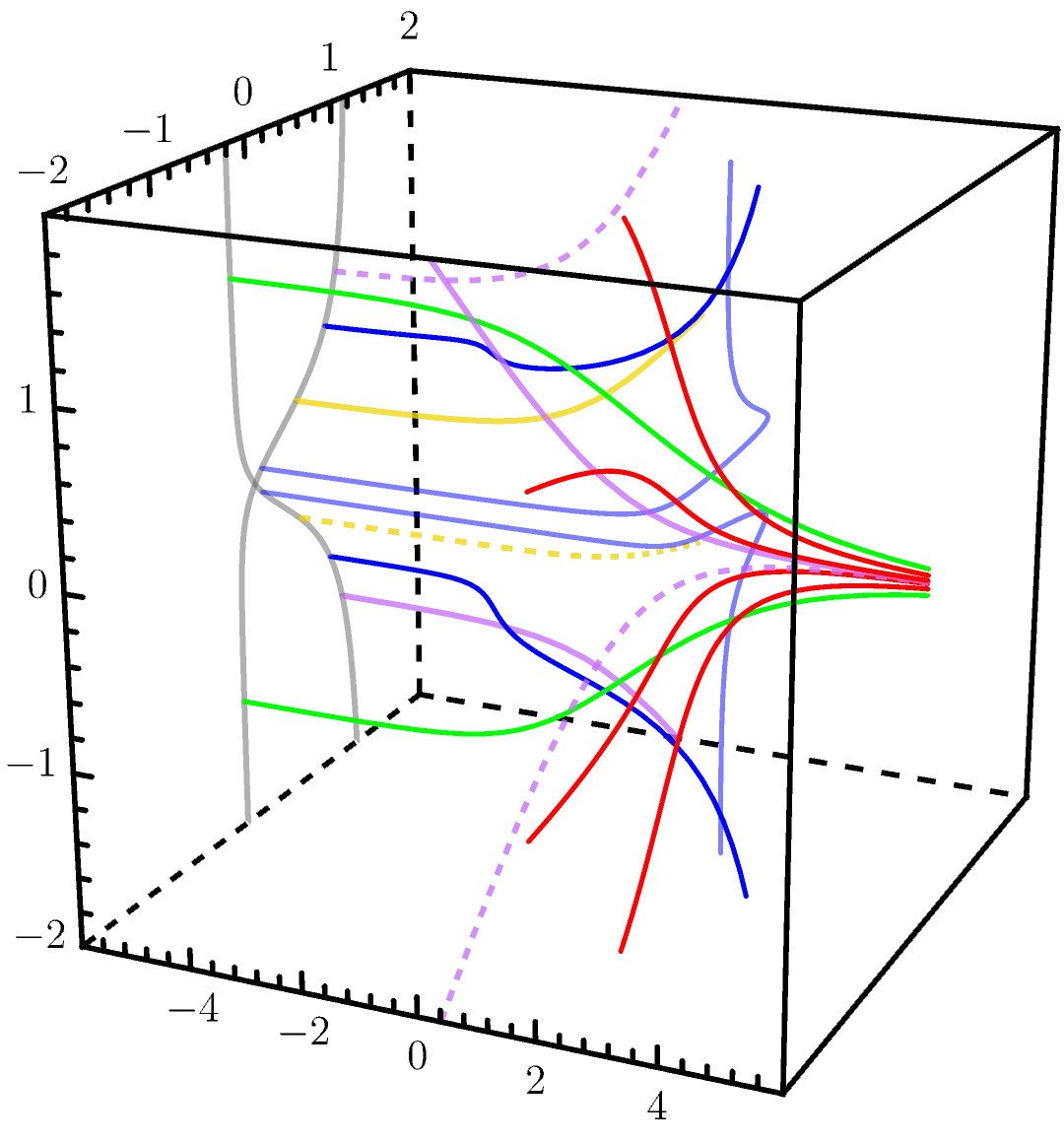
Space is expanding, and that expansion is accelerating. But what if, in the first instants after the Big Bang, gravity behaved differently? The authors of a new study added an invisible field to Einstein's equations that siphons energy from ordinary matter and radiation. Instead of curving spacetime, this energy goes into the field, like a spring compressing without pushing against the walls.
In the early universe, such a field could have nearly stopped expansion. Light would have had time to cross the entire observable volume many times, mixing the temperature into uniformity. This solves the horizon problem: opposite patches of the sky look the same, even though by standard calculations they were never in contact. The scenario is called the "early static hot universe," as opposed to inflation, where space expanded faster than light.
The field was also tried on the cosmological constant problem: that same dark energy pushing the modern cosmos apart. In theory, the field could absorb it, making it invisible to spacetime curvature. But so far the model cannot transition from this stage to the usual hot expansion: it gets stuck in the past, like a record skipping on one groove.
In cosmology, the horizon is not the edge of an abyss but simply the distance light has traveled since the beginning of time. If the universe once nearly stood still, the horizon could encompass far more matter than during rapid expansion.
In Asimov's novel "The Last Question," humans seek a way to reverse the heat death of the universe — here, the early cosmos itself finds a temporary equilibrium, as if hovering before a leap.