A Cold Crystal Catches Dark Matter express
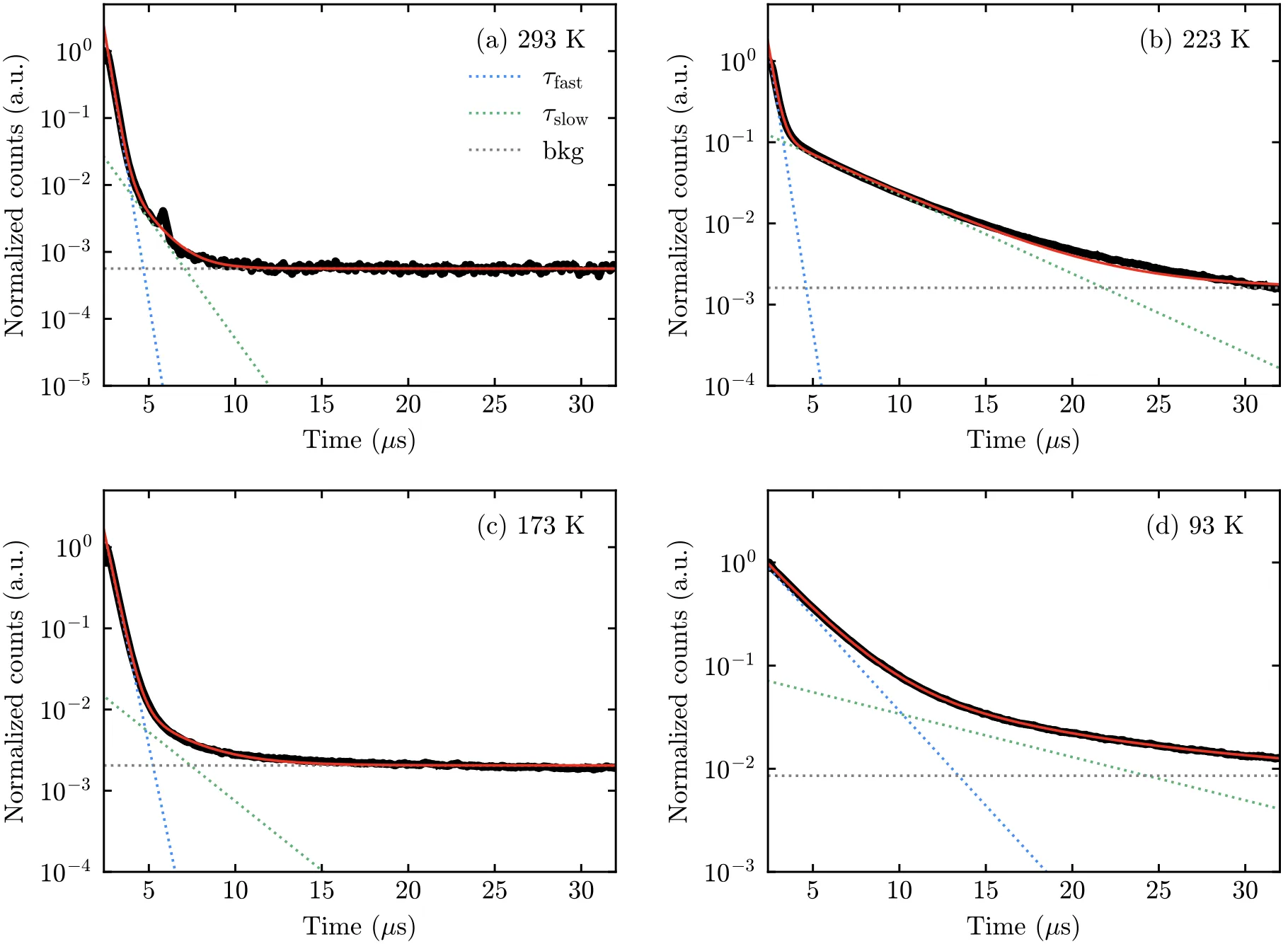
A sodium iodide crystal doped with thallium is like photographic film for invisible particles. When a gamma ray or a hypothetical dark matter particle hits it, it flashes with faint light. Two silicon photomultipliers pressed against the crystal's ends catch the flash from both sides. In the new study, a crystal measuring 6 by 6 by 13 millimeters was cooled to minus 179 degrees Celsius for the first time and its glow was tested at various temperatures.
It turned out that at minus 35 degrees Celsius, the crystal emits 34.5% more light than at room temperature: 17.7 photoelectrons per kiloelectronvolt of energy. The flash becomes brighter and easier to distinguish from random noise. Two detectors working together help filter out thermal noise: a signal is counted only if both see the flash simultaneously. It's like two guards who confirm each other.
This approach lowers the detection threshold — the detector starts noticing weaker events. For dark matter and neutrino searches, this is crucial: the lower the threshold, the better the chances of catching a rare particle.
When the crystal is cooled, the light yield increases by a third, even though semiconductor detectors usually require deep cooling, while scintillators are almost temperature-independent.