Quantum entanglement extraction refers to a set of techniques for generating pairs of entangled photons — particles of light whose quantum states are linked so that measuring one instantly affects the other, regardless of distance. The seed definition mentions generating these from vacuum or other quantum states, and the corpus titles show a rich variety of physical systems that can serve as sources: cold atomic clouds, hot vapor, trapped ions, quantum dots, optical cavities, and even sunlight. The common thread is that these systems are engineered to emit photons in correlated pairs, often through nonlinear optical processes or by exploiting the quantum properties of matter.
التاريخ
The concept of entanglement dates to the 1935 Einstein-Podolsky-Rosen paper, but the first experimental generation of entangled photons was achieved by Alain Aspect and colleagues in the early 1980s using atomic cascades. The field expanded rapidly after the development of SPDC in the late 1980s and early 1990s, which became the workhorse for entanglement sources.
كيف يعمل
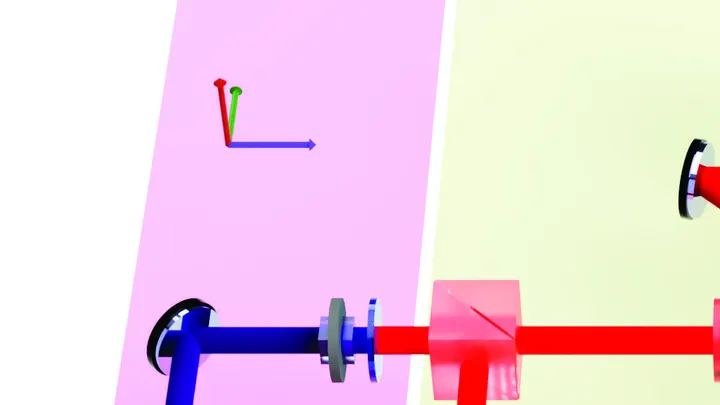
The mechanisms vary by platform. In spontaneous parametric down-conversion (SPDC), a nonlinear crystal splits a single high-energy photon into two lower-energy entangled photons. In atomic systems, a laser excites an atom or ion, which then decays through a cascade emitting two photons whose polarizations or momenta are entangled. Quantum dots can emit entangled photon pairs via the biexciton cascade, where two electrons and two holes recombine in a specific sequence. Optical cavities enhance these processes by confining light and increasing interaction times. The key is that the emission pathways are quantum-coherent, meaning the system does not 'choose' a definite outcome until measured, preserving entanglement.
في التطبيق
Entangled photon sources are essential for quantum key distribution (secure communication), quantum teleportation experiments, and quantum computing architectures that use photonic qubits.
حقيقة طريفة
Sunlight, despite being a chaotic thermal source, can be filtered and manipulated to produce entangled photon pairs, as demonstrated in a 2022 experiment.
الضوء ليس مجرد أشعة مستقيمة، بل موجات كهرومغناطيسية قادرة على الالتفاف في الفضاء، مثل ثنائي يؤدي رقصة الفالس. الفيزيائيون يسمون هذا اللف الكلي بالزخم الزاوي المداري، وكان يُعتقد لفترة طويلة أنه يخضع لـقانون الحفظ — مبدأ أساسي ينبثق من تماثلات الطبيعة التي اكتشفتها إيمي نويثر.
قارع الطبل يصمت، لكن من خلال فترات الصمت يمكن معرفة أين لم يضرب. وهكذا بنى الفيزيائيون الصورة، ليس بالتقاط الضوء، بل بالتقاط لحظات الظلام المطلق. صورة ظهرت من الصمت.
في التجربة، وُجّه ضوء مصباح عادي إلى الجسم. ثم استُبعدت بلا رحمة جميع الومضات التي انعكست فيها الفوتونات عن الجسم.
يسقط شعاعان ليزريان بلونين مختلفين على بلورة، وداخلها تولد من حين لآخر ثلاثيات من جسيمات الضوء – مثل ثلاث عملات معدنية تخرج من فتحة واحدة في آلة بيع. هذا هو أول مرة يتمكن فيها الباحثون من إجراء هذه العملية بكفاءة كافية: في كل ثانية، حصلوا على 11.6 ثلاثية.
كان الشعاعان أخضر وأشعة تحت حمراء غير مرئية. داخل البلورة، تجمعت طاقتهما وتحولت إلى ثلاثة جسيمات جديدة تتناثر في اتجاهات مختلفة.
نقطة كمومية بحجم فيروس، محصورة بين مرآتين، تولد فوتونين عند ومضة ضوء قصيرة. يخرج هذان الفوتونان كزوج، ويكون استقطاباهما – أي اتجاهي اهتزاز الموجتين – مرتبطين بحيث أن معرفة أحدهما تعرف الآخر فورًا. هذا الارتباط يسمى التشابك الكمومي، وهو ضروري للاتصالات الكمومية والحوسبة الكمومية.
العدو الرئيسي لهذا الارتباط هو اهتزاز ذرات البلورة بسبب الحرارة.
ضوء الشمس تيارٌ هائج يحمل أزواجًا لا تنفصل من القطرات. هكذا يبدو التشابك الكمي: جسيمان مرتبطان بشدة لدرجة أن اهتزاز أحدهما ينعكس فورًا في الآخر. في السابق، كان إنتاج هذه الأزواج يتطلب ’بركة هادئة‘ – شعاع ليزر مضبوط بدقة.
المصباح اليدوي في الضباب الكثيف عديم الفائدة: الشعاع يتشتت، والضوء المنعكس يغرق في التشويش. لكن إذا ربطت فوتونين بخيط غير مرئي، يمكن لأحدهما أن يعبر الضباب ويعود بينما يبقى الآخر في أمان. هذا الارتباط يسمى التشابك الكمومي (quantum entanglement) — عندما تتصرف جسيمتان ككيان واحد حتى لو كانتا بعيدتين عن بعضهما.
في التجربة الجديدة، وُلدت أزواج من الفوتونات المتشابكة في دائرة بصرية خاصة.
تدخل نبضة ليزر إلى تجويف صغير جدًا مصنوع من بلورة شفافة. داخل التجويف، يرتد الضوء بين المرايا، وأحيانًا ينقسم فوتون واحد إلى زوج: أحدهما يتجه في اتجاه، والآخر في اتجاه آخر. يصبح أحدهما إشارة، بينما يعمل الآخر بمثابة "جرس" يخبرنا بأن الفوتون المفرد جاهز. هذا المصدر لا يُصدر الفوتونات وفق جدول زمني، لكنه يخبرنا بدقة متى ظهر الفوتون المفرد.
أيون كالسيوم منفرد يطفو في مصيدة مفرغة، تمسكه مجالات كهربائية كما تمسك وعاء غير مرئي حبة بازلاء. حوله مرآتان تشكلان تجويفًا بصريًا: يتردد الضوء بينهما معززًا التفاعل مع الأيون. يجبر العلماء الأيون على إصدار فوتون، فيكون هذا الفوتون متشابكًا مع الحالة الداخلية للأيون — كما لو أن عملة في يدك وانعكاسها في مرآة يُظهران دائمًا الوجه نفسه.
ضوء المصباح العادي هو فوضى: فوتونات تتطاير في كل اتجاه دون أي نظام. لكن إذا جعلت العديد من الذرات تصدر الضوء في وقت واحد وبإيقاع متناسق، تحصل على وميض قصير قوي — مثل تصفيق يتحول من تصفيقات فردية إلى هتاف واحد. هذا الإشعاع المتناسق يسمى الإشعاع الفائق (superradiance). ومن الصعب الحصول عليه: يجب أن تكون الذرات قريبة جدًا من بعضها لتشعر بجيرانها.
الليزر العادي يُصدر الفوتونات واحدًا تلو الآخر، مثل صنبور يقطر ماءً. ولكن ماذا لو احتجنا عدة جسيمات ضوئية تولد في اللحظة نفسها؟ الفيزيائيون جعلوا سحابة من ذرات الروبيديوم الباردة تُصدر أربعيات من الفوتونات — كما لو أن الصنبور فجأة يُخرج أربع قطرات دفعة واحدة، وكل قطرة تسقط في أنبوب اختبار خاص بها.
تُبرَّد السحابة إلى ما يقارب الصفر المطلق، بحيث تكاد الذرات لا تتحرك.
الفوتونات المتشابكة مثل توأمين: التأثير على أحدهما ينعكس فورًا على الآخر، حتى لو تفصل بينهما كيلومترات. حتى وقت قريب، لم تكن مراقبة هذا الرابط ممكنة إلا باستخدام كواشف تعد كل فوتون بمفرده في ظلام تام. بسّط الفيزيائيون المهمة باستبدالها بكاميرا علمية عادية.
في عام 1989، صاغ جون ويلر فكرة جريئة: «it from bit» — كل شيء موجود من المعلومات. لفترة طويلة، بقيت هذه الفكرة استعارة جميلة، لكن الفيزيائيين الآن وجدوا آلية ملموسة تحول البتات إلى جسيمات. اتضح أن إنتروبيا التشابك، وهي مقياس الترابط الكمي، يمكن أن تلعب دور القائد الذي يوجه نشوء المادة.
نموذج المرآة المتحركة، وهو حدود تحاكي أفق الحدث، سمح باشتقاق صيغ صريحة.
ليزر على بلورة نيتوبات الليثيوم ينشط بتيار 40 ملي أمبير. ينقسم ضوءه إلى شعاعين، يمر كل منهما عبر دليل موجي بطول ستة ملليمترات، حيث تتولد أزواج من الفوتونات التوأم. يقوم أحد الشعاعين بتدوير استقطاب توائمه، ثم يندمج المساران في قناة واحدة. عند المخرج: مصنع كمومي في راحة اليد، ينتج 45 مليار زوج متشابك في الثانية بقدرة لا تتجاوز 18.8 ميكروواط.
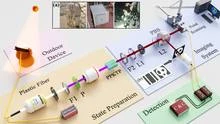
ضوء الشمس، الذي جُمع بعدسة فريسنل ومُرر عبر 20 متراً من الألياف البلاستيكية، كانت قدرته 3 ميكروواط فقط، أي أقل بمليون مرة من قدرة مؤشر ليزري نموذجي. كان ذلك كافياً لتوليد أزواج فوتونات مترابطة موضعياً داخل بلورة غير خطية. يمر فوتون واحد من الزوج عبر الجسم، بينما يُمسح الثاني بواسطة كاشف، والتوافقات ترسم الصورة. هكذا يعمل التصوير الكمومي.
الشمس هنا مضخة كمومية مجانية.