An Invisible Intruder Smashed Into the Milky Way: The Impact Scar Found in Stars ✛
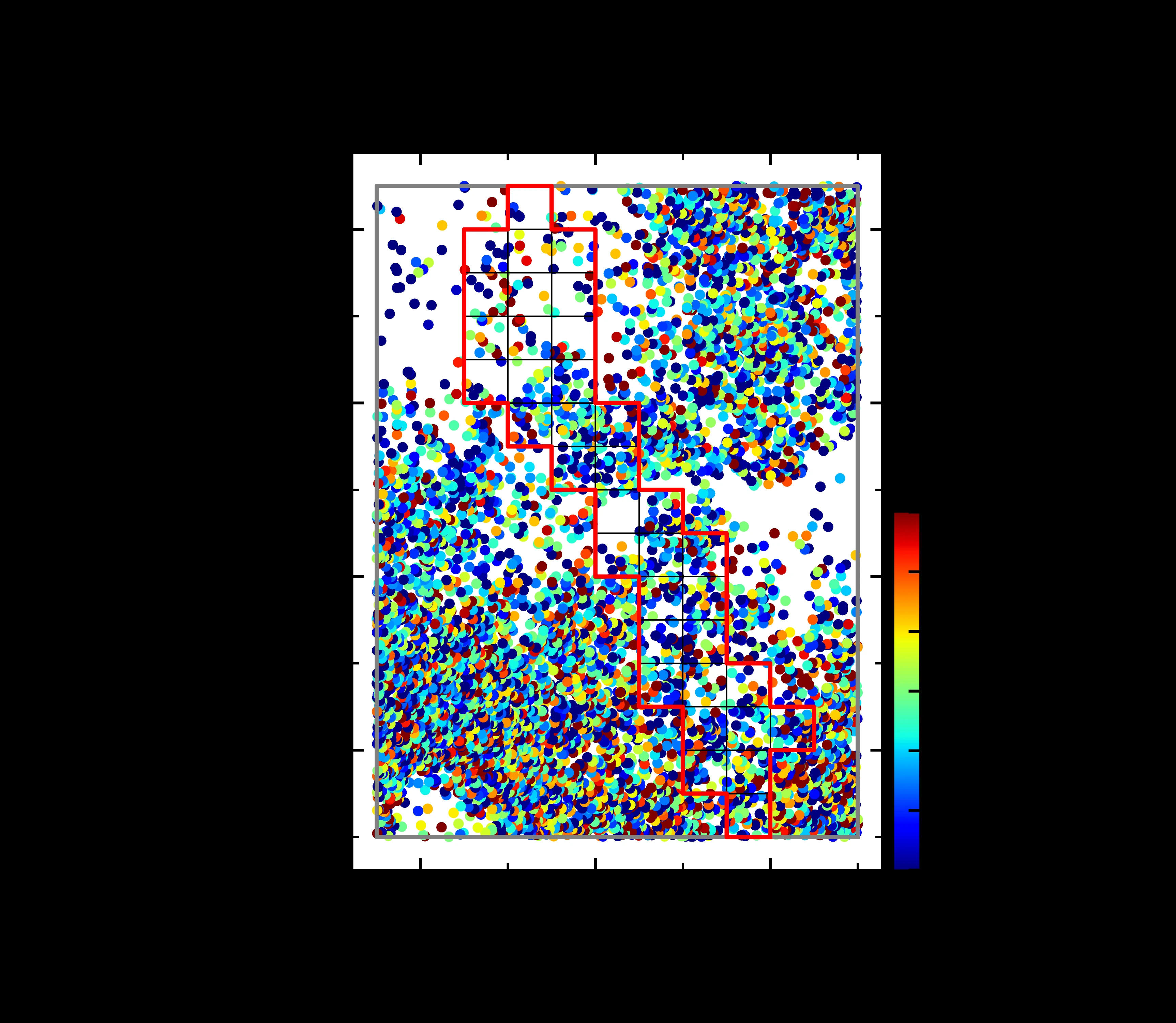
Astronomers have found a section in the disk of the Milky Way where stars suddenly shift speed — as if an invisible cannonball rolled through a wheat field, flattening the stalks. Nearby, spectroscopy (light-splitting) reveals clouds of hydrogen and other gases, crumpled into a bubble and a giant 'finger.' At the end of this trail, there's not a single star. The culprit? A dwarf galaxy almost entirely made of dark matter, invisible to the eye. The real kicker: the collision happened about 200 million years ago, yet the dent in the stellar disk is still visible — like a scar on the canvas of space. Back in the 20th century, Fritz Zwicky and Vera Rubin showed that without dark matter, galaxies would fly apart. Today's ΛCDM model predicts hundreds of such dark clumps around large galaxies, and this discovery offers a rare chance to test our ideas about the Universe's hidden mass.
If dark matter were visible, the night sky would be dotted with hundreds of tiny ghost galaxies circling the Milky Way.
'Dark galaxies' are like the ghost ships of science fiction — massive but invisible.