The Hydrogen Secret of Young Sub-Neptunes ✛
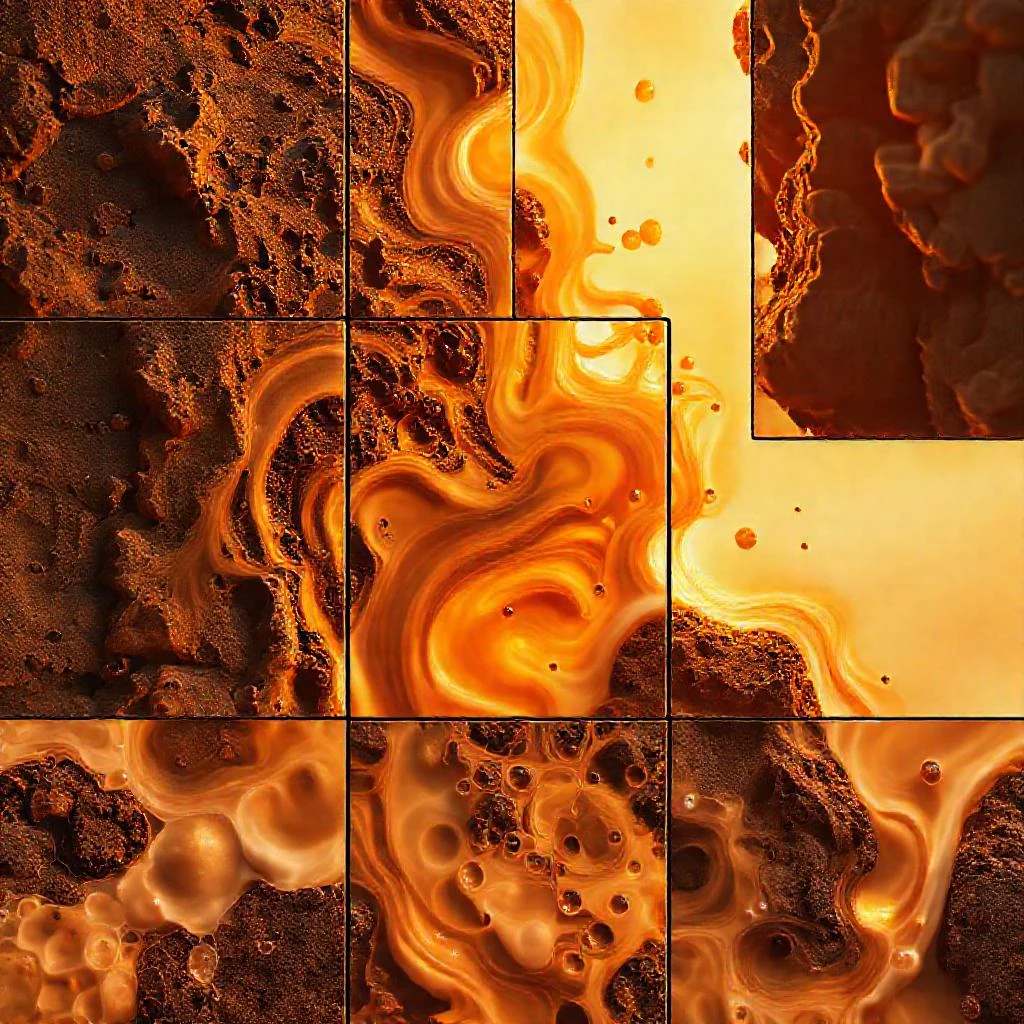
Previous models depicted sub-Neptunes as a rocky ball wrapped in hydrogen. But new research has shown: in the depths of young sub-Neptunes, due to colossal pressure and temperatures above 4000°C, hydrogen and molten rocky material mix into a single liquid, like cocoa in hot milk. Up to a third of the planet’s mass may be hidden in this ‘cocktail’.
As it cools, the mixture separates: hydrogen slowly ‘sweats out’ into the atmosphere, like bubbles in a cooling drink. This gas release slows down the planet’s contraction, making young sub-Neptunes look suspiciously puffy. Telescopes can catch this process through atmospheric features.
After a billion years, almost all the hydrogen will evaporate, and the planet will resemble an adult counterpart. But its interior forever holds traces of that hot youth — like a hidden snapshot beneath the crust.
Without this hydrogen cushion, young sub-Neptunes would look almost twice as small — their puffiness gives away a turbulent past.