Quantum Network Grabs Gravity by the Tail ✛
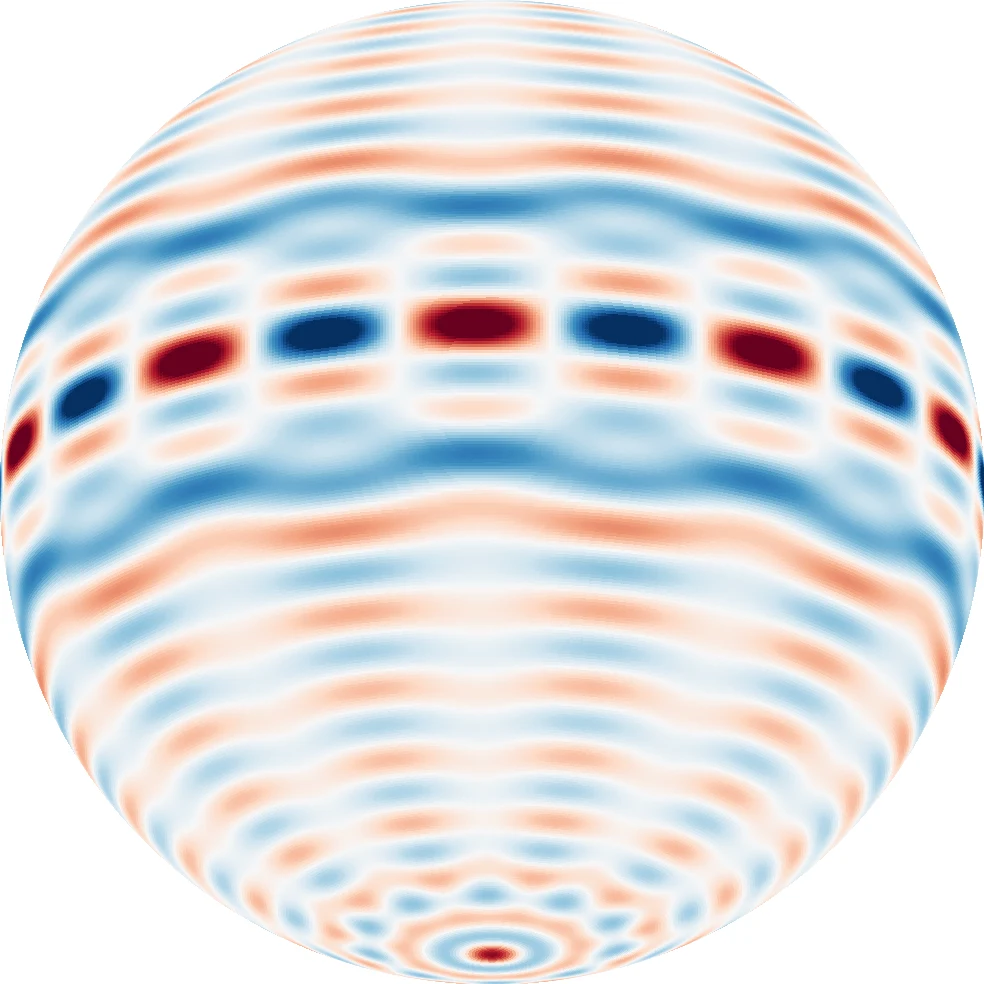
The quantum network is like a spiderweb: each atom is a knot, and entanglement ties them into a single fabric. The slightest gravitational shift makes the whole cloth tremble, and from the trembling pattern you can read the invisible influence. The atoms also double as ultraprecise clocks: they ‘tick’ by absorbing and emitting light at razor-sharp frequencies — the essence of spectroscopy. Einstein proved that time slows where spacetime curvature is stronger. So clocks higher up race a bit ahead of those below. The network catches this difference across microscopic height variations. Control is collective, no fiddling with single atoms. That flexibility is needed to test Roger Penrose’s ideas about quantum gravity.
Raise an atomic clock by a single centimeter, and it’ll speed up by a billionth of a percent. That’s gravity stealing time down below.
A sci-fi nod: in Liu Cixin’s novel ‘The Remembrance of Earth’s Past’, quantum entanglement enables instant communication — a similar principle powers this network.