Supersolidity Is Born at the Liquid Boundary express
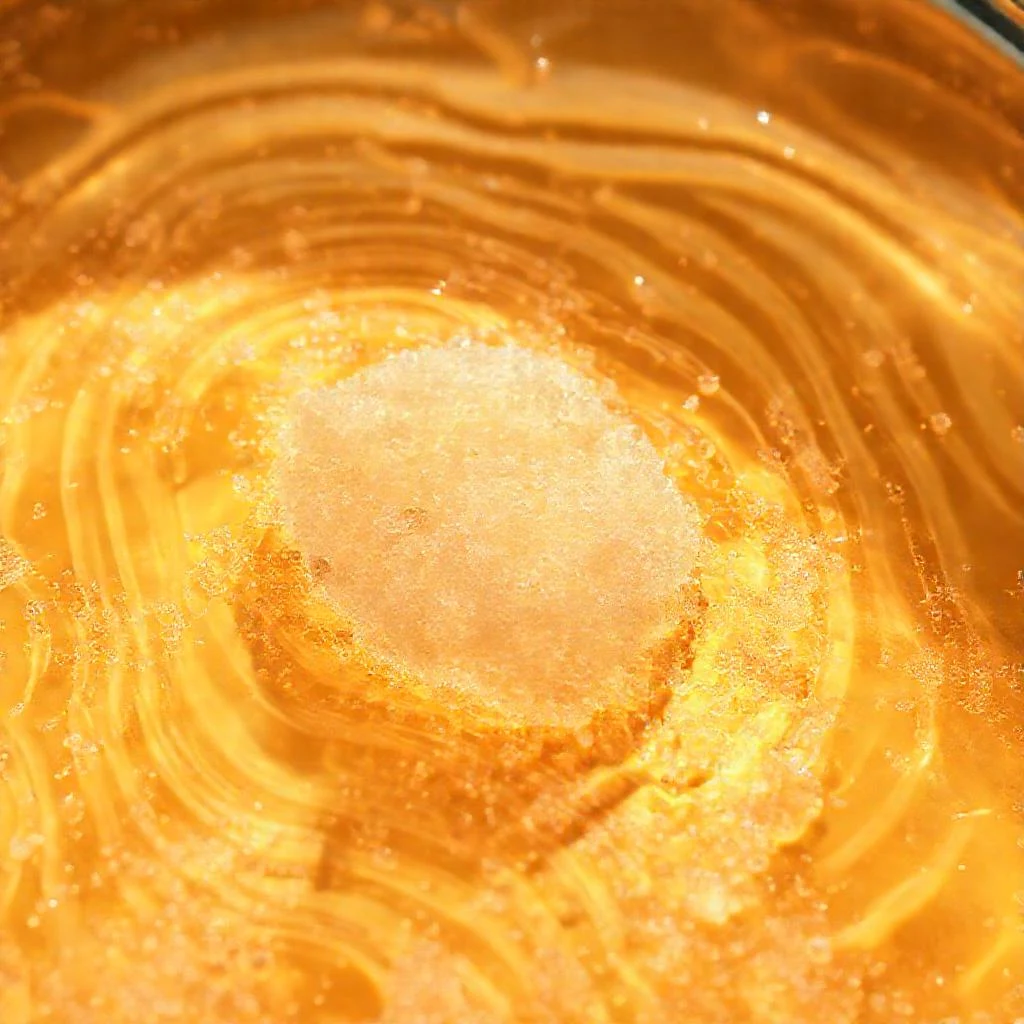
A supersolid is ice that flows. Think of a pond with a frozen crust, but beneath it, a liquid depth without friction. Usually, creating that crust means changing the liquid's properties throughout its entire volume. A team of researchers studying liquid helium found a simpler way: they made the surface vibrate with special waves, and the liquid grew its own solid 'skin.'
Those vibrations weren't just ordinary ripples: they were quantum whirlpools called rotons, whose nature was uncovered by Feynman. By coupling with the motion, they order the atoms at the boundary into a crystal. In Bose–Einstein condensates, a similar effect occurs when the wavelength matches the trap size. The result is a material whose surface holds its shape while the inside flows freely. It’s possible that similar processes harden the crust of neutron stars.
The idea of supersolidity is over half a century old, but it wasn’t until 2017 that it was realized by trapping ultracold atoms in a laser cage.