Galaxies on the Scale express
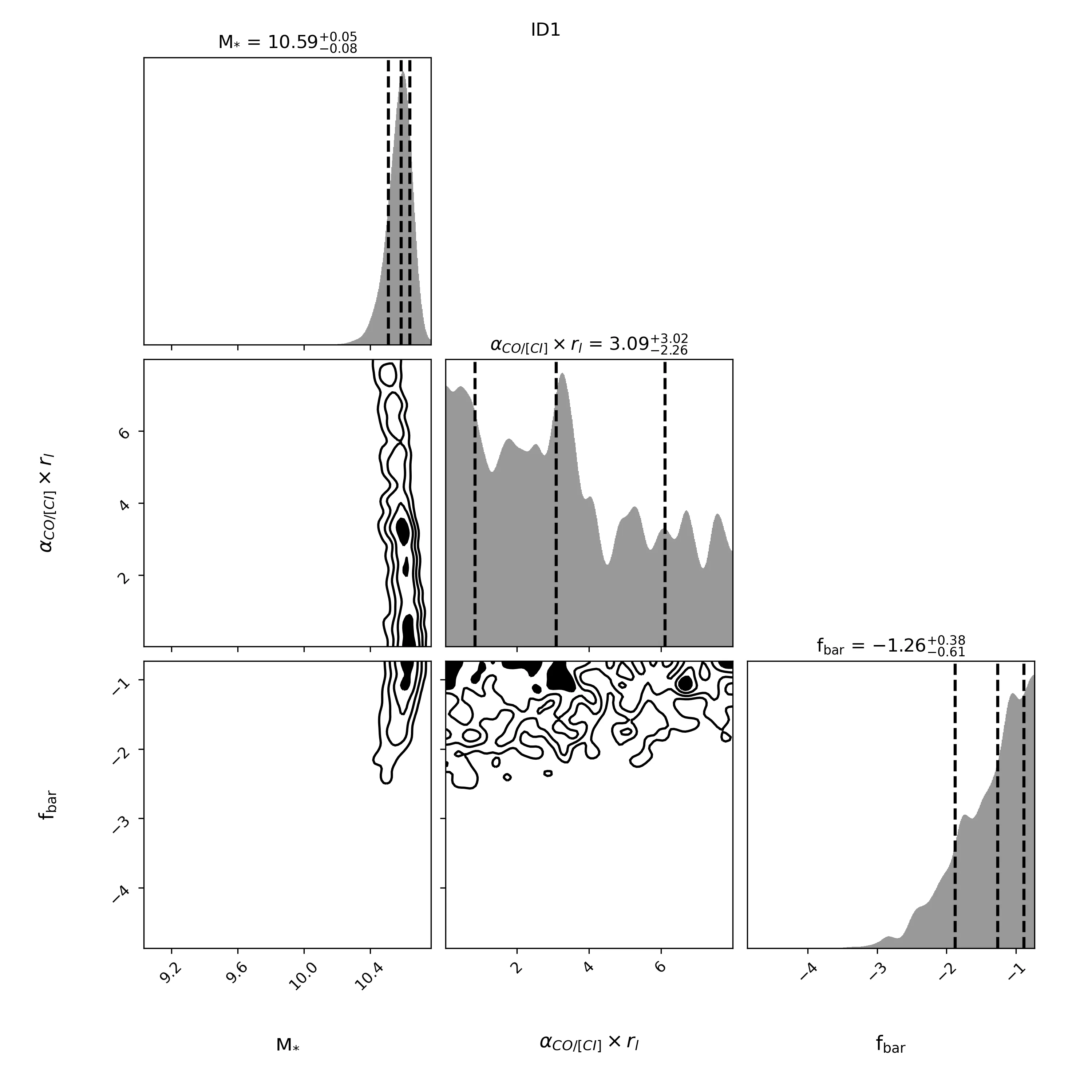
Three distant galaxies spin like giant carousels. Their stars and gas move along spiral arms, and from the speed of this motion you can calculate how much total matter the galaxy contains — visible and invisible.
Astronomers combined two views: radio telescopes revealed cold gas, while the James Webb Space Telescope showed the stars. This allowed them to precisely measure how these three galaxies rotate. The outer parts spin as expected. But right at the center, the speed turned out to be higher than calculated. As if the carousel were spinning faster near its axis than it should be for its mass.
It is not yet clear which explanation is correct. But the very fact that we can peer into the center of a galaxy billions of light-years away and notice such a 'shortfall' in our calculations is a step toward understanding how the invisible part of the Universe is structured.
The James Webb Space Telescope sees in infrared light, so dust that hides the galactic center from ordinary telescopes does not bother it.