Lava Oceans on Exoplanets: Tidal Heating and Stone Waves express
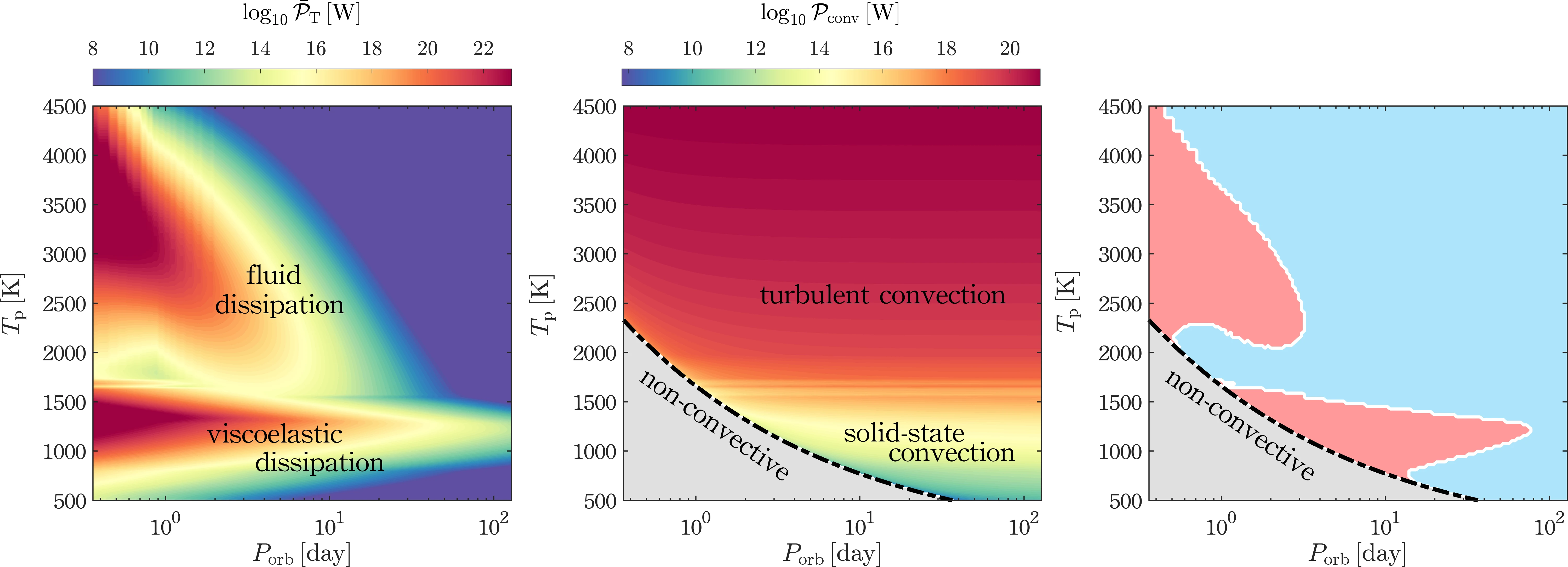
An exoplanet — a planet outside our solar system — follows a slightly elongated orbit. With each revolution, it swings closer to its parent star and then farther away. The star's varying gravitational pull causes tidal heating: the planet's interior is squeezed and stretched, releasing heat that melts solid rock into a global ocean of lava.
On the night side, facing away from the star, lava cools and forms a solid crust — akin to a shoreline. Tidal waves, driven by the star's gravity, roll onto this shore, collide with one another, and create wandering hot spots — regions where fresh, hot lava reaches the surface. As a result, the planet's glow, as detected by photometric methods, flickers unpredictably like a candle flame. These waves can reach several kilometers in height: they are not water waves but stone ridges, slowly creeping across the scorching lava plain.
The temperature of these lava oceans exceeds that of a blast furnace: about 3000 degrees Celsius.
Lava worlds like Mustafar from Star Wars turn out to be even more turbulent than fiction suggests, thanks to tides.