Quantum Microscope Sees What Ordinary Light Can't express
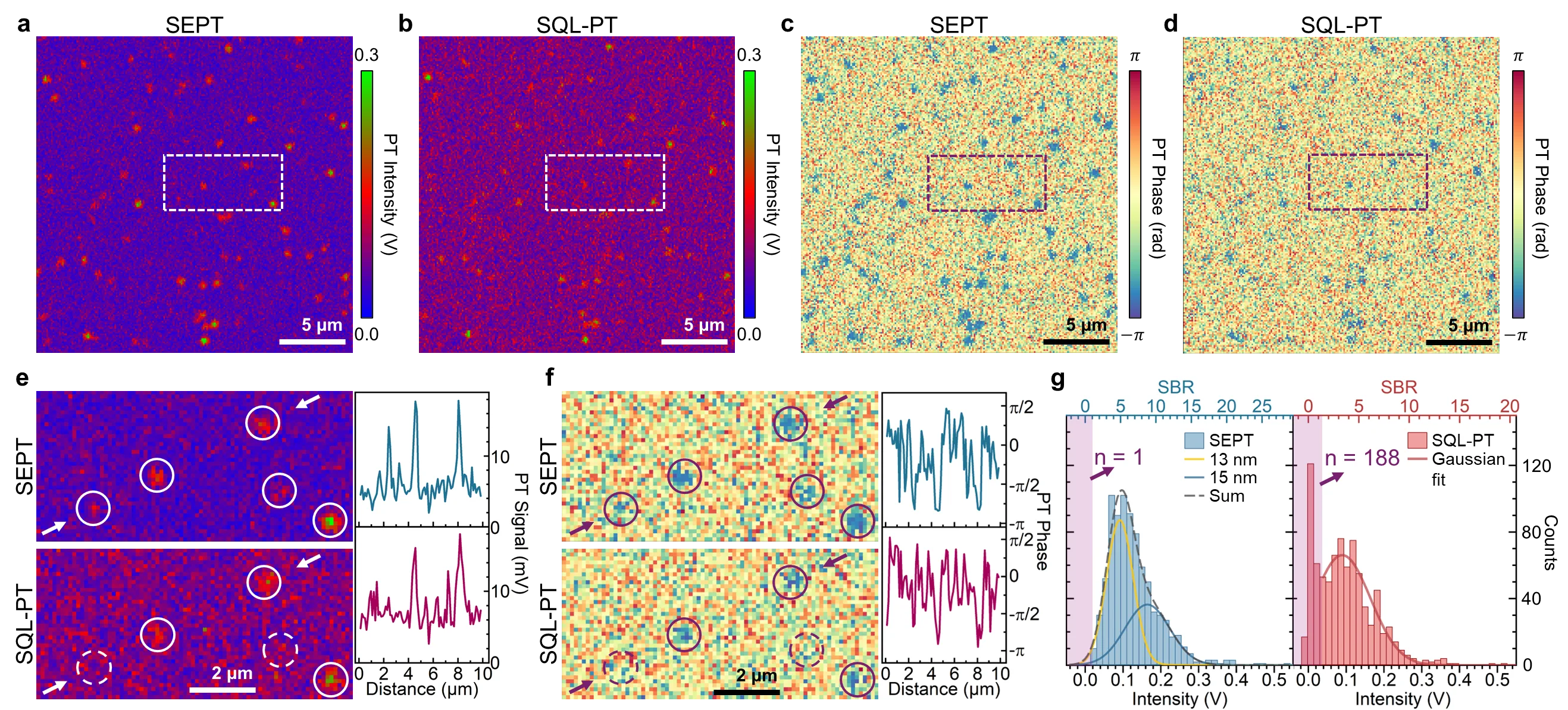
Light in a microscope doesn't arrive as a steady stream but like buckshot from a bag: sometimes more photons, sometimes fewer. This random scatter is the shot noise. It sets a limit: faint signals from tiny objects get lost in the ripple.
Scientists have found a way to calm this buckshot. They take two beams of light that were born together and are linked so that their fluctuations cancel each other out. One beam passes through the sample, the other stays clean. By comparing them, you can subtract the noise and keep only the useful signal. It's like noise-canceling headphones: a quiet melody is audible even in a noisy hall.
The new microscope has already spotted the substance cytochrome c inside cells, which ordinary light didn't reveal. Now biologists can watch living processes without dyes, and materials scientists can check nanoparticles more precisely.
Shot noise is like the sound of rain on a roof: drops fall unevenly, and in a weak signal, that unevenness is most noticeable.